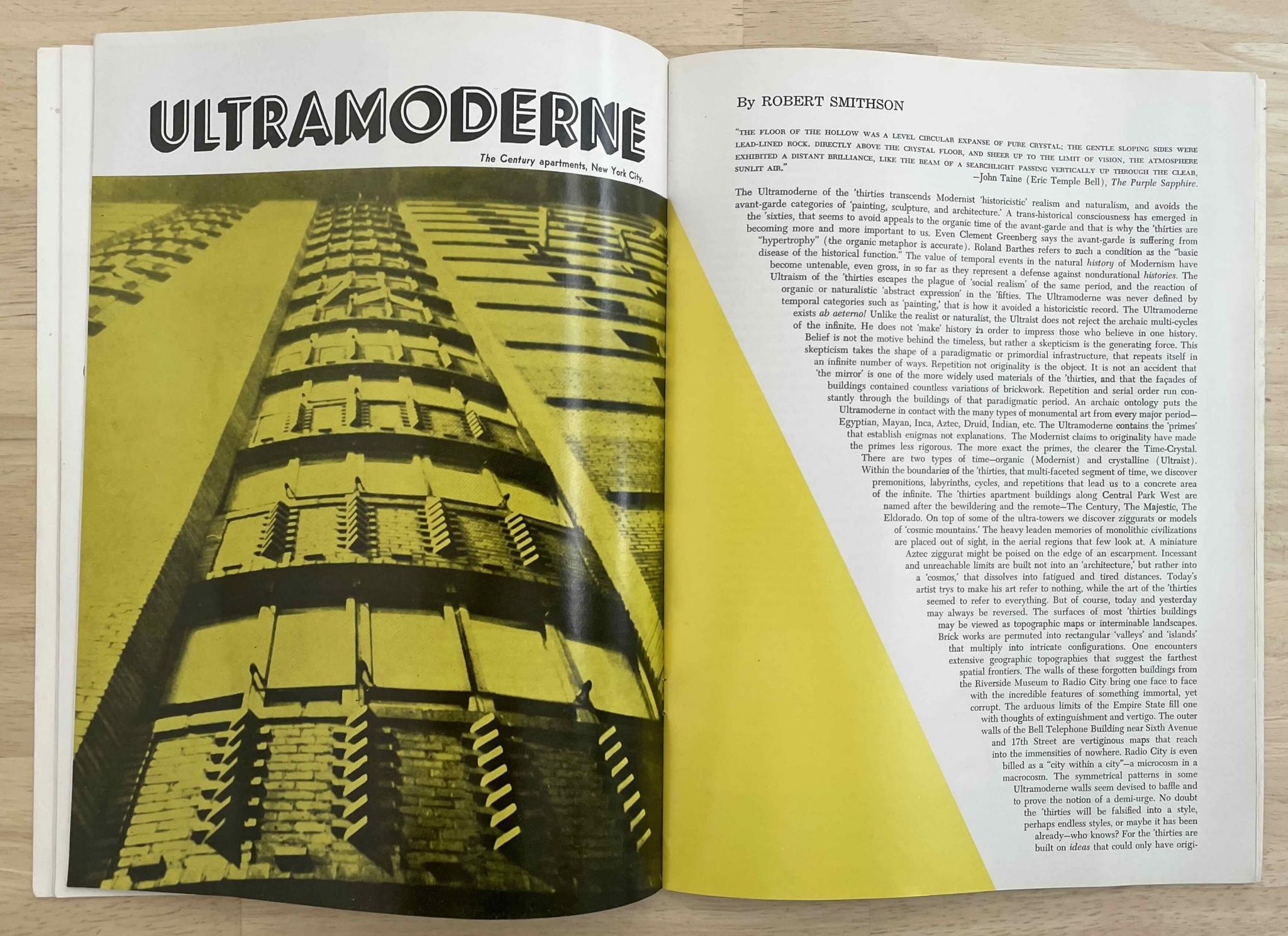
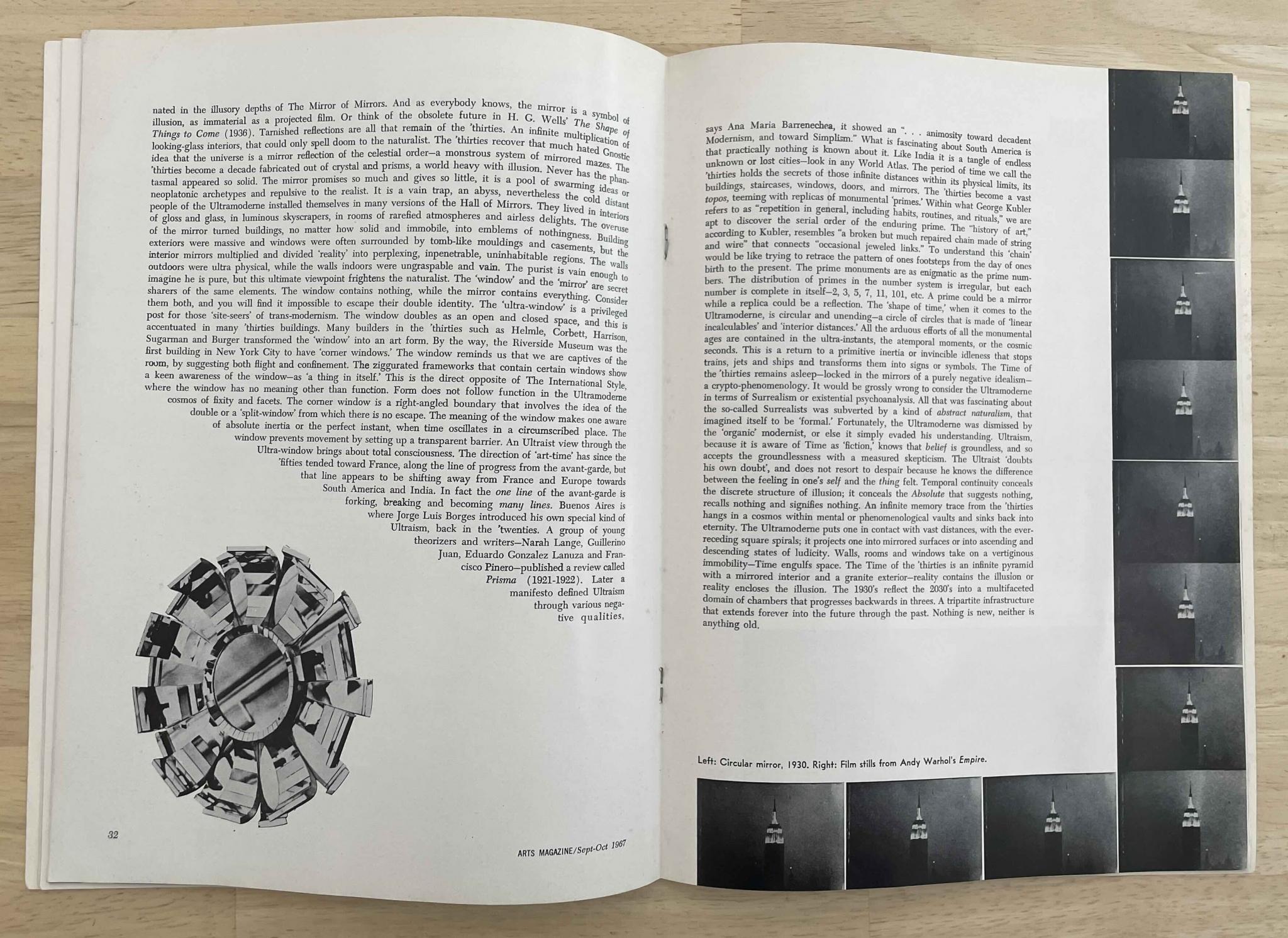
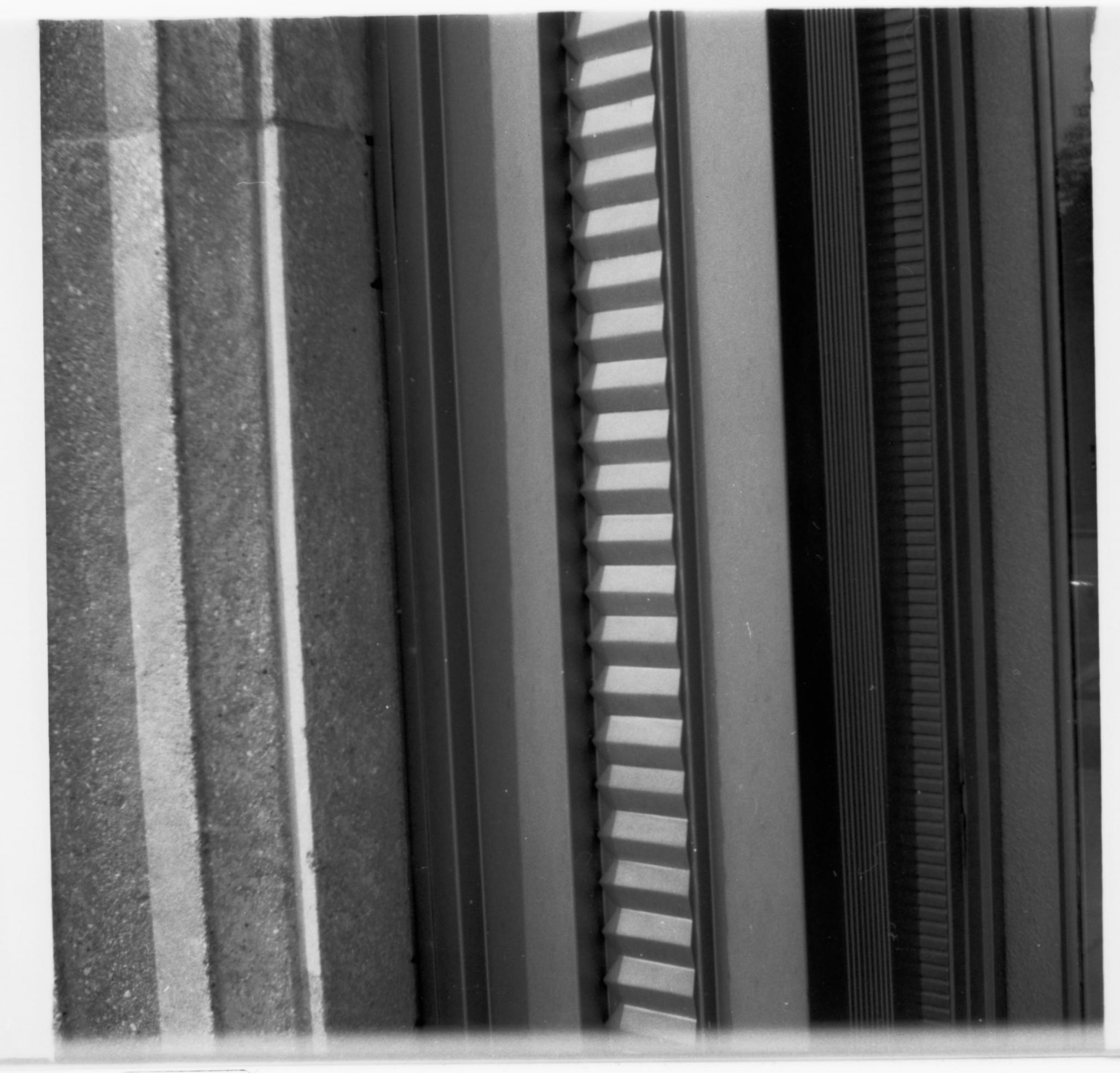
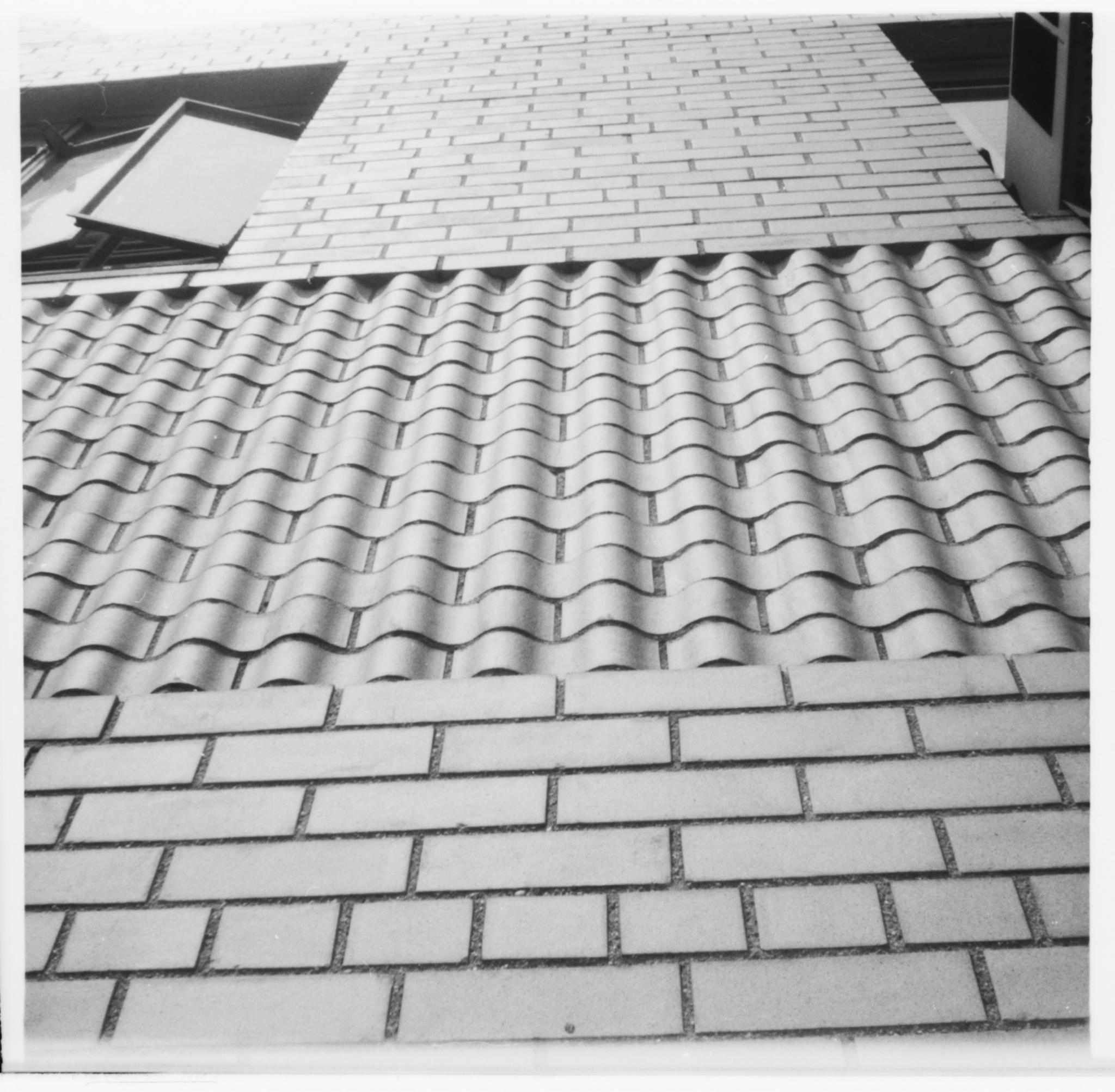
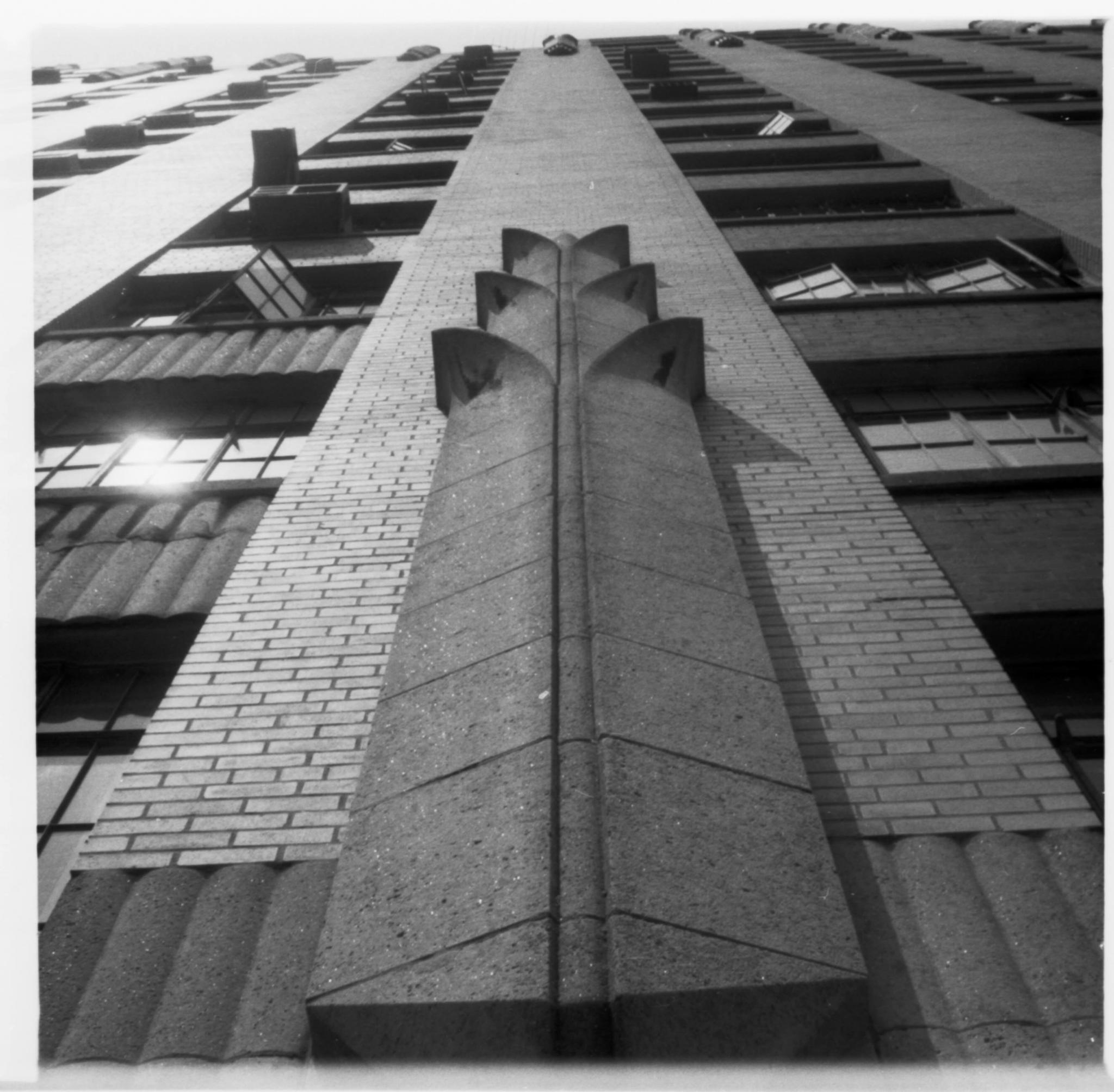
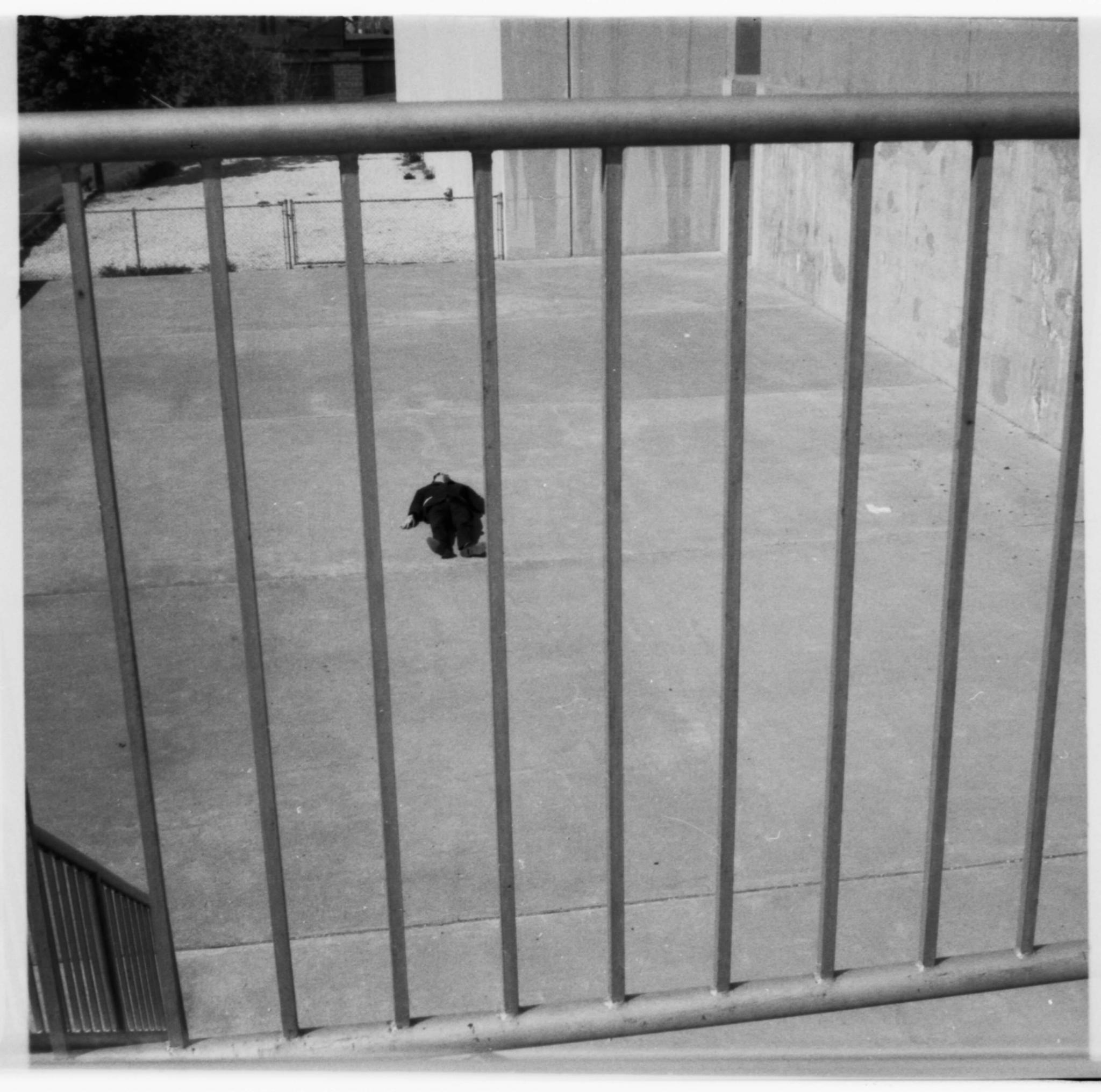
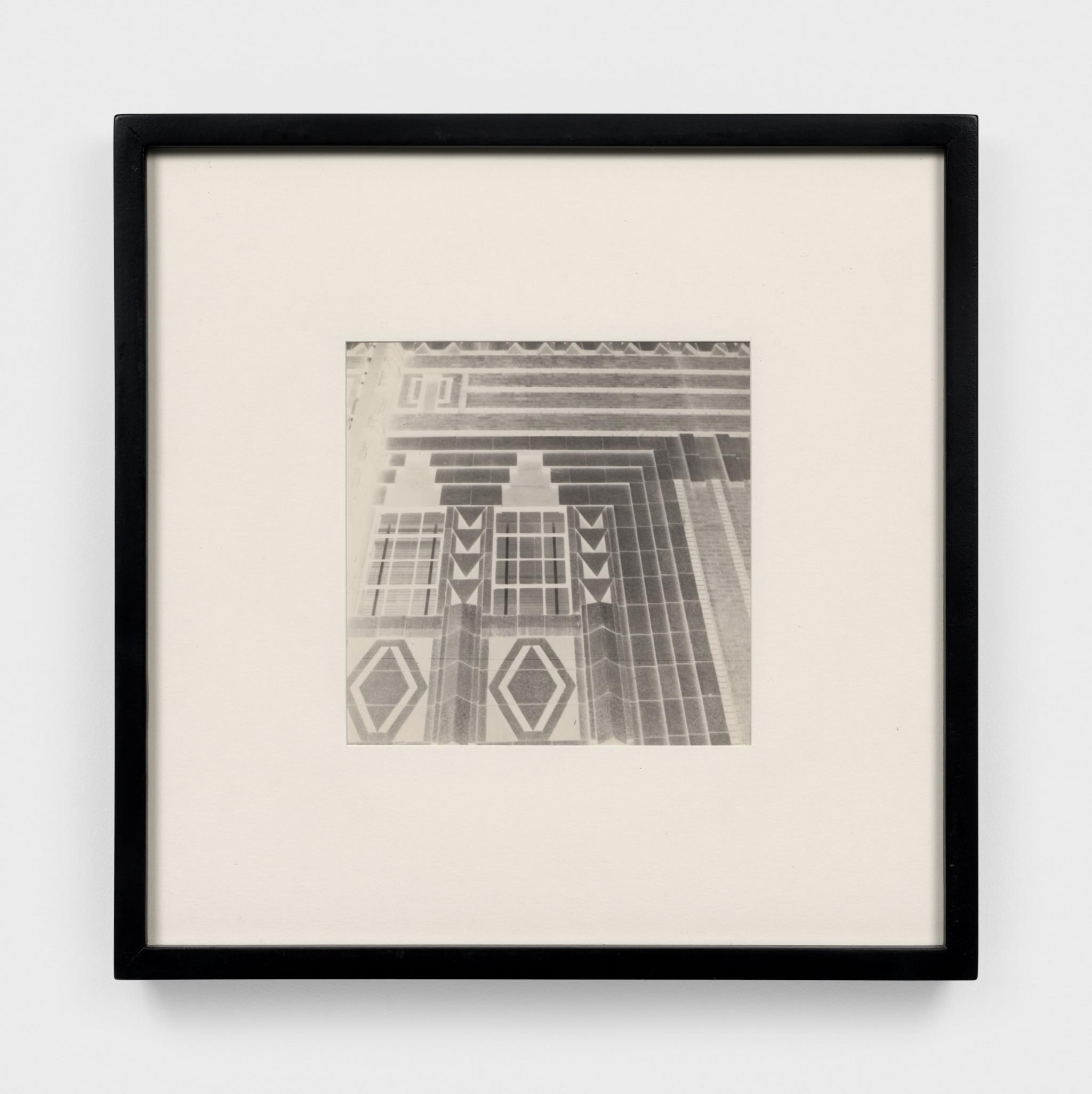
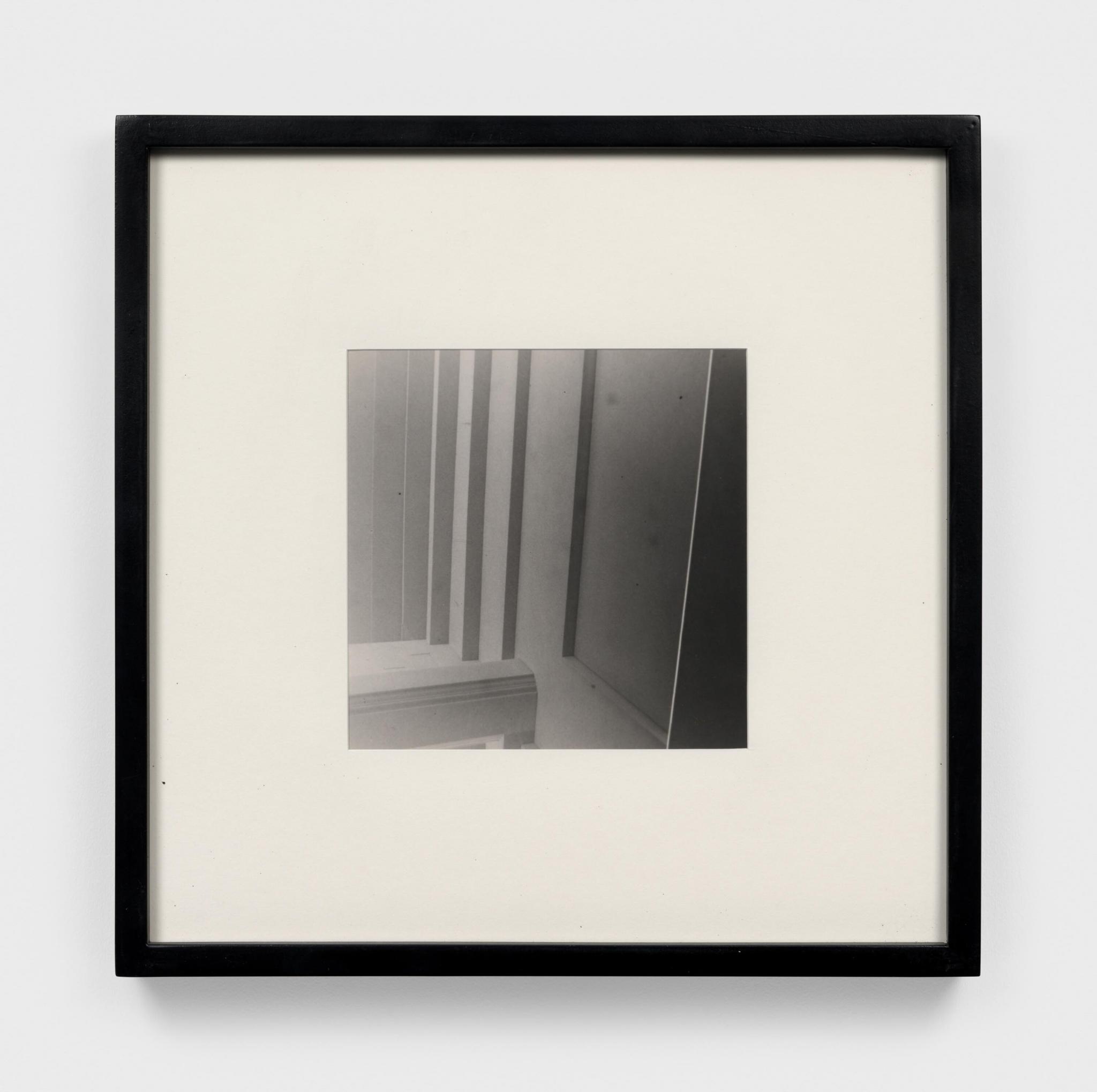
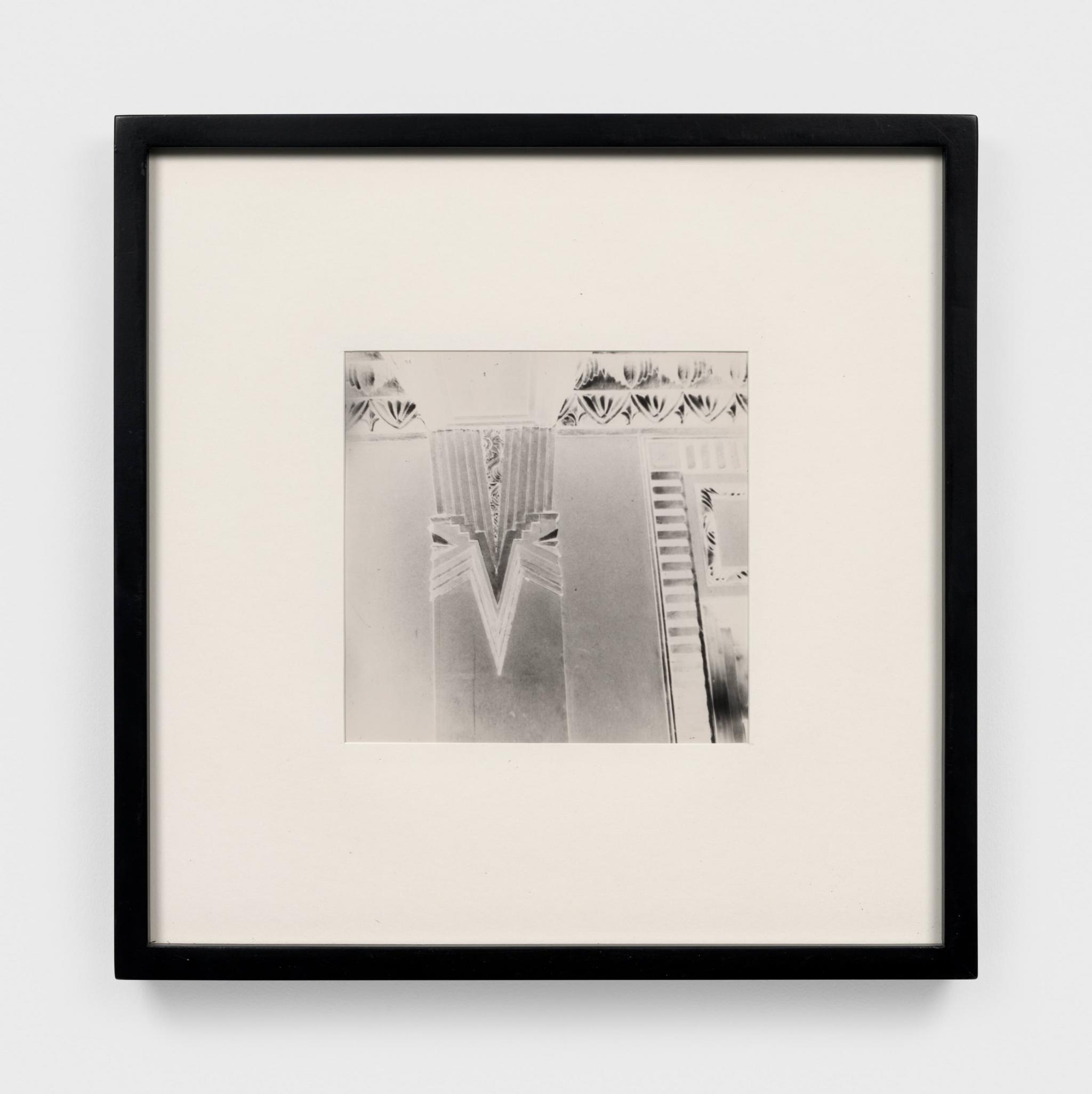
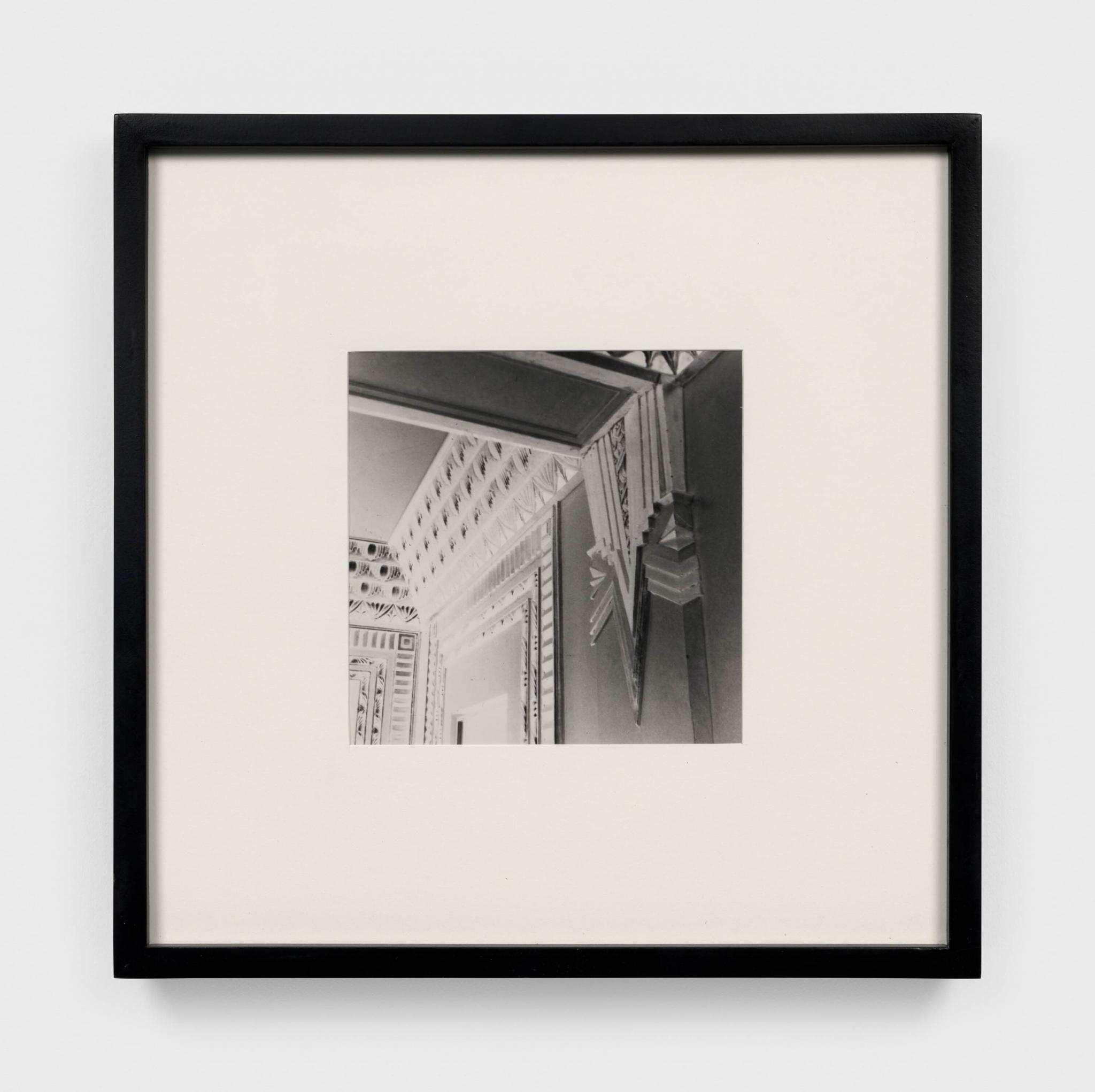
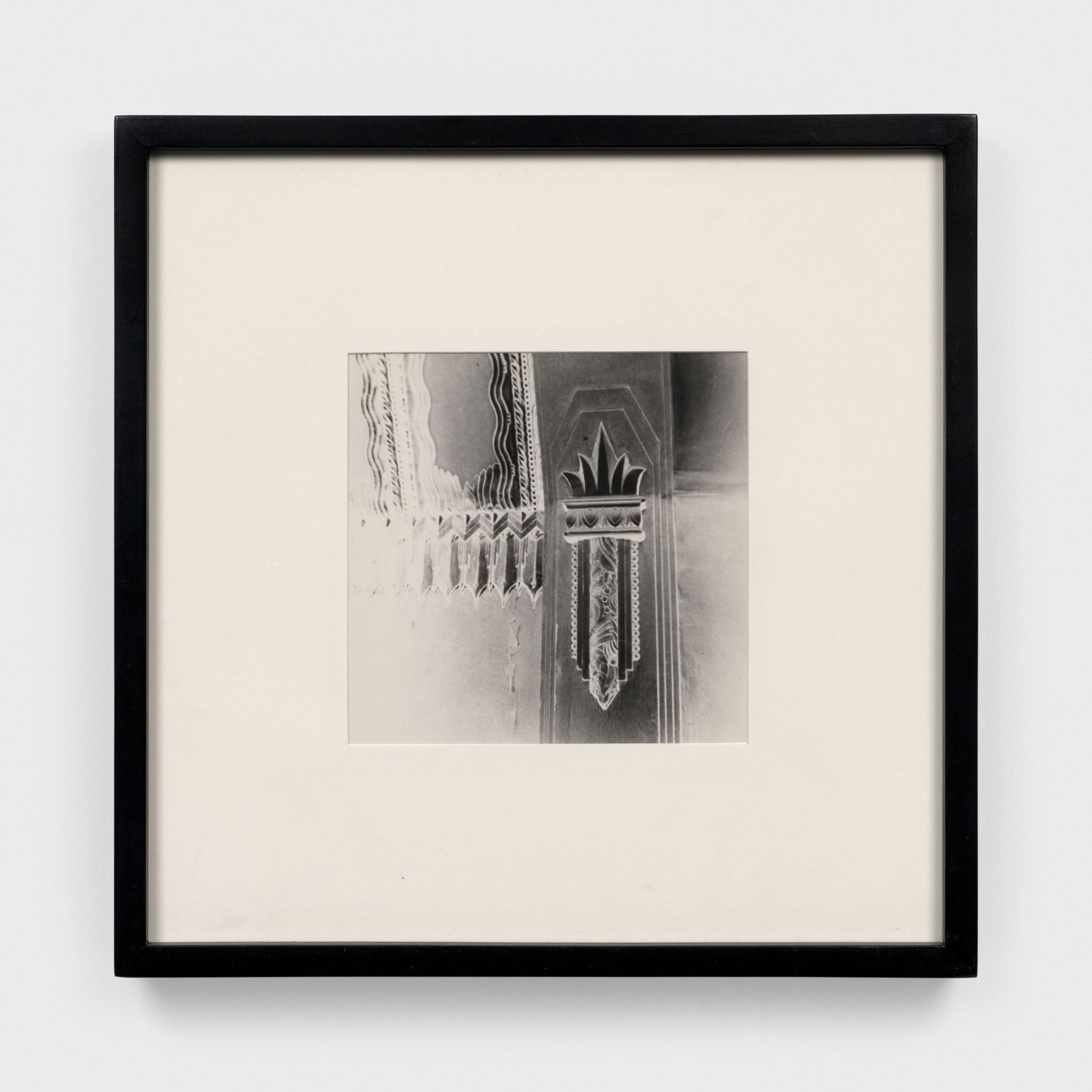
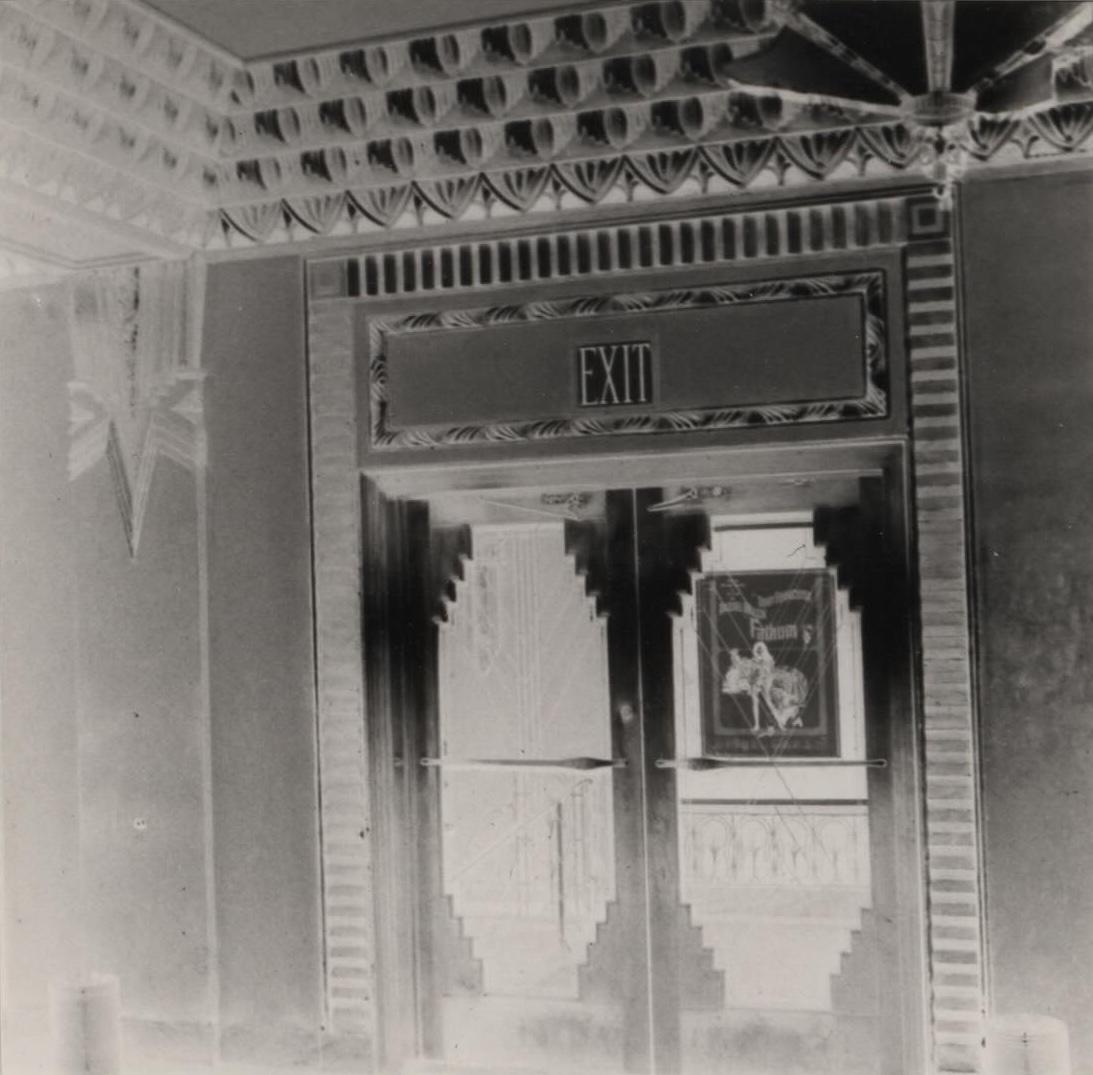
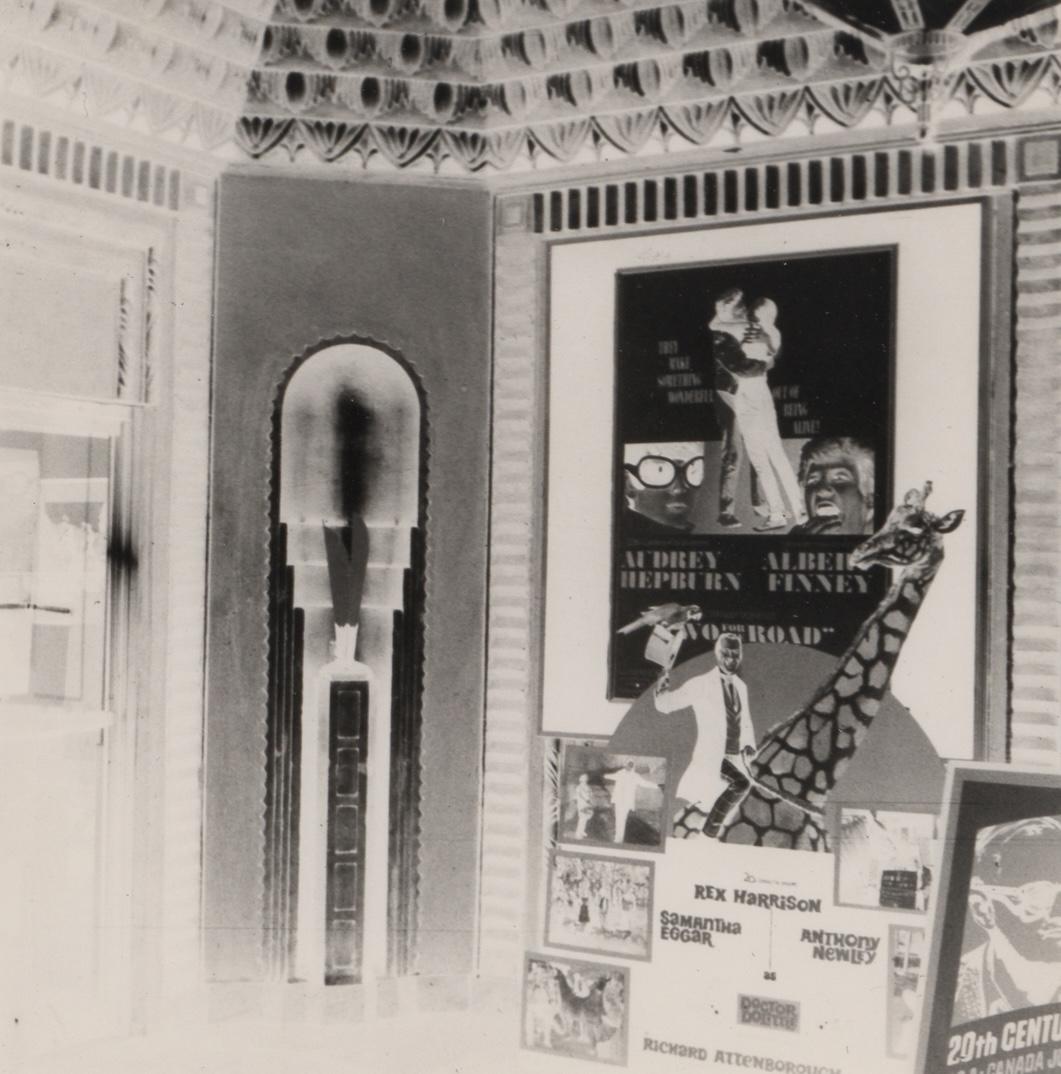
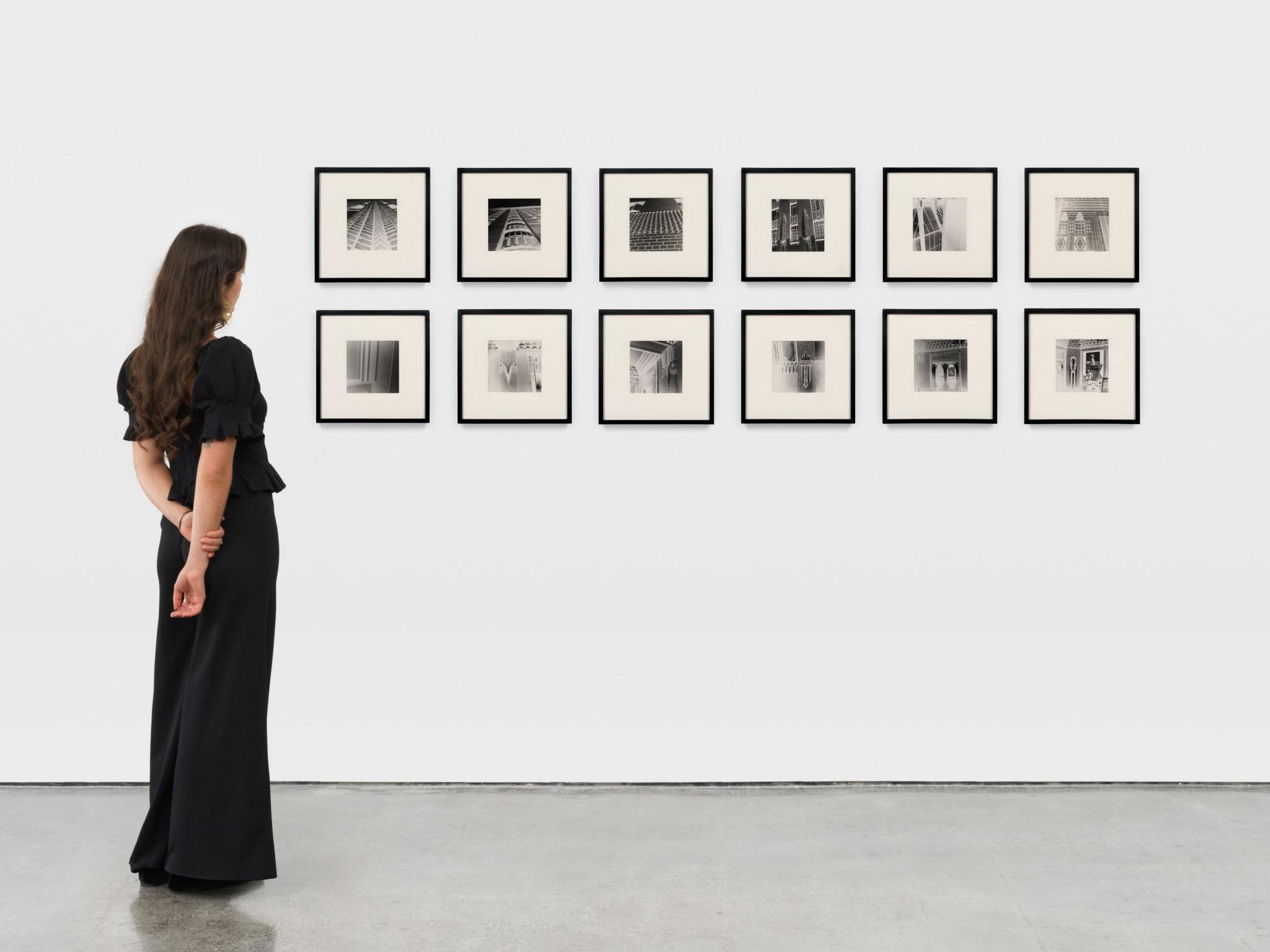
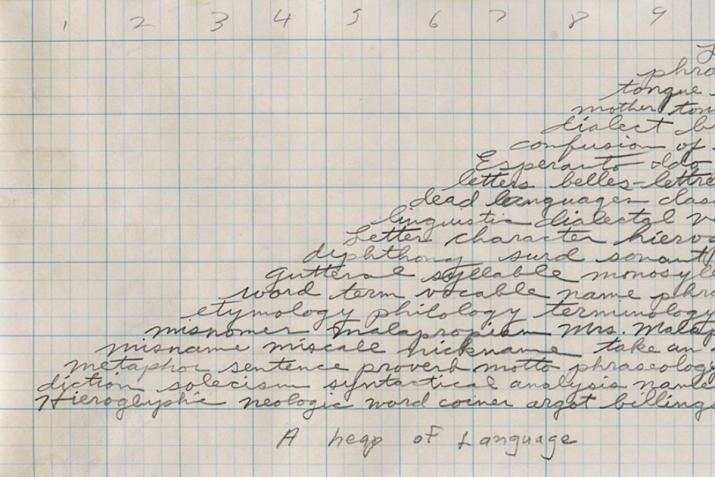
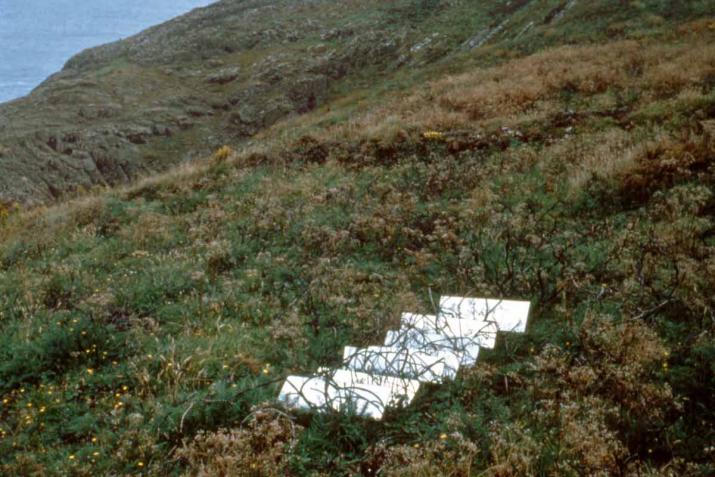
Four-page magazine spread: “Ultramoderne,” Arts Magazine, September/October 1967; 12 negative photostat prints, each 8 × 8 in. (20.3 × 20.3 cm); series of Instamatic photographs, each 3½ × 3½ in. (8.9 × 8.9 cm)
Collection Holt/Smithson Foundation
© Holt/Smithson Foundation / Licensed by Artists Rights Society, New York
Writing was central to Robert Smithson’s artistic practice, and he created several works that exist both as magazine articles and as unique photographic series.
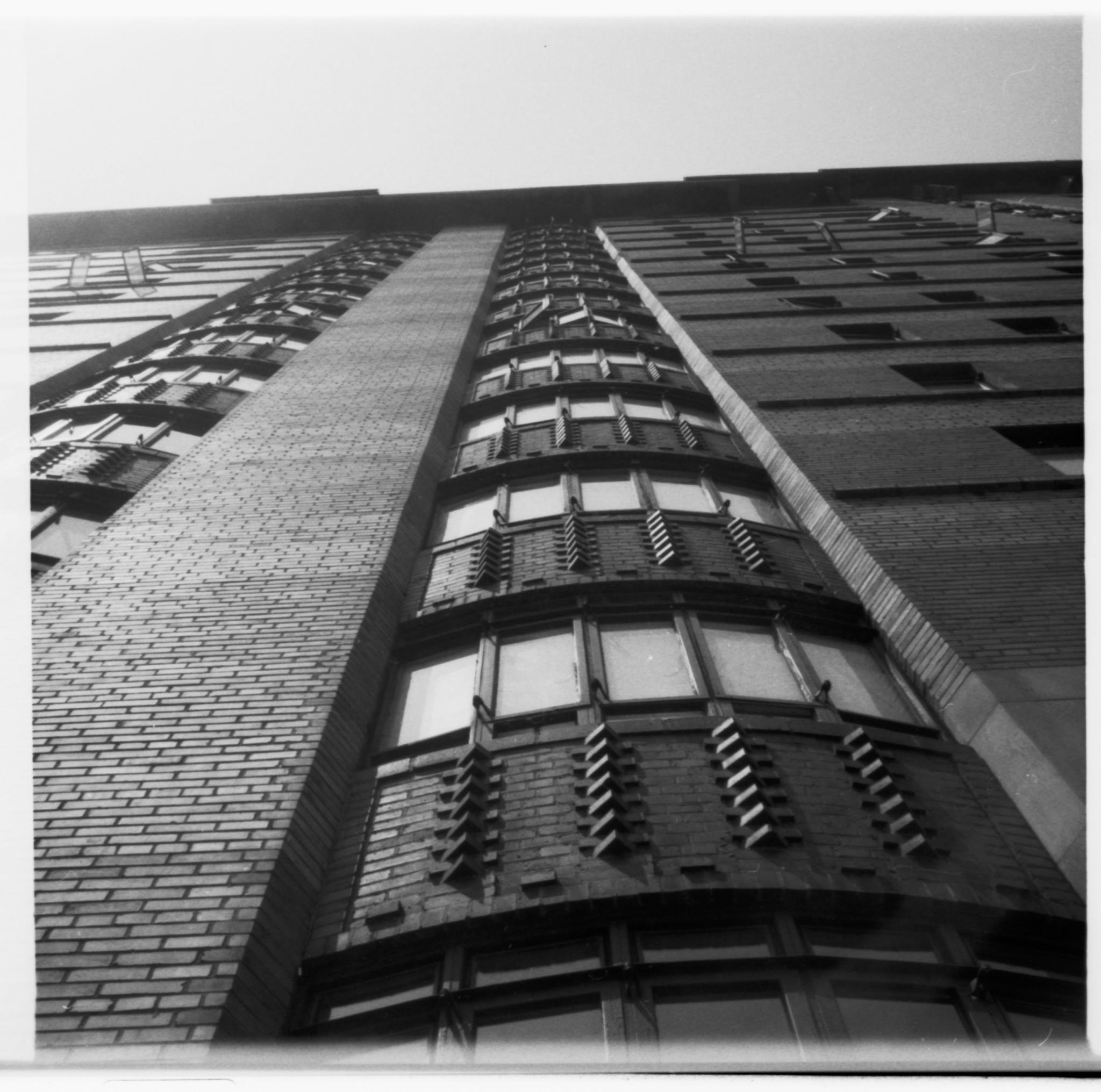
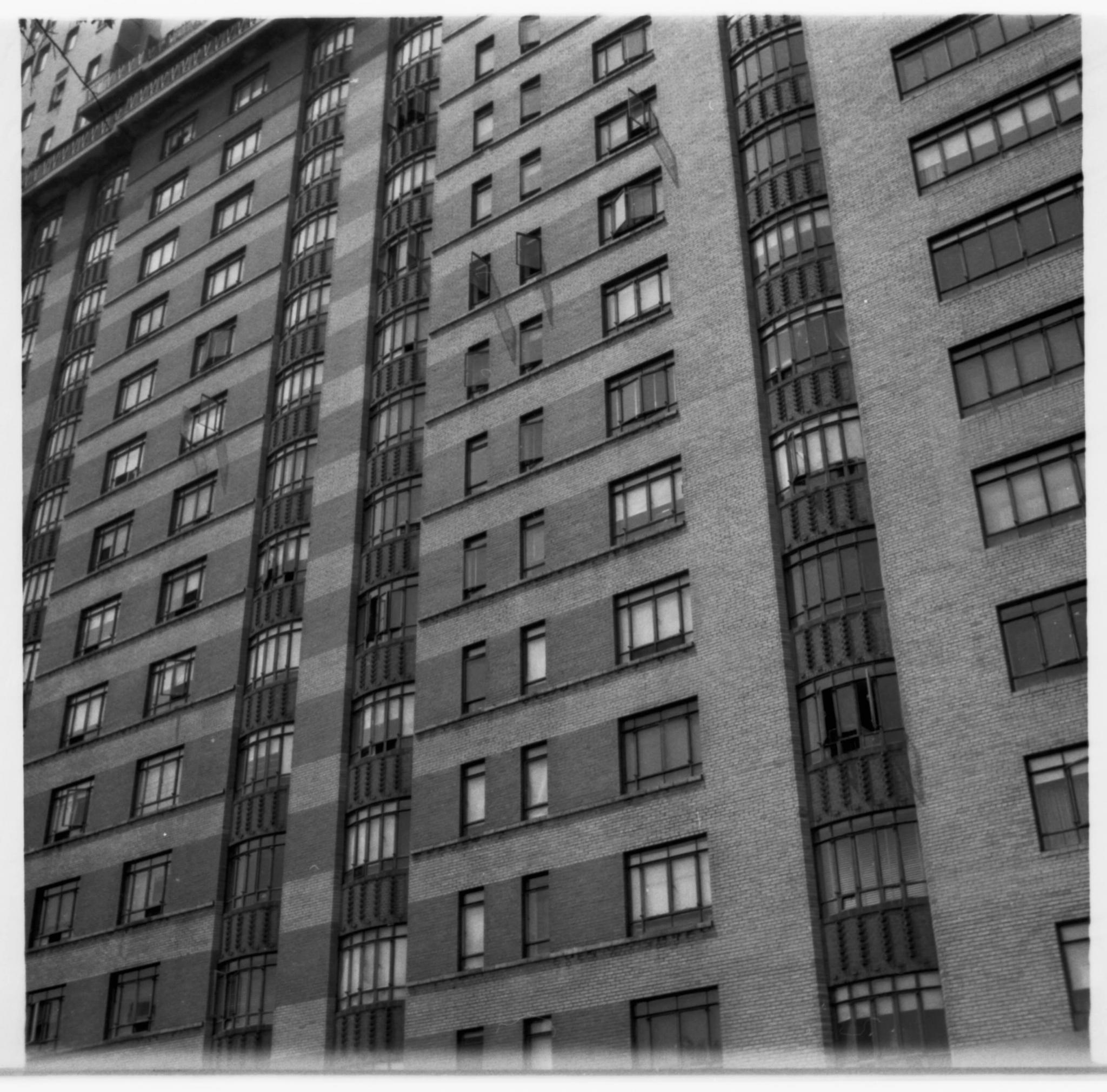
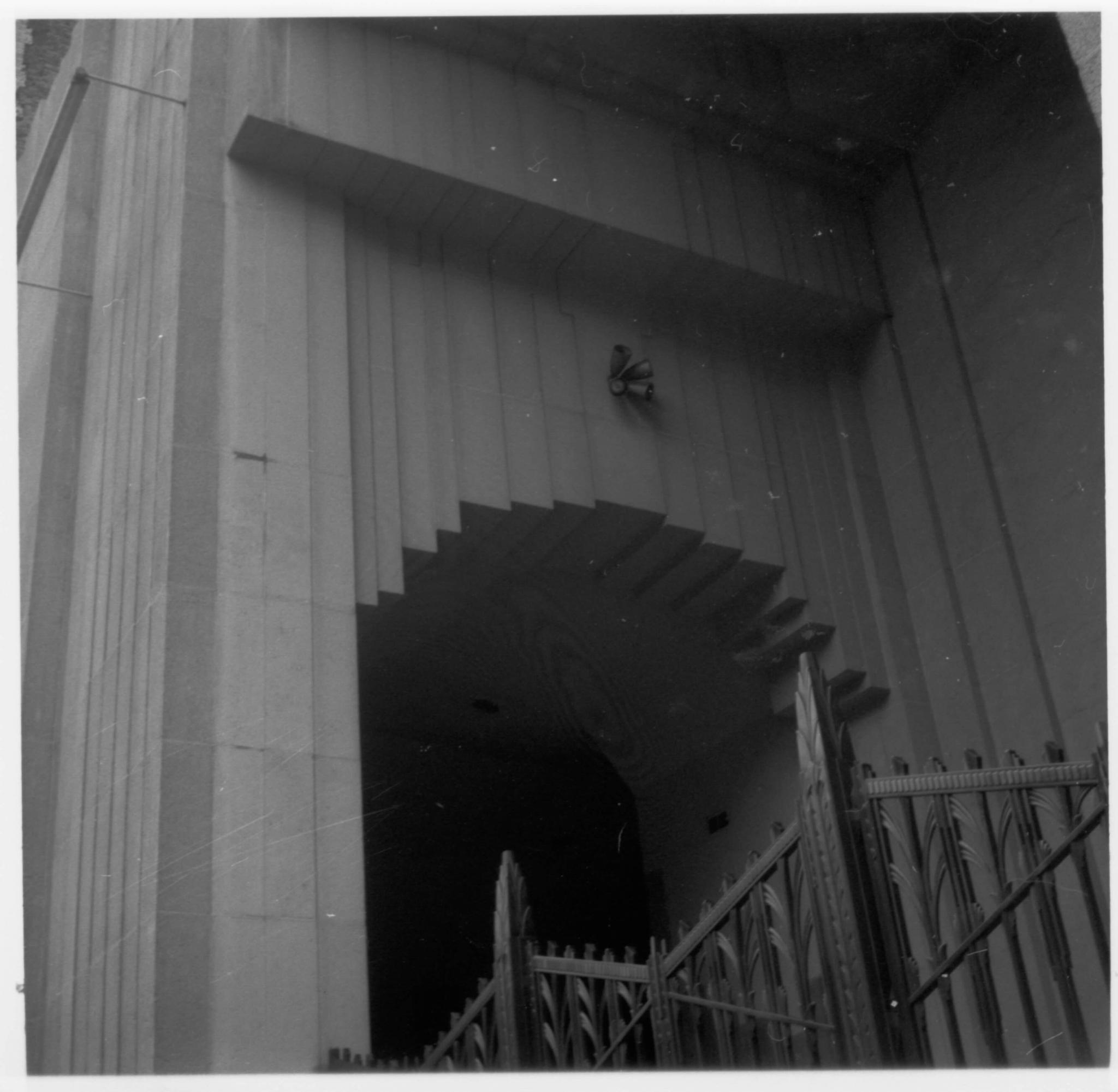
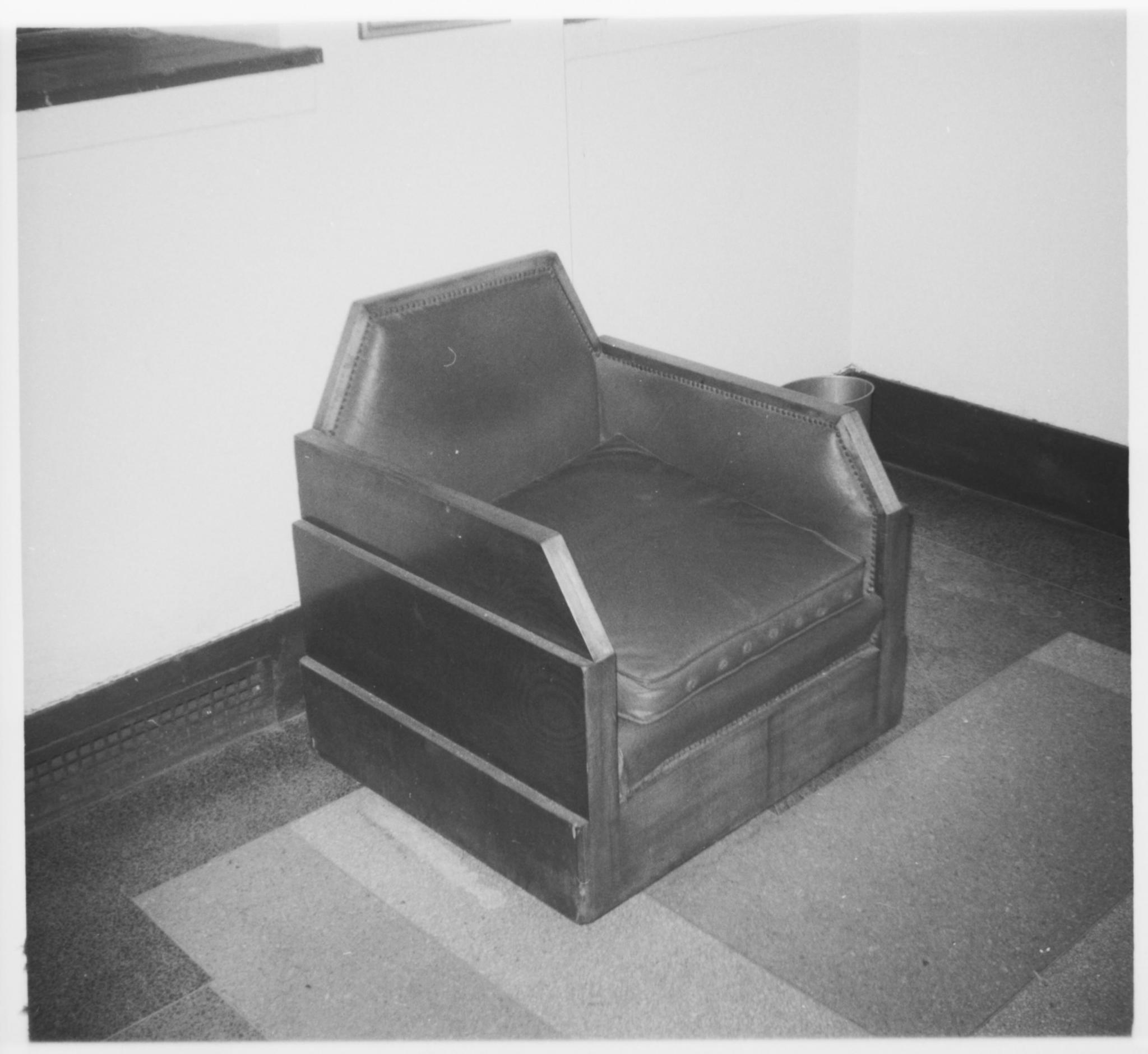
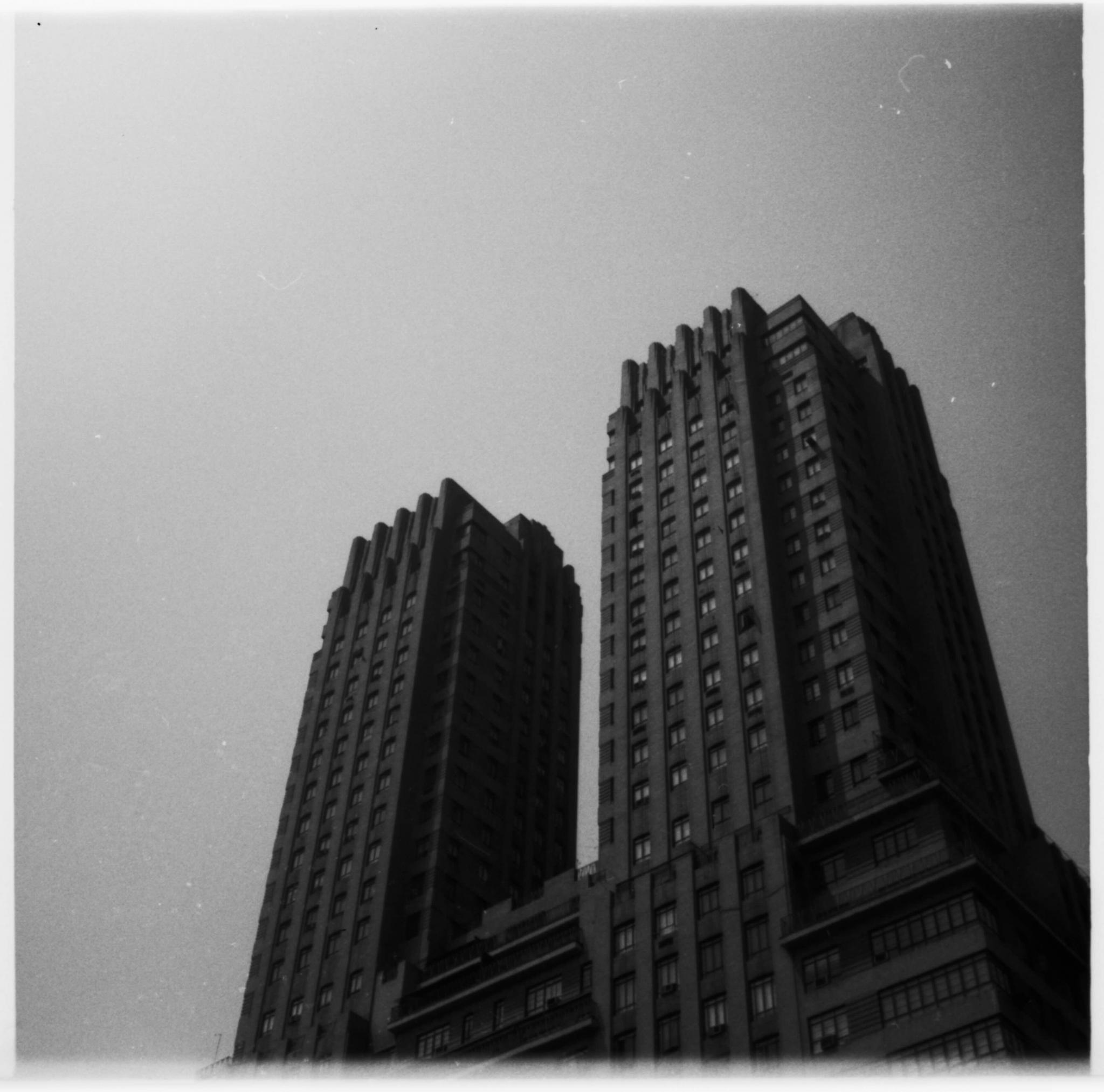
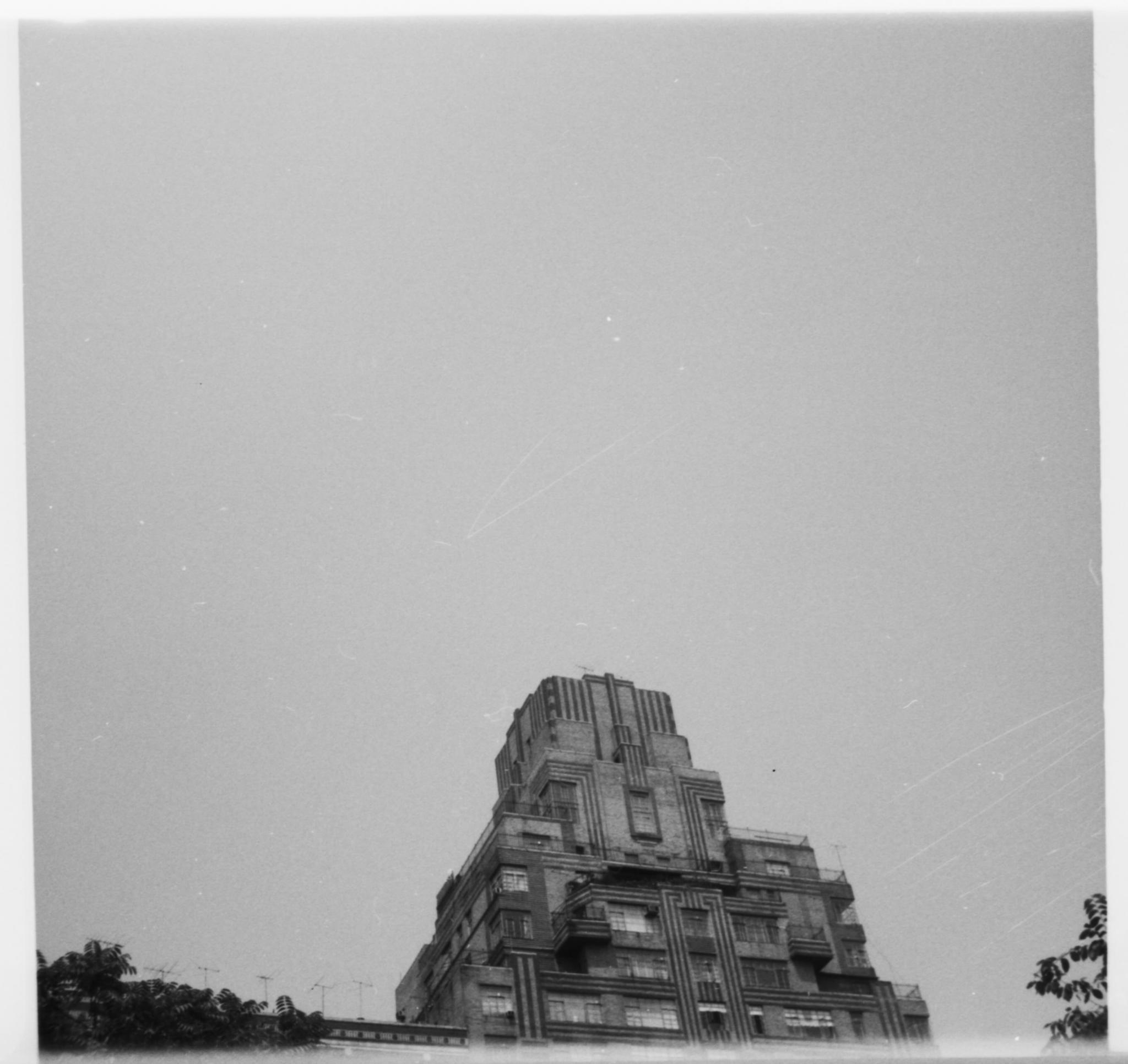
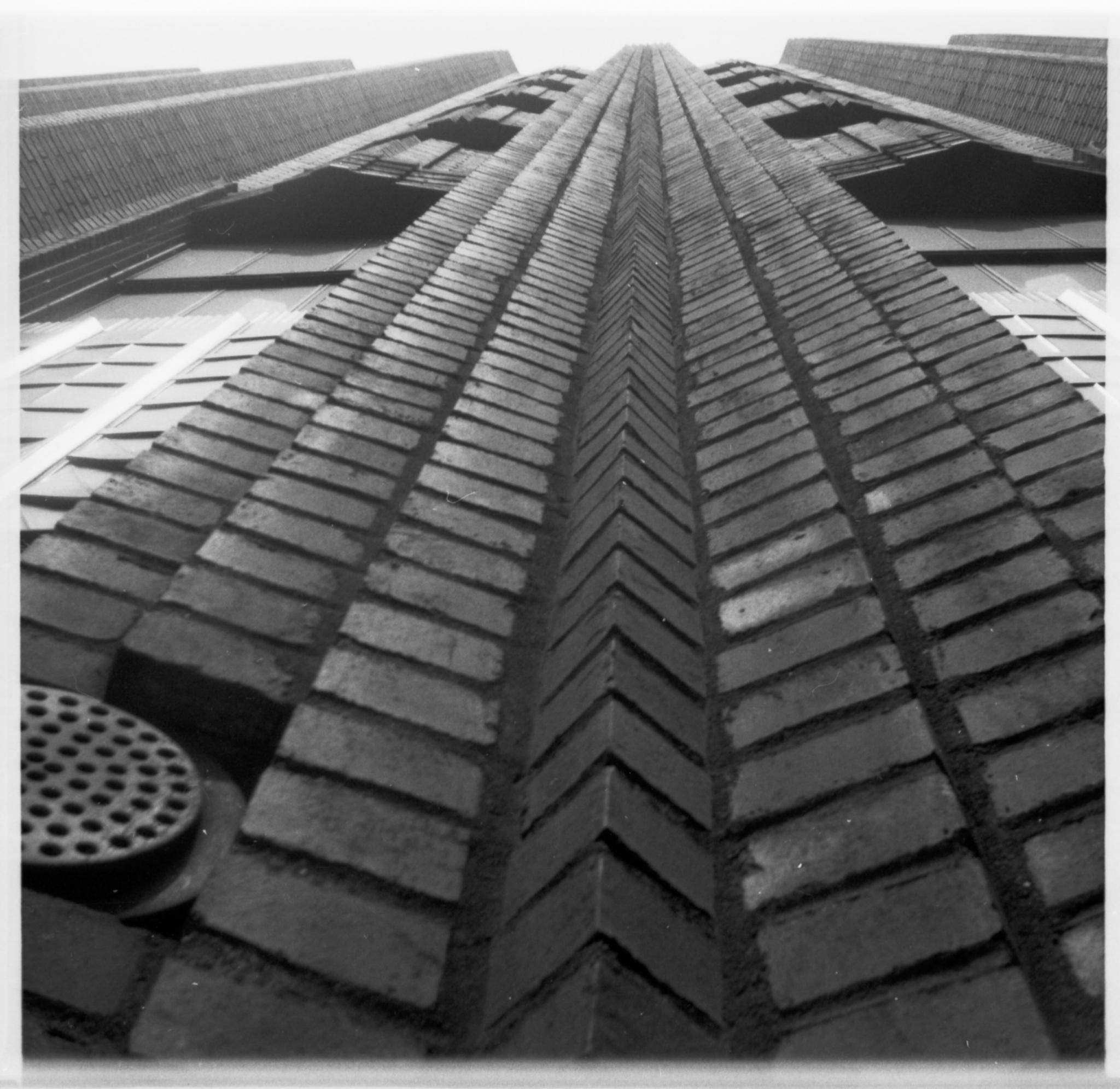
Ultramoderne looks to the architecture of the 1930s, particularly the apartment buildings along Central Park West in New York City, to consider a period caught between past and future. The four-page article was published in the September / October 1967 issue of Arts Magazine. Moving through buildings, windows, mirrors, interiors, and architectural details, Smithson describes a world in which solid structures become unstable through reflection, repetition, and illusion. For Smithson, the 1930s disrupt a straightforward idea of historical progress: past and future fold into one another until, as he concludes in the essay, “Nothing is new, neither is anything old.”
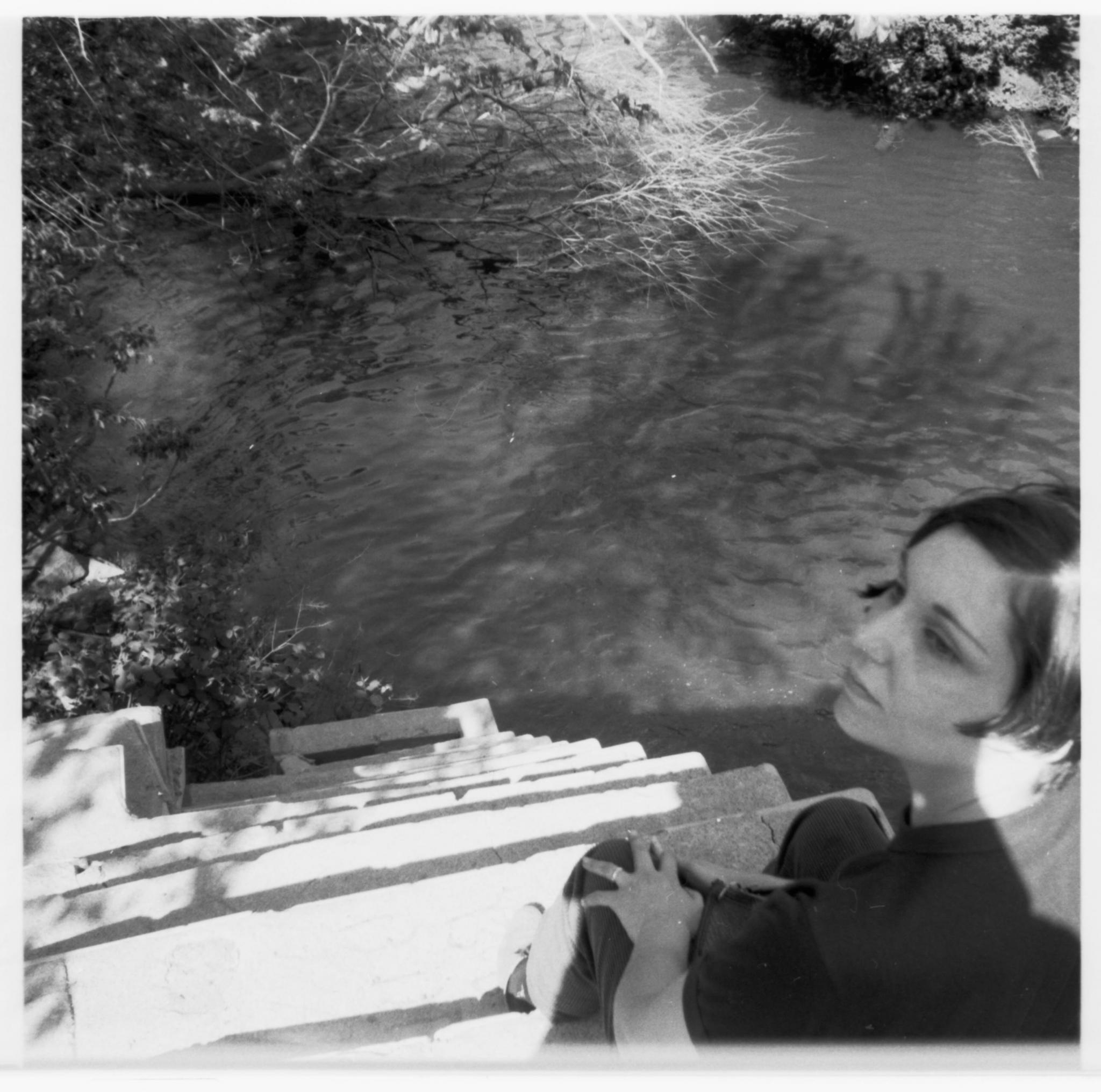
Ultramoderne challenges conventional distinctions between writing, photography, and what constitutes an artwork. It exists as a published article and a photographic series, both of which can be seen in the carousel above. Across seven rolls of black-and-white Kodak 126 film, the photographs show both the architecture under study and Holt and Smithson within these “ultraist” spaces. Smithson also experimented with producing negative prints from his photographs.
The question of authorship is further complicated by Holt and Smithson's practice of sharing a camera during their travels. Holt can be seen in photographs taken by Smithson, and Smithson in photographs taken by Holt. Holt later developed two images from the series into the composite photowork Bar None (1967). The Foundation understands Smithson as the primary author of Ultramoderne, and our research into this work is ongoing.