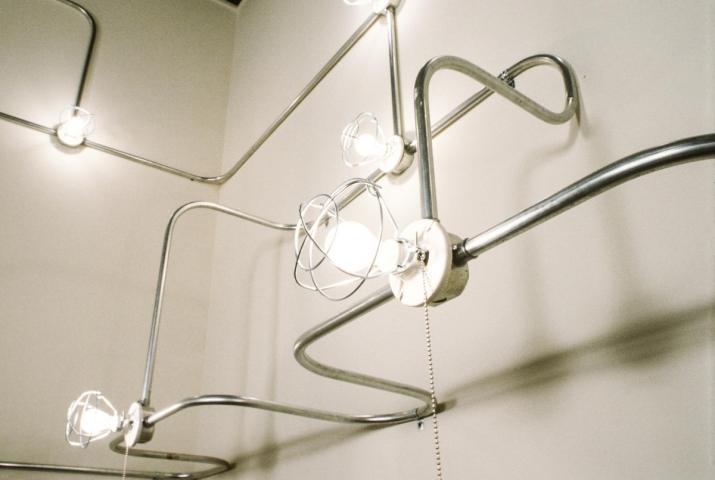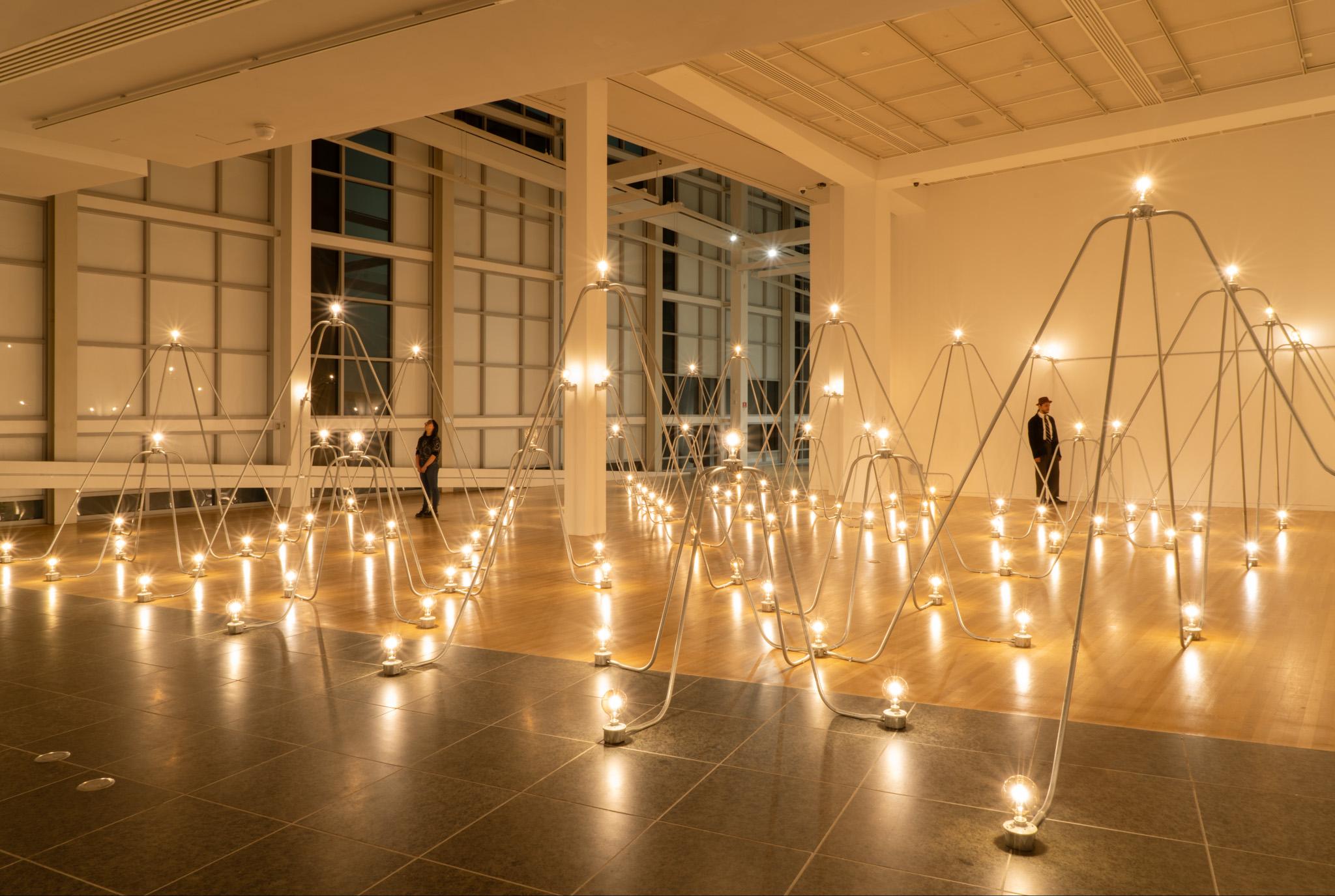
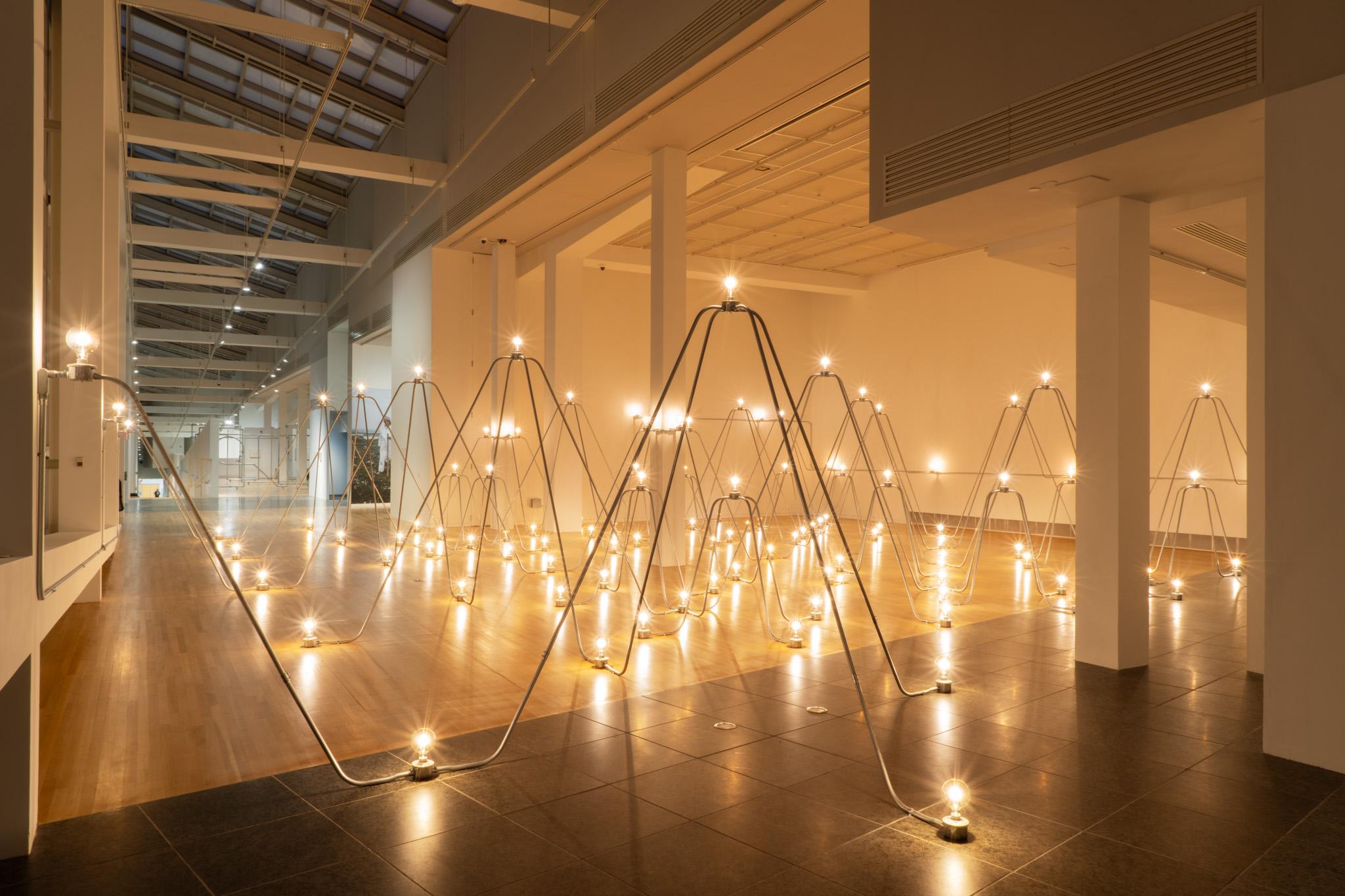
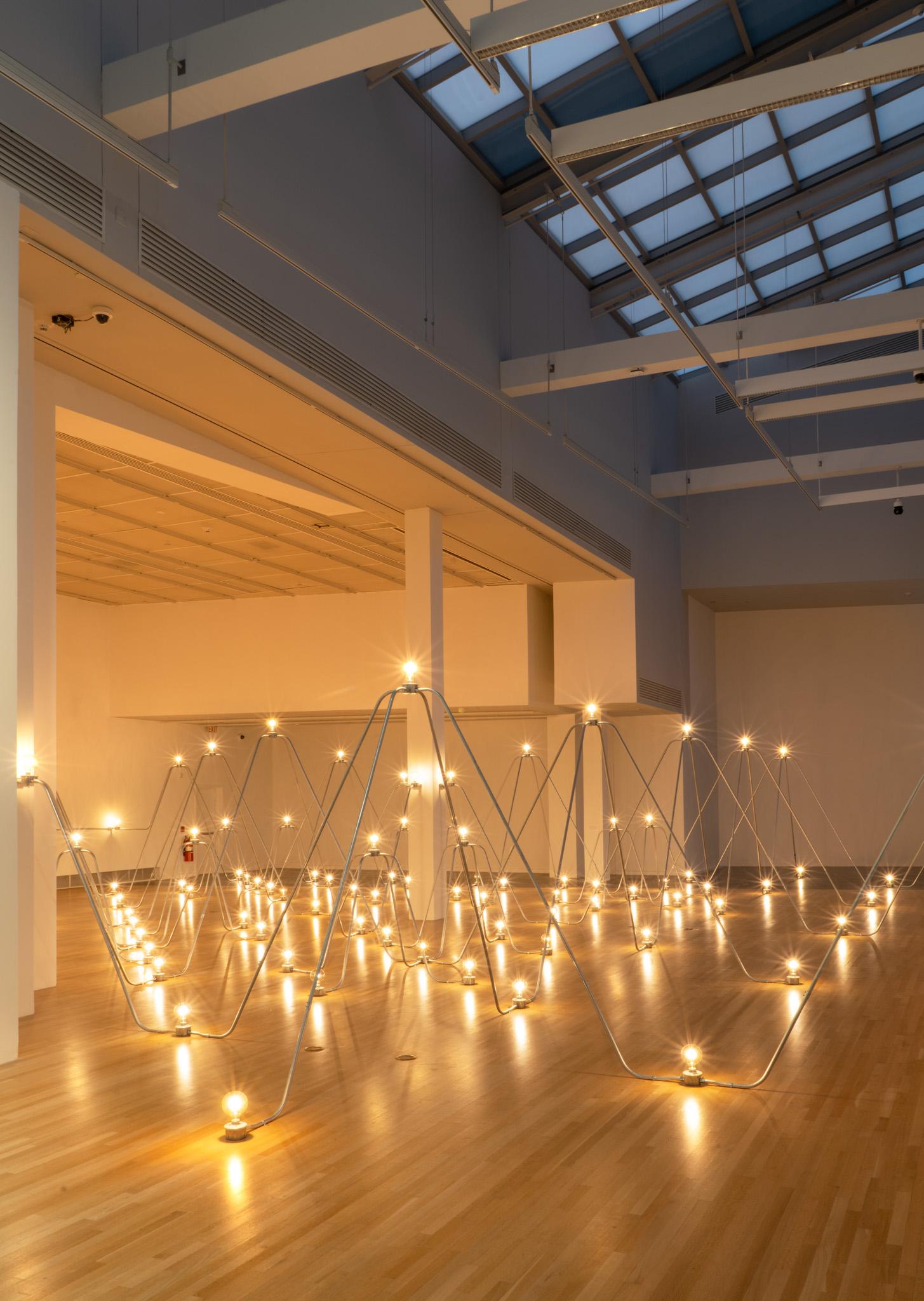
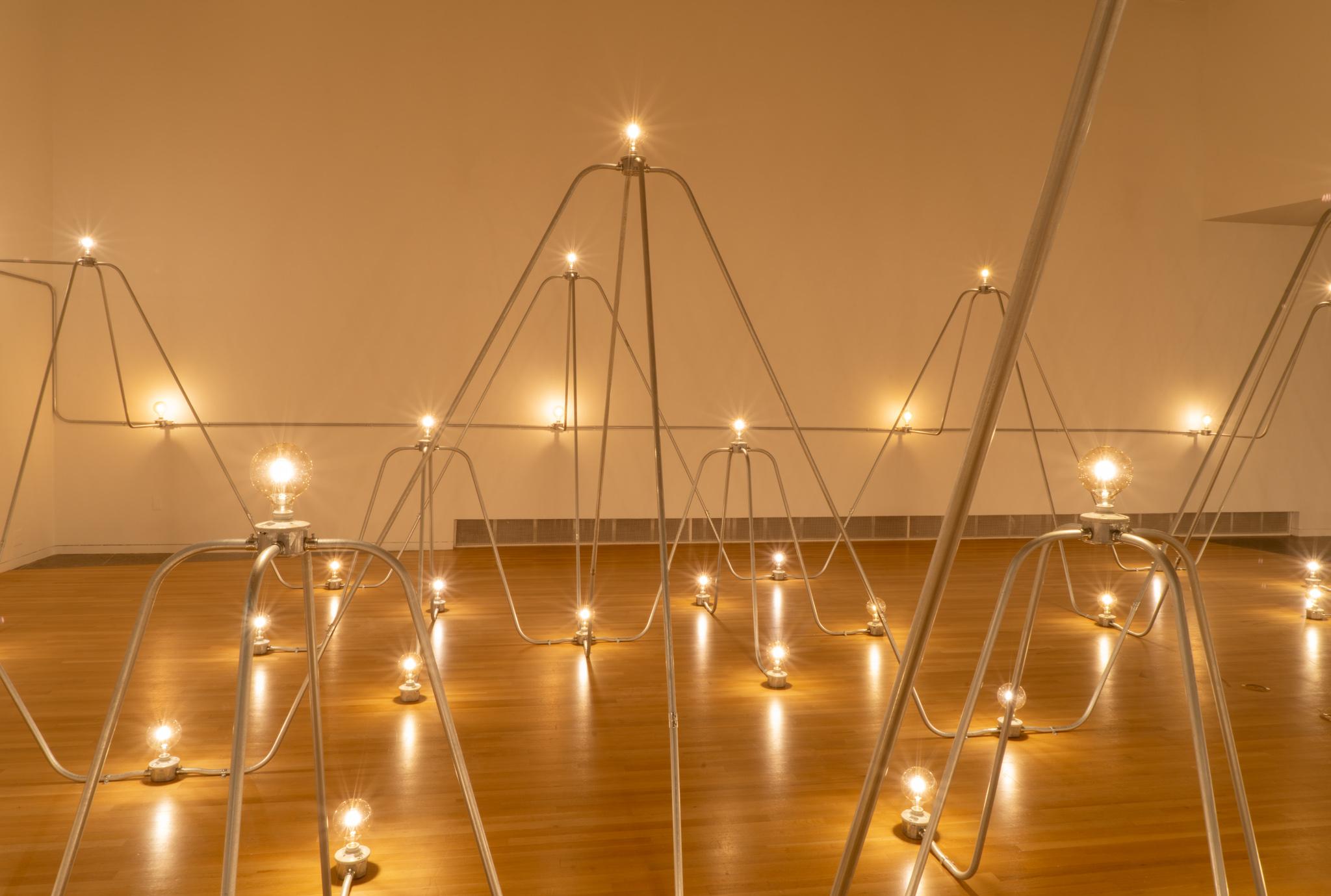
Electrical System

Nancy Holt
1982
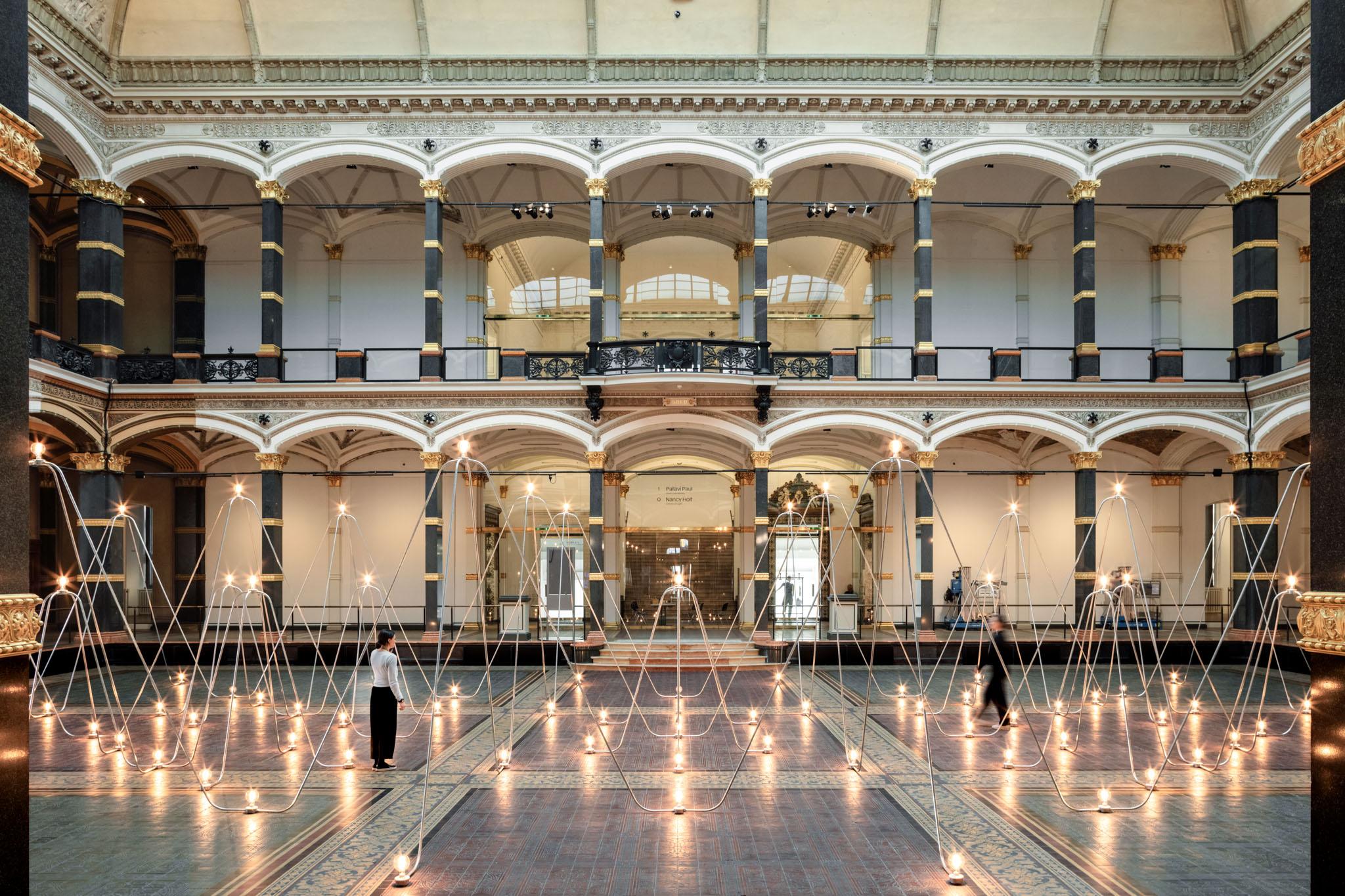
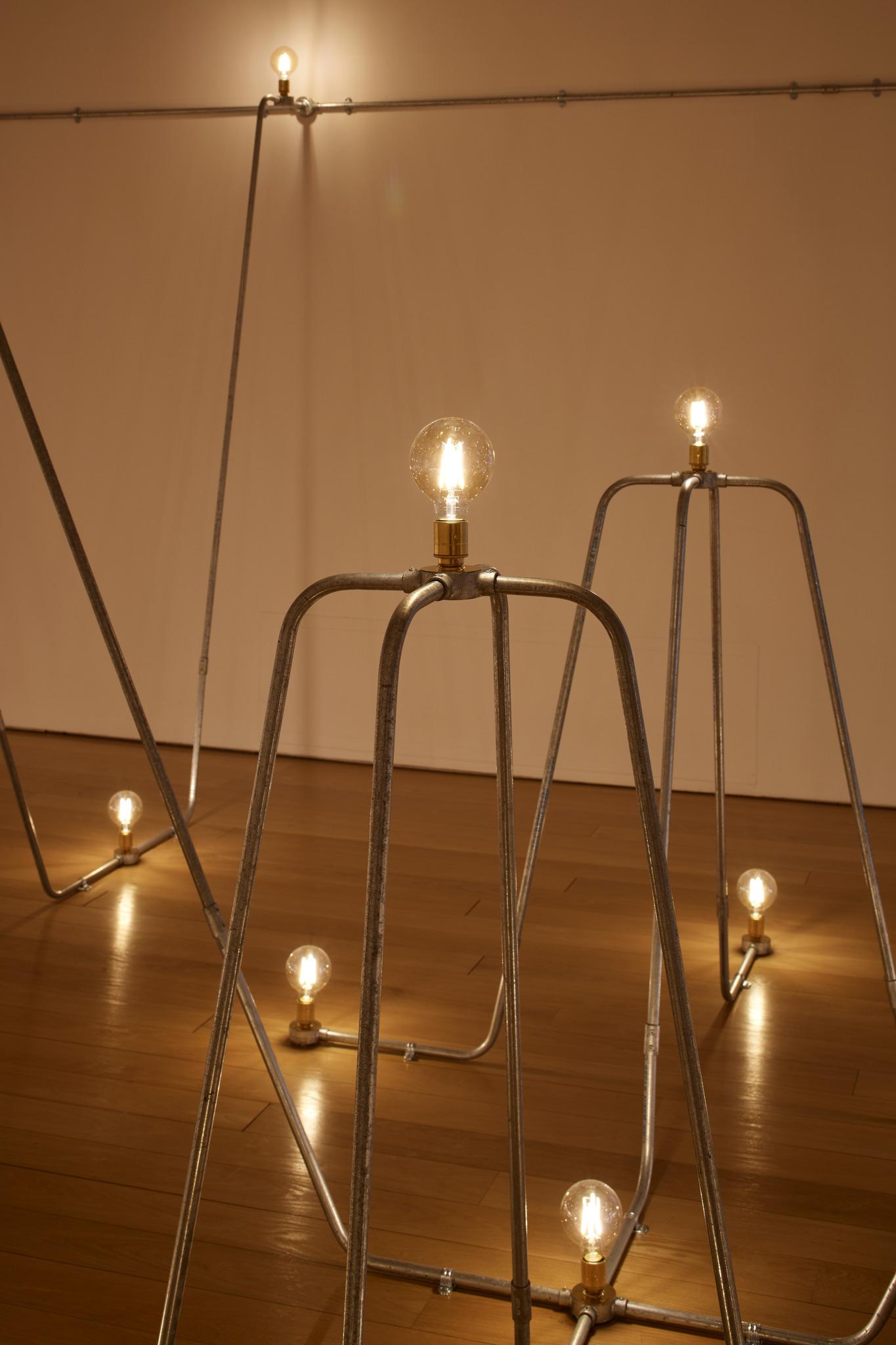
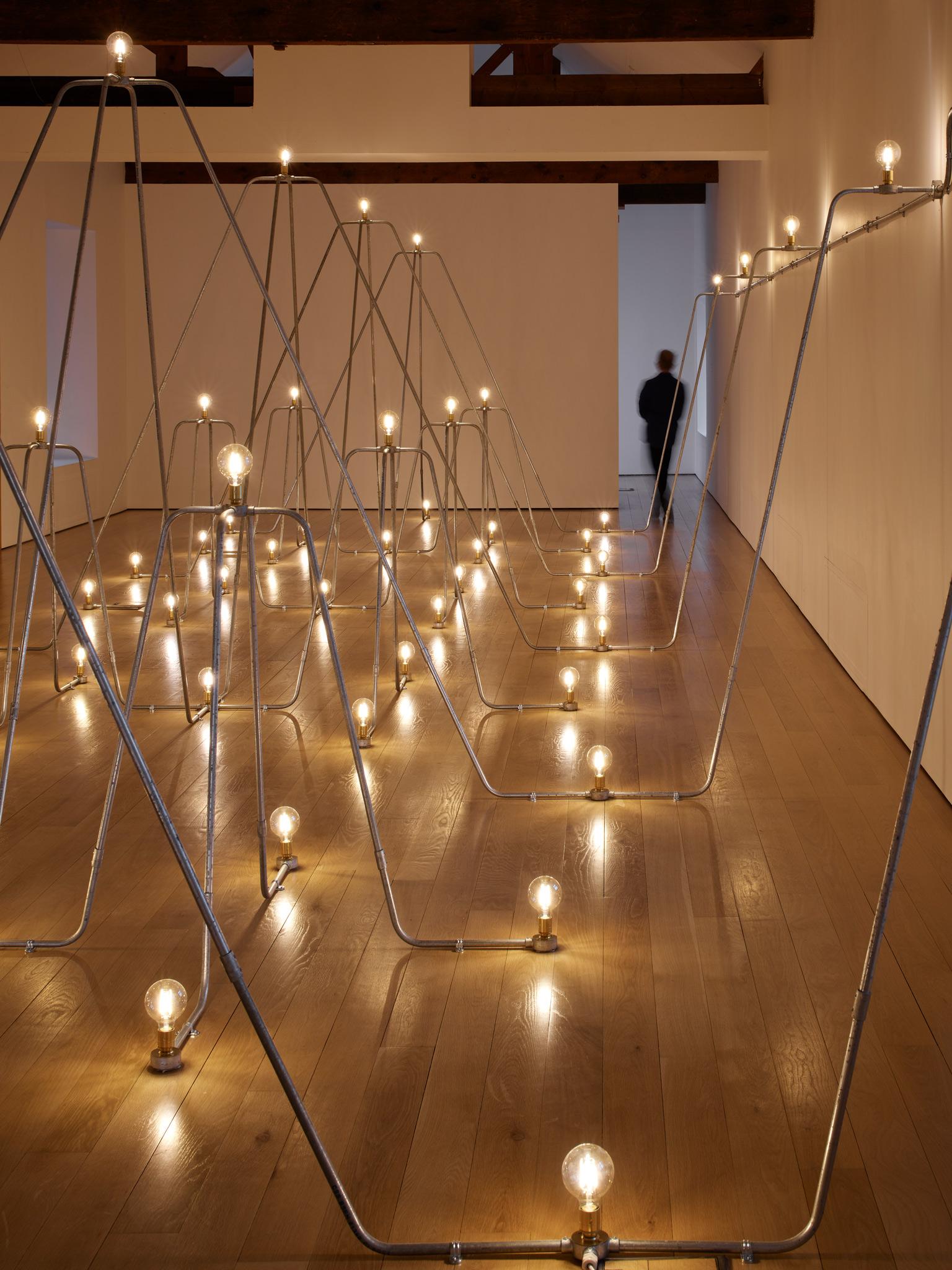
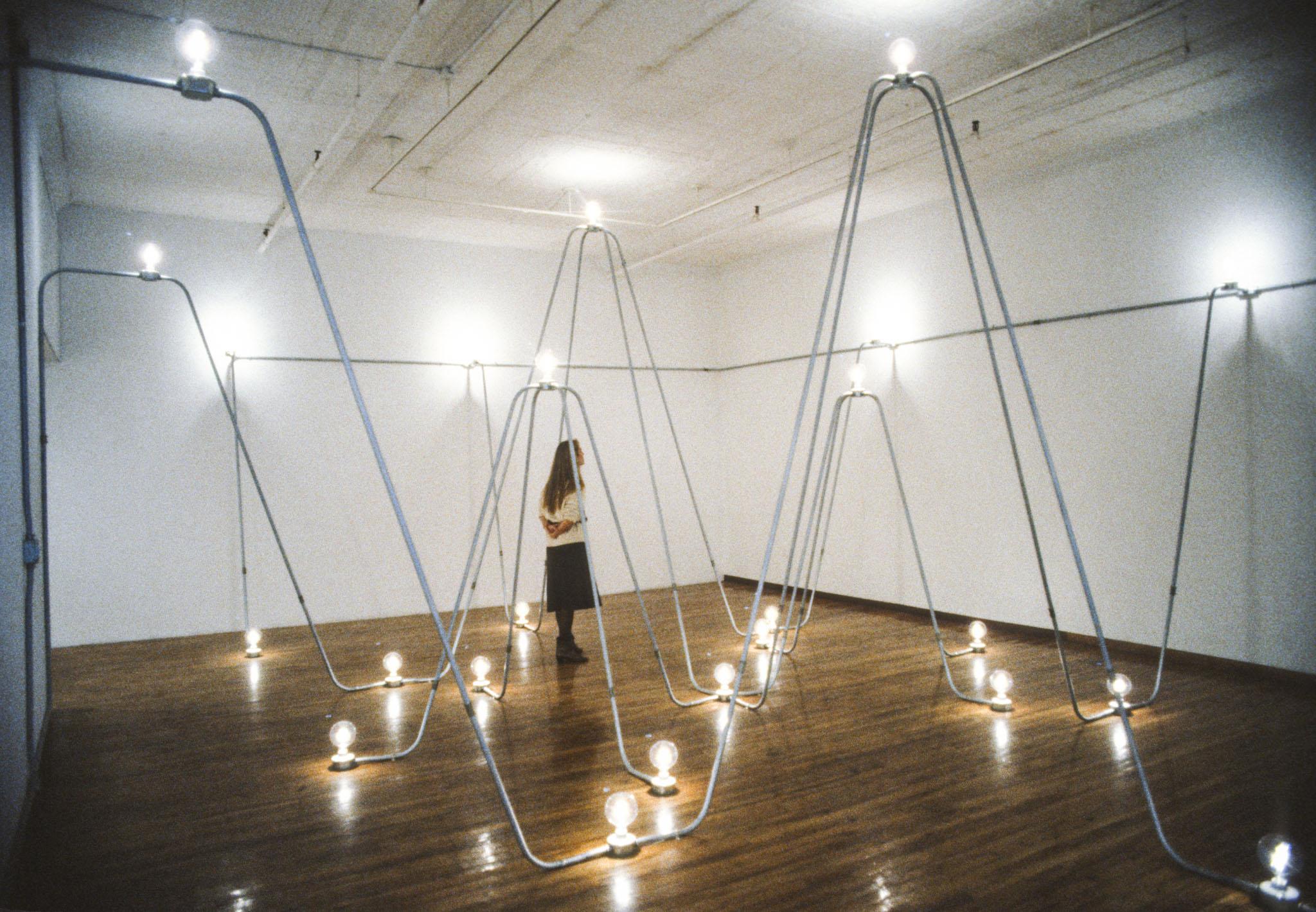
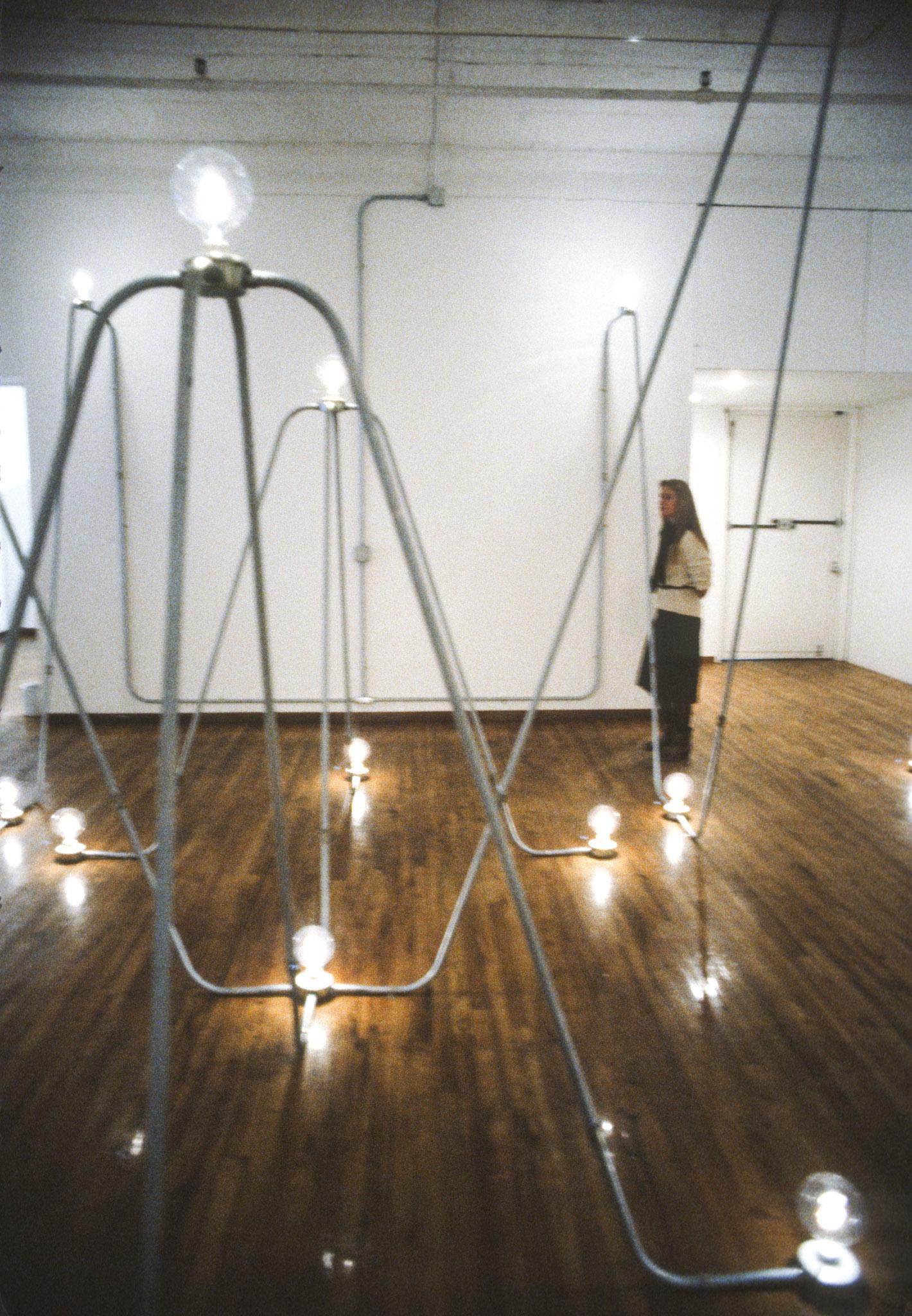
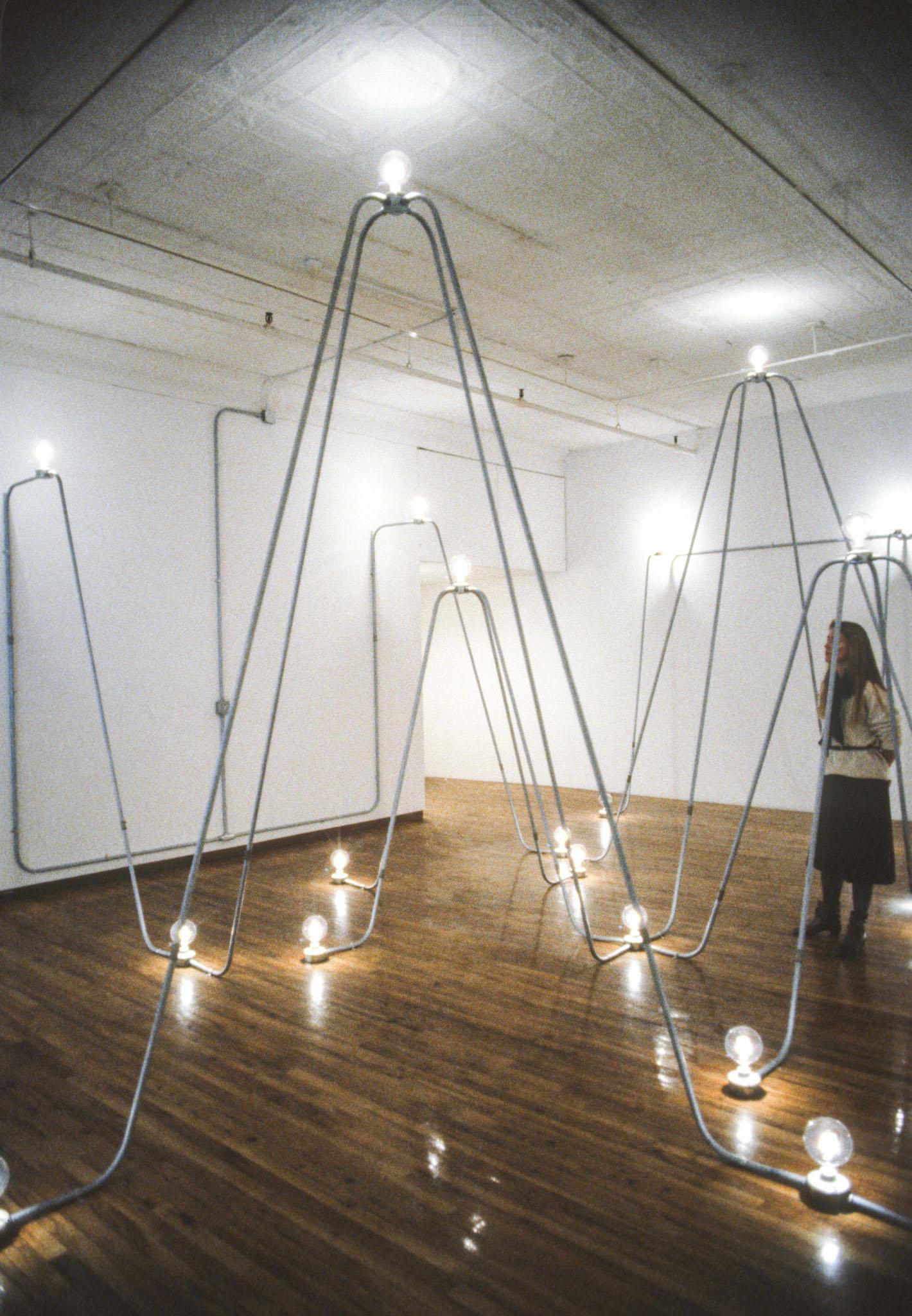
Steel conduit, lighting and electrical fixtures, light bulbs, electrical wire
Overall dimensions variable; site responsive
Hirshhorn Museum and Sculpture Garden, Smithsonian Institution, Washington, DC, Joseph H. Hirshhorn Purchase Fund, with support from Holt/Smithson Foundation in honor of the Hirshhorn’s 50th anniversary, 2025

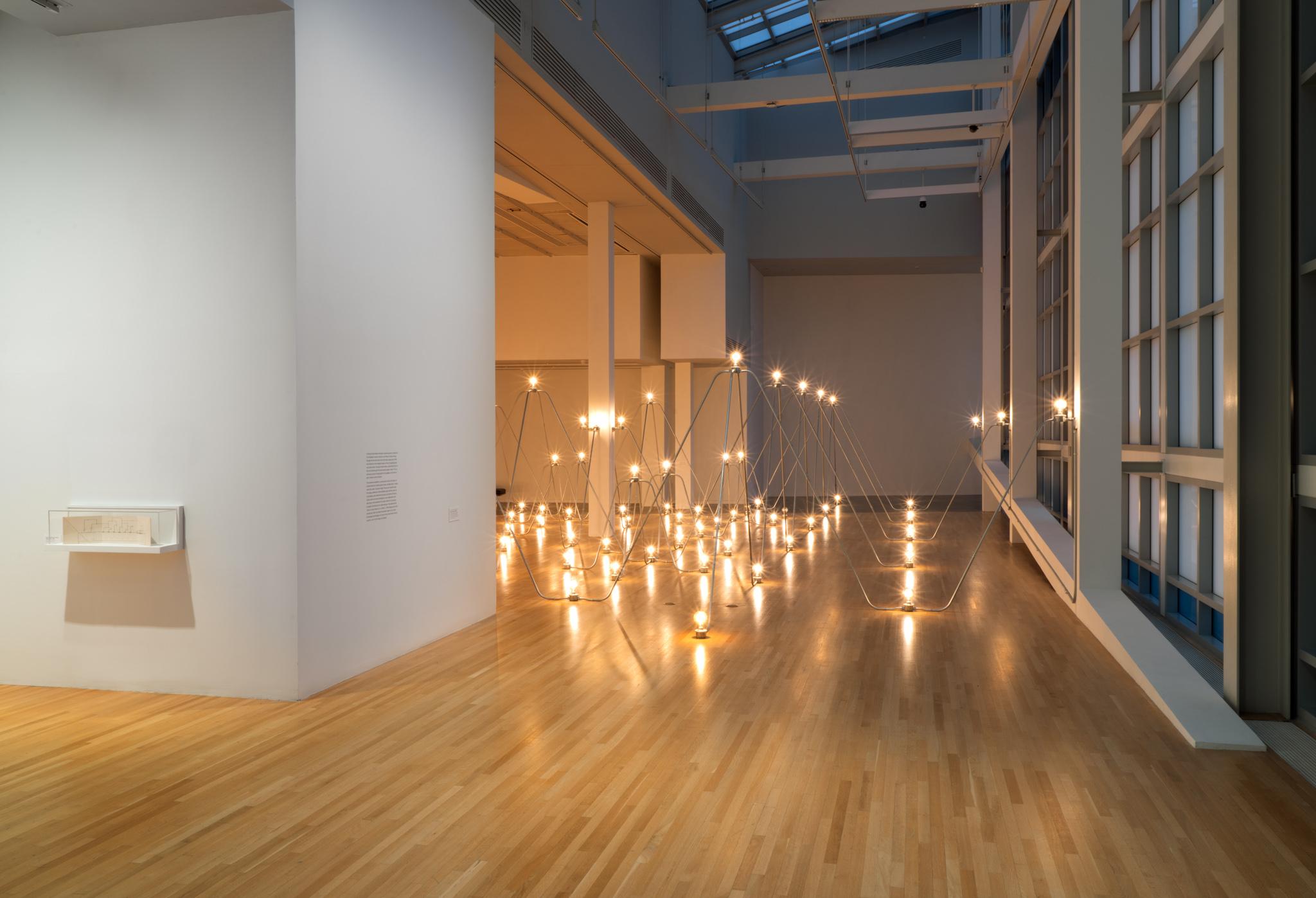
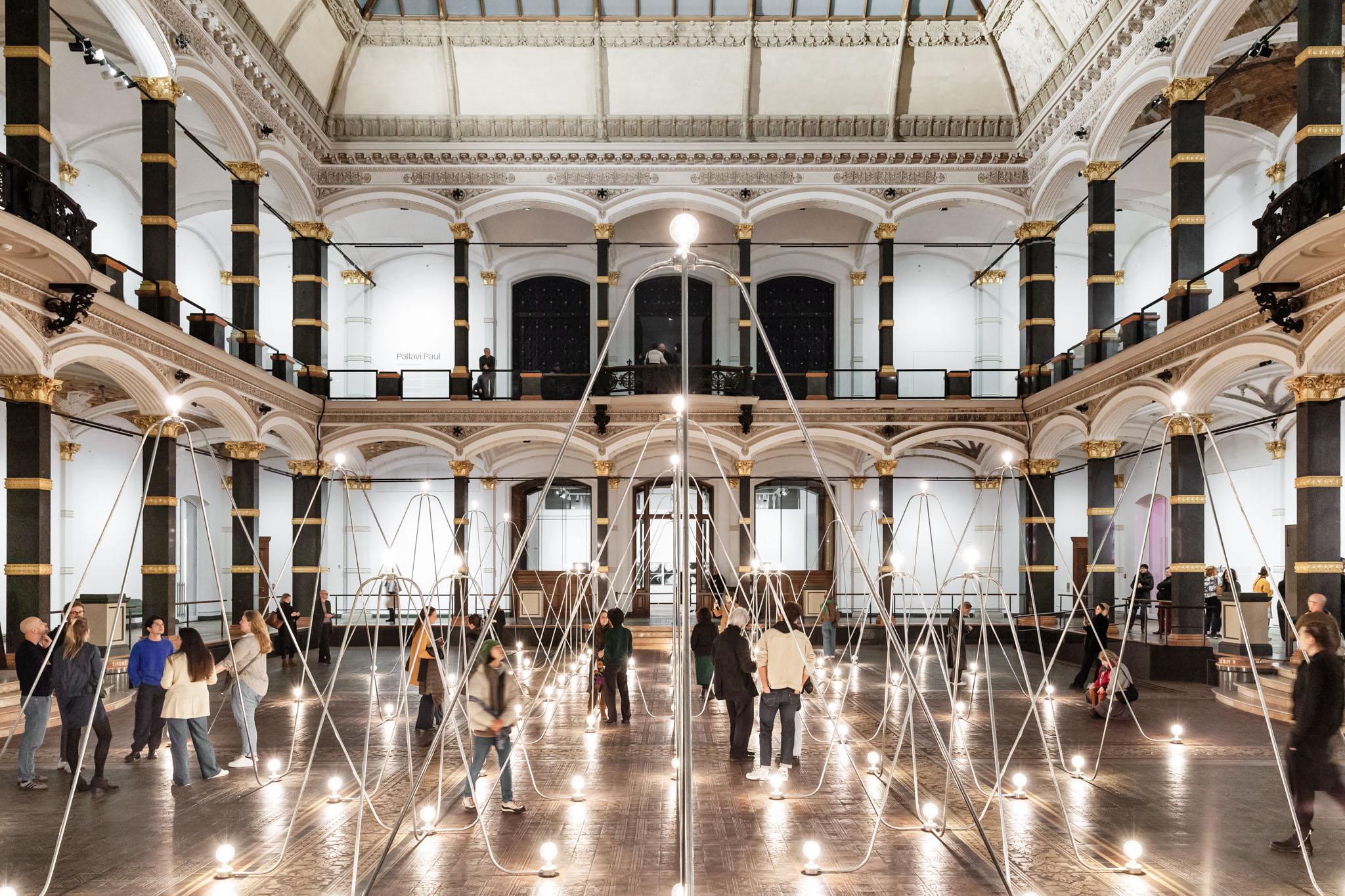
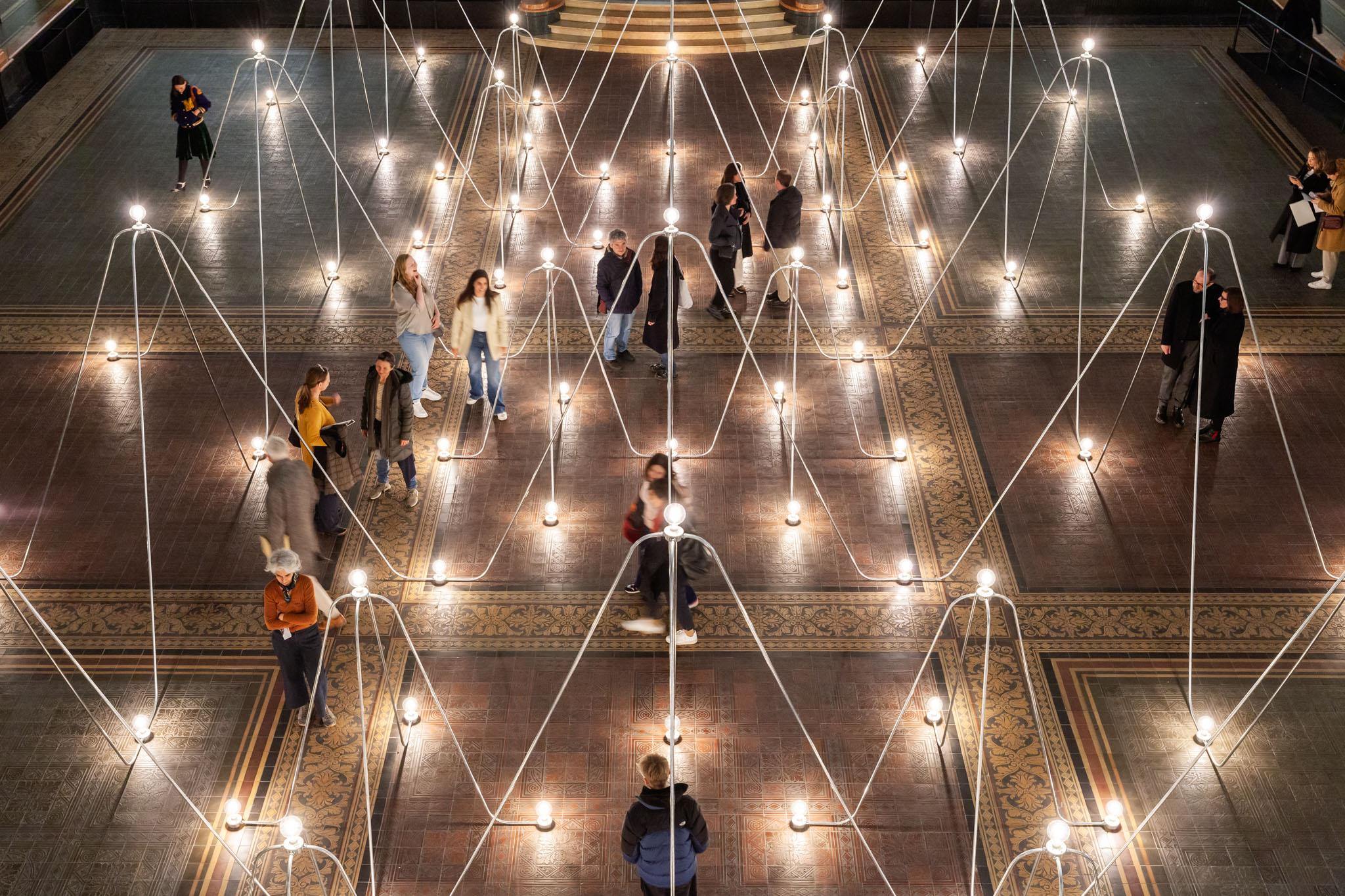
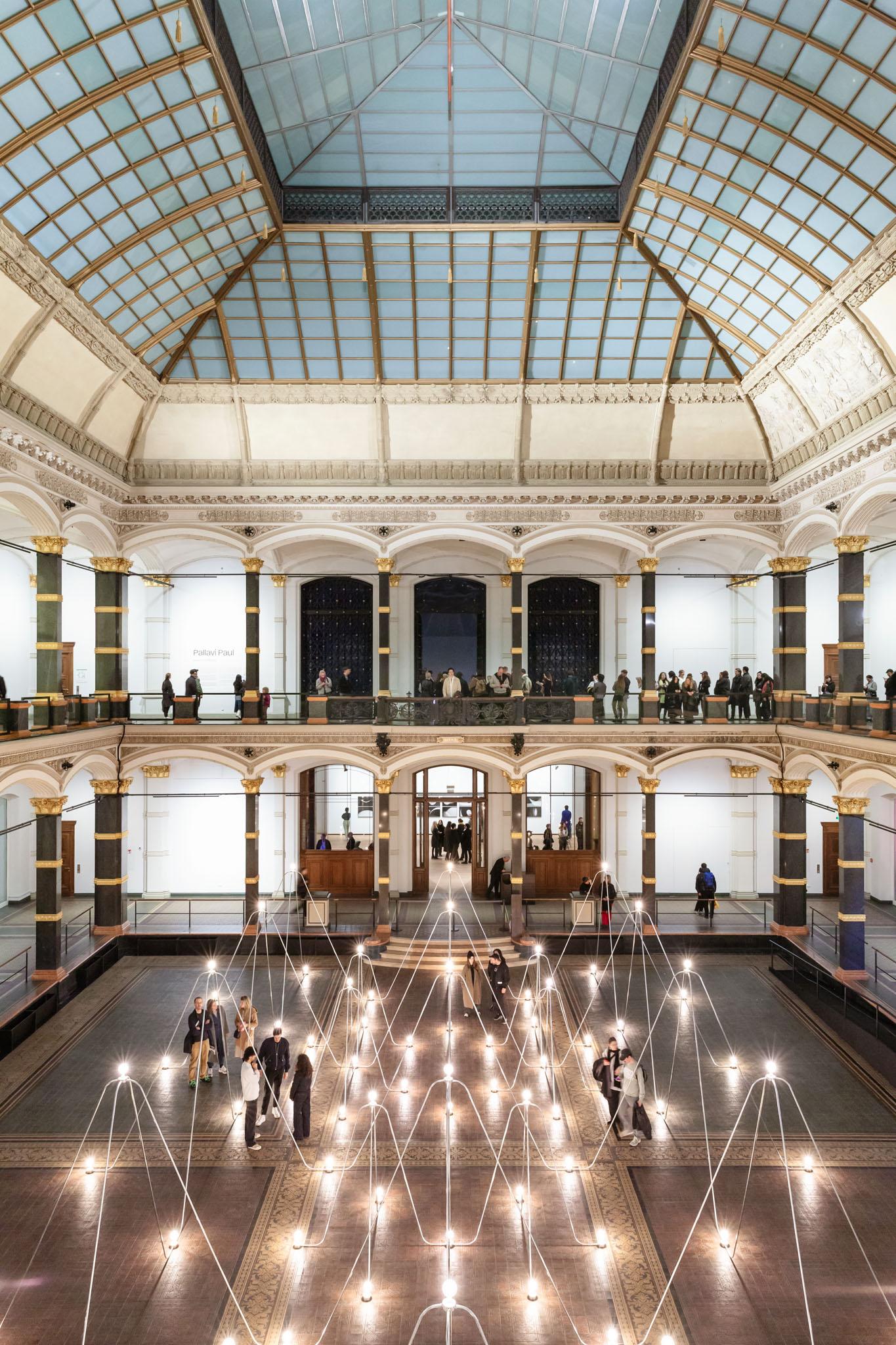
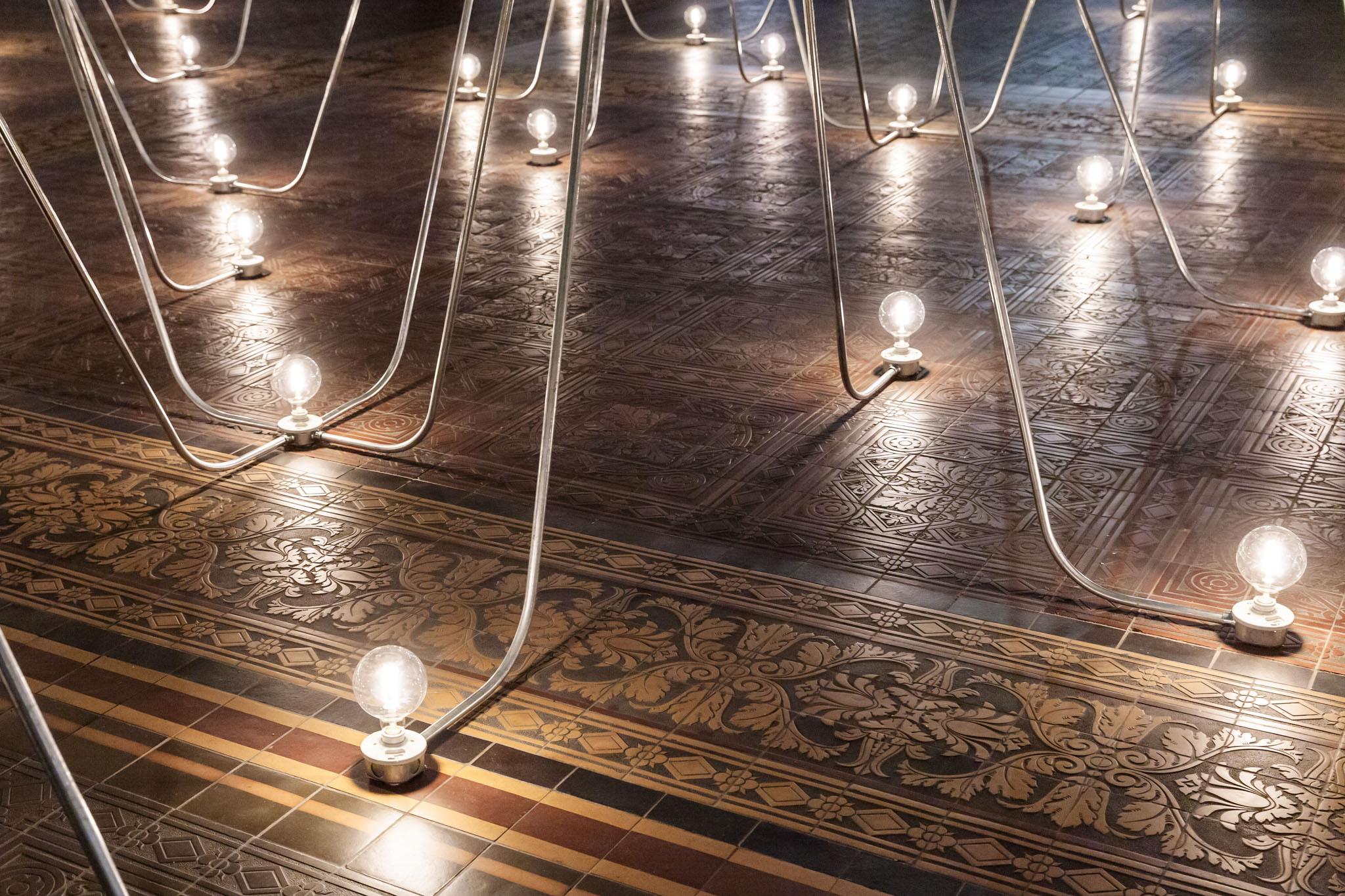
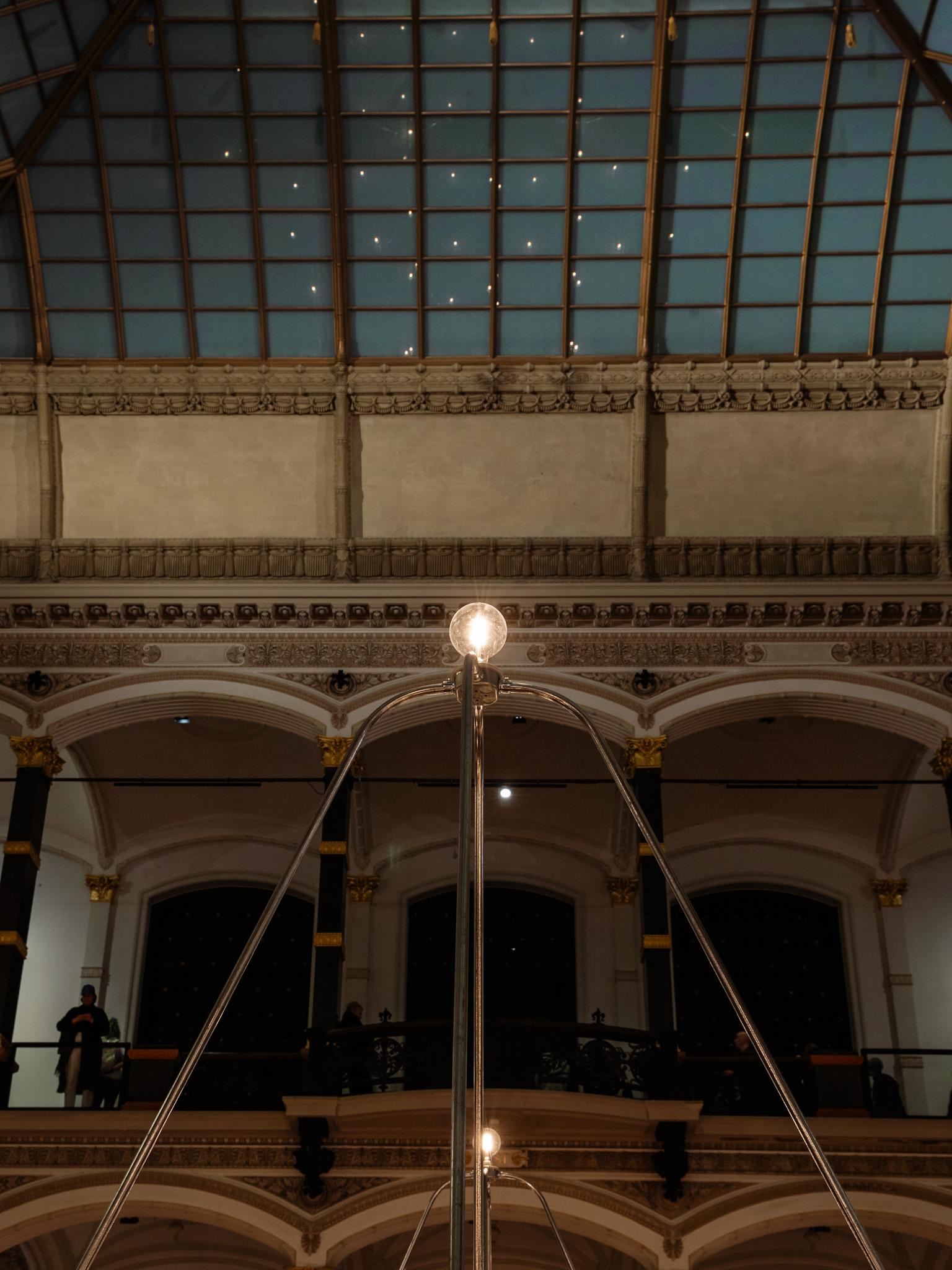
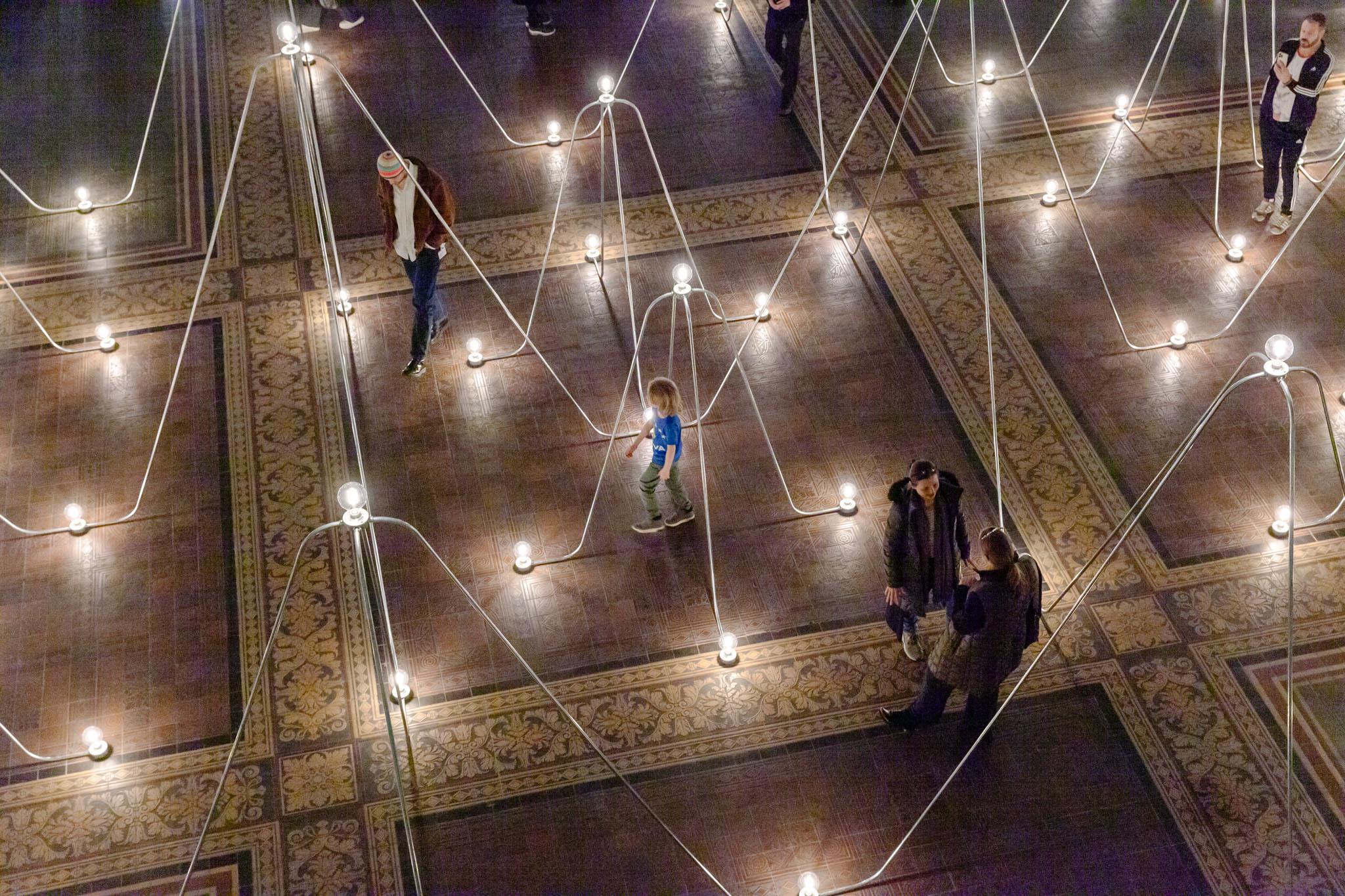
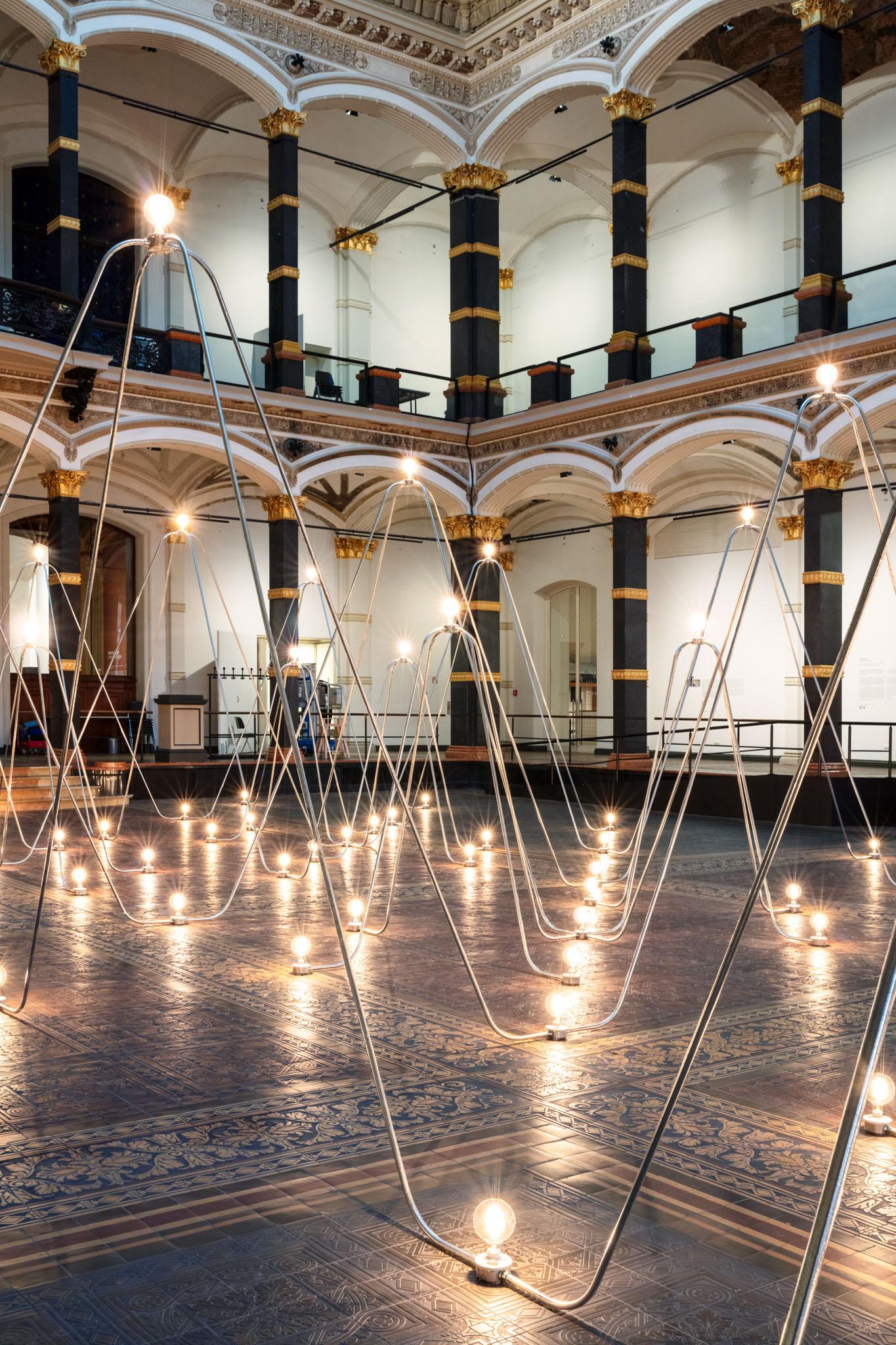
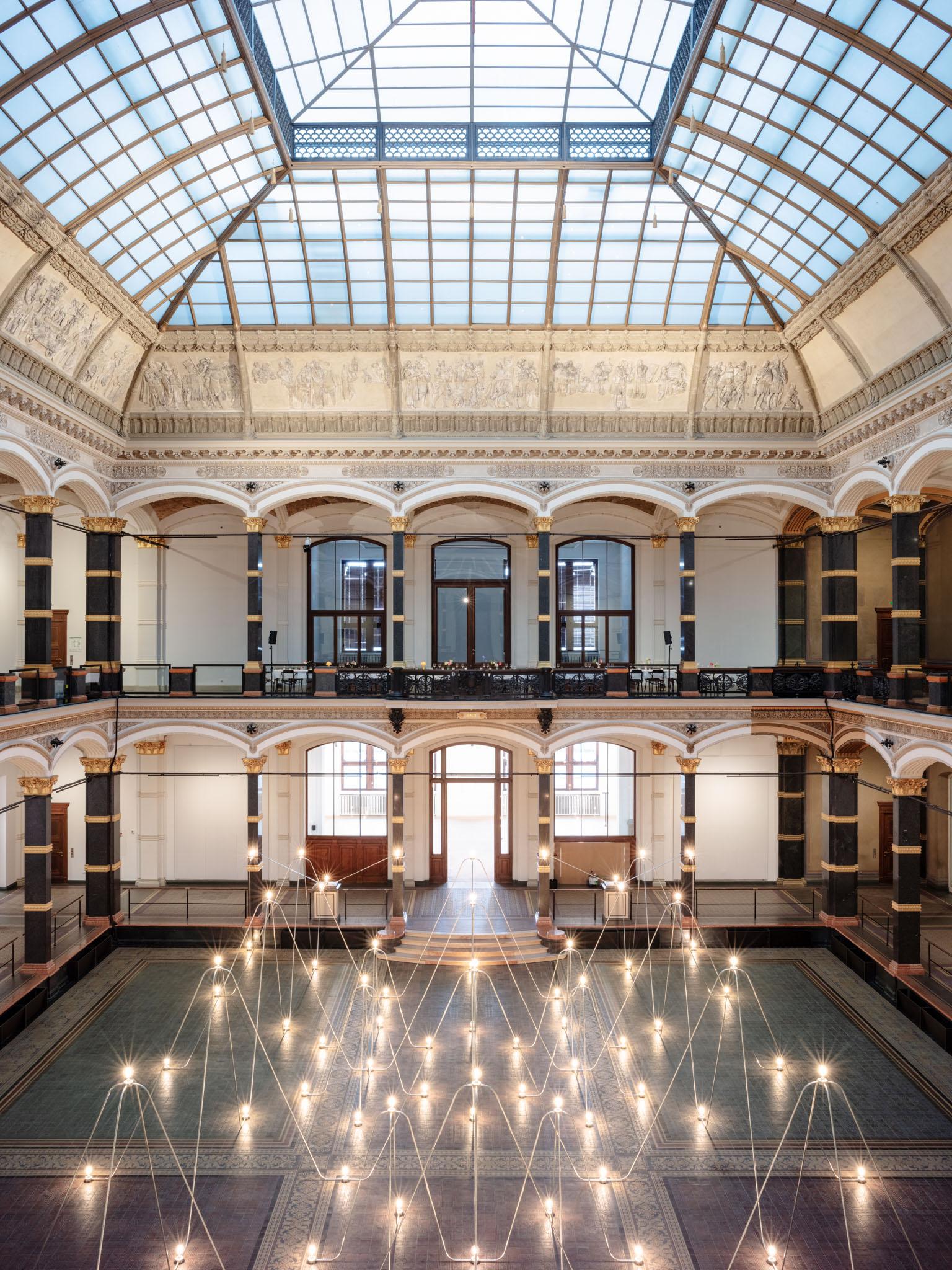
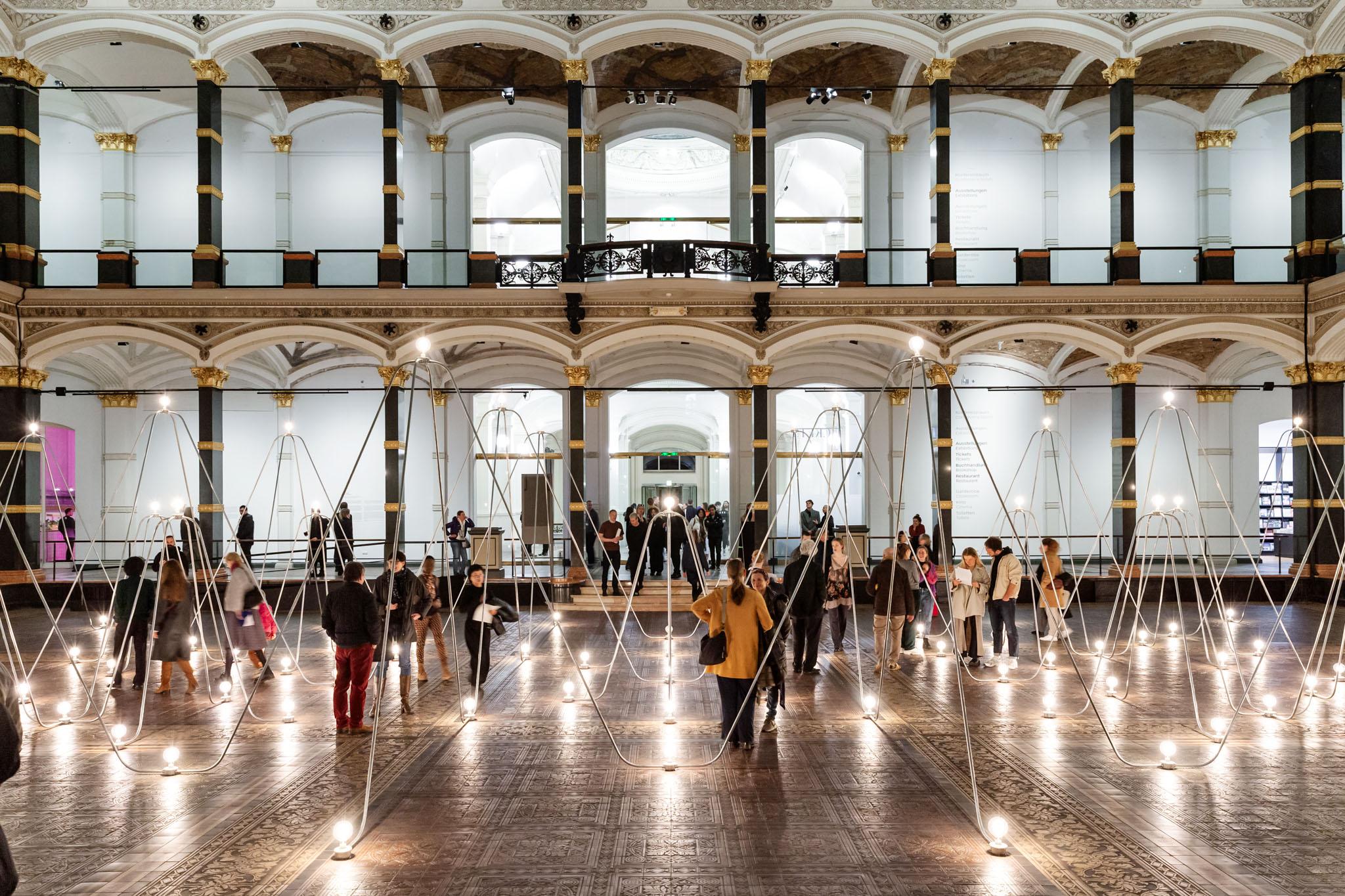
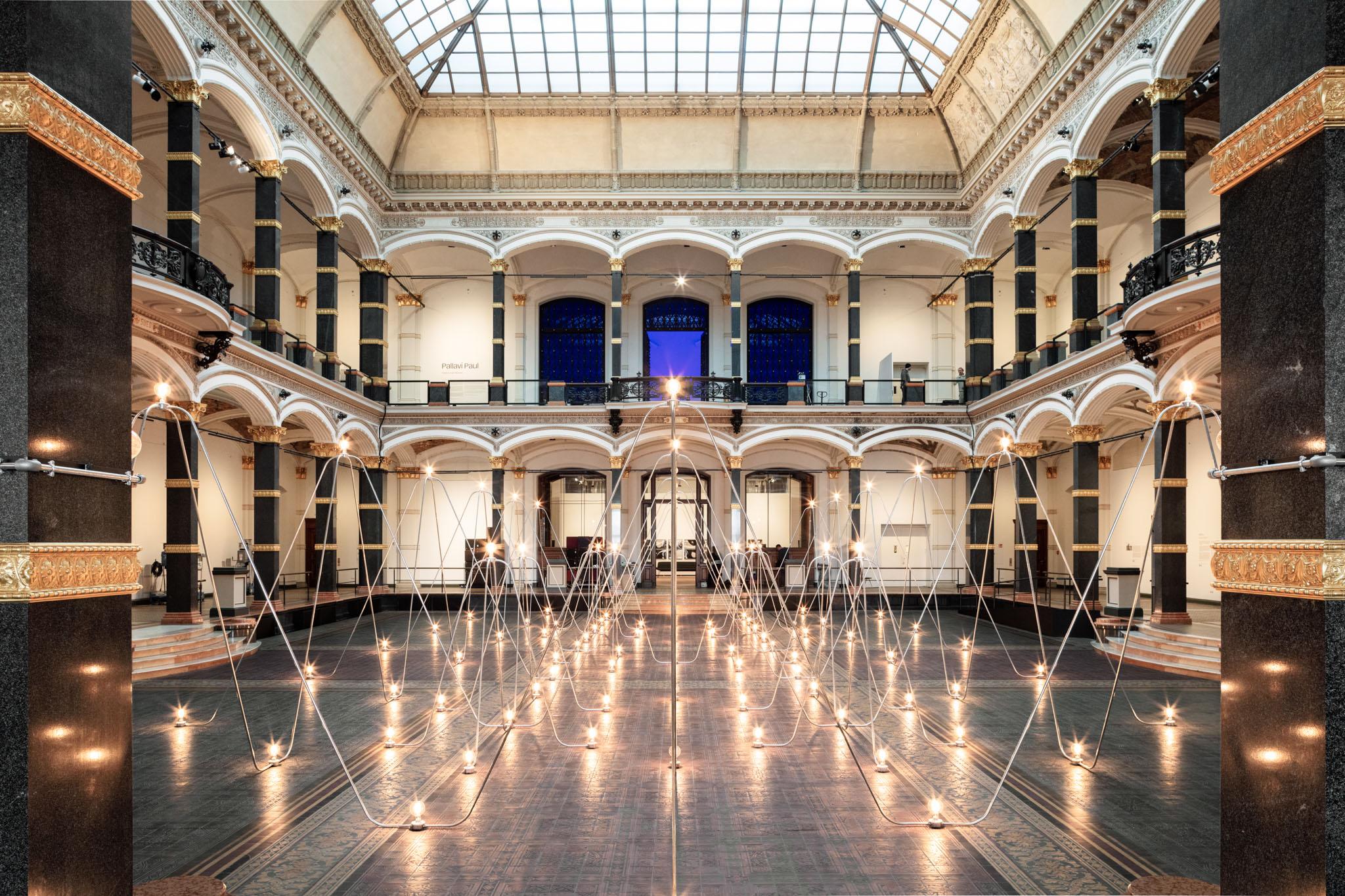
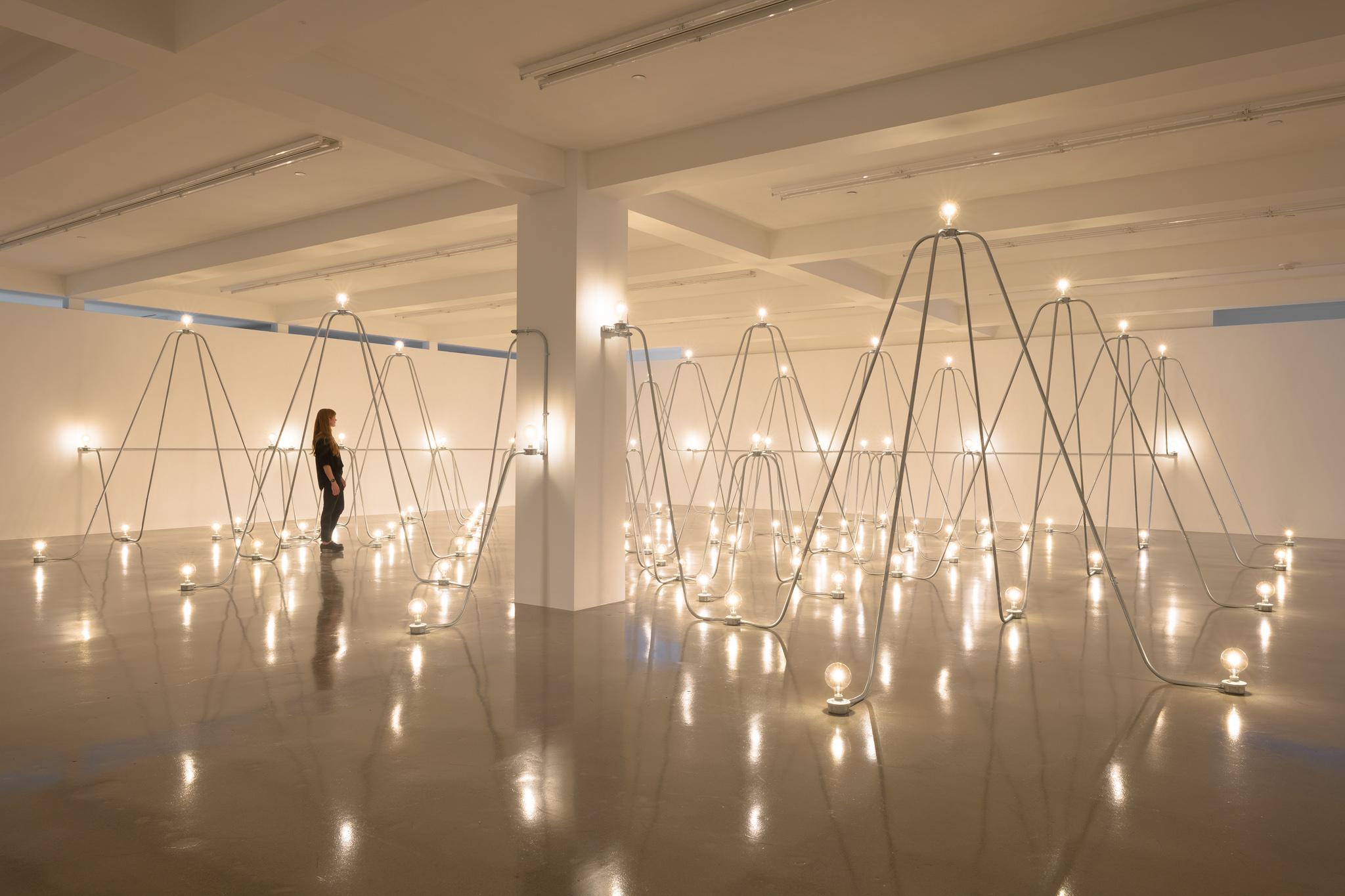
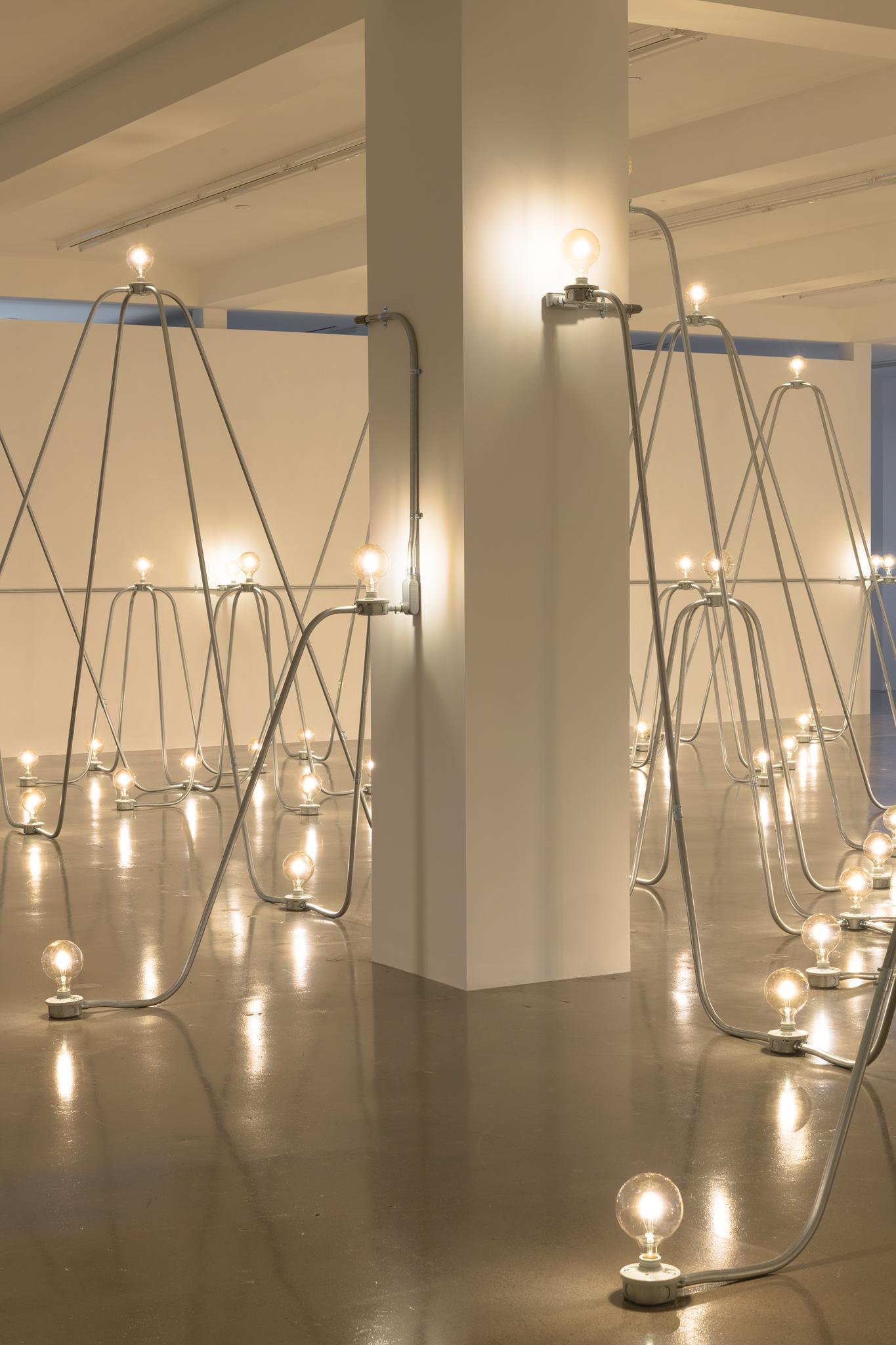
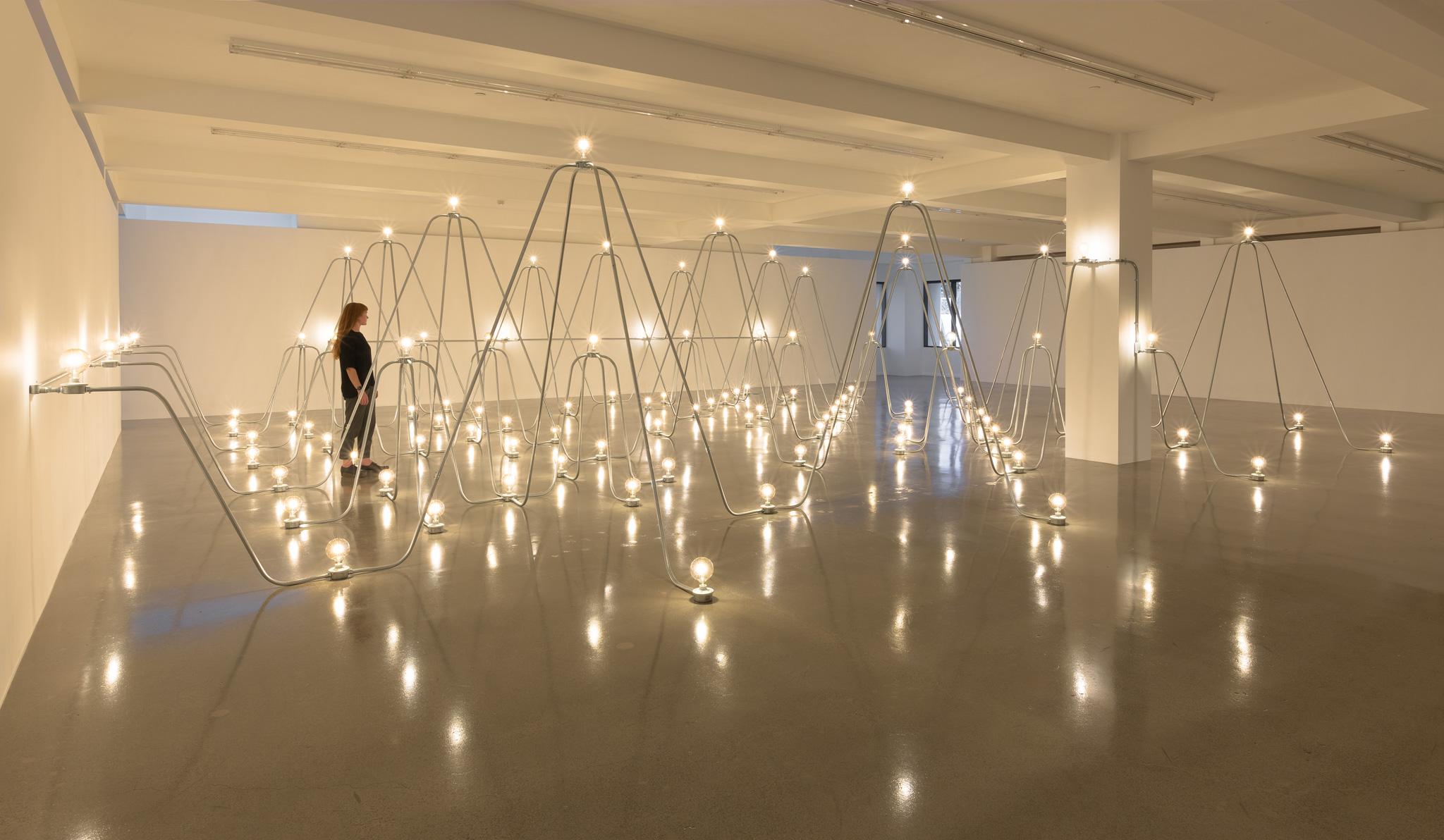
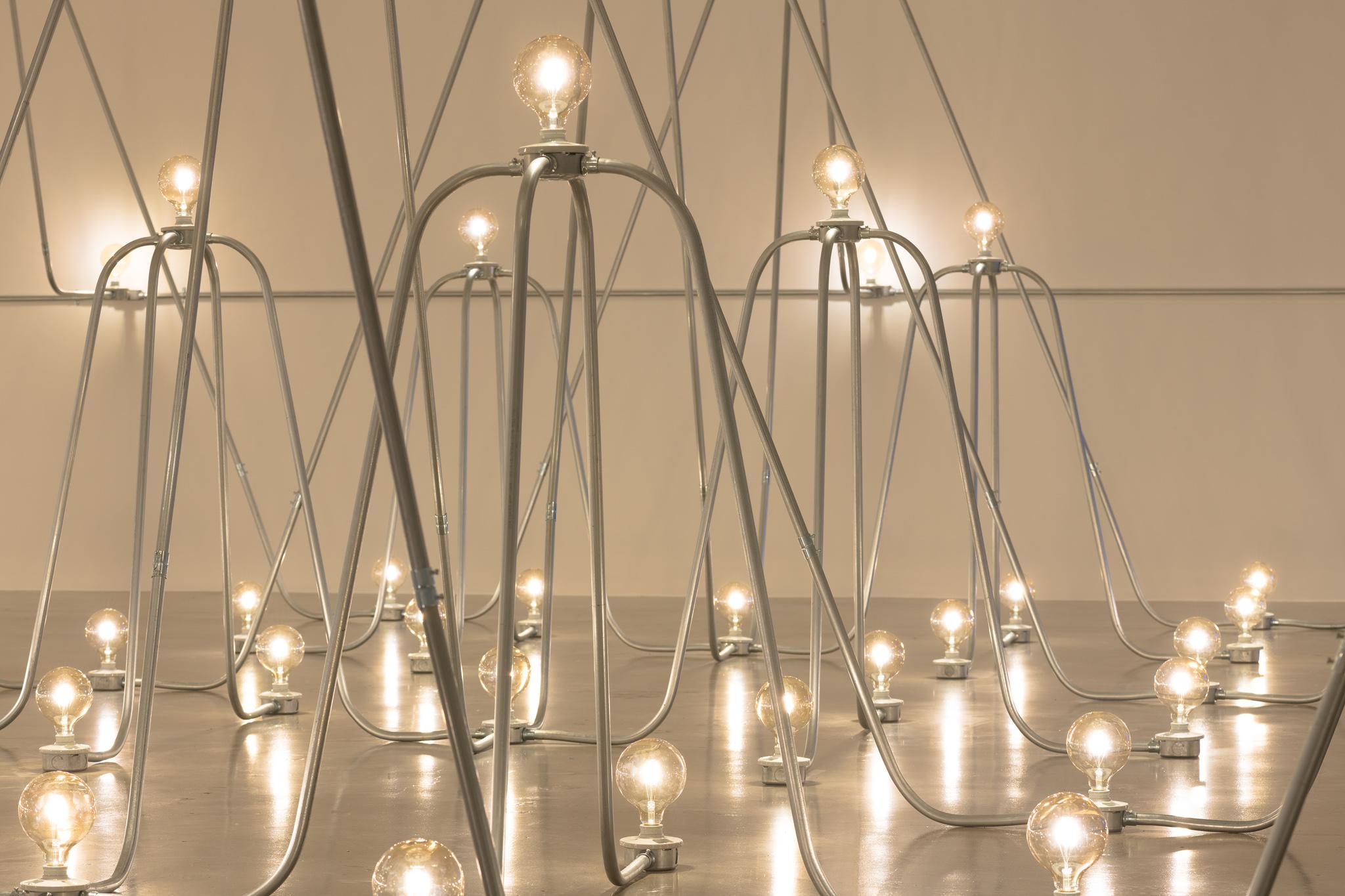
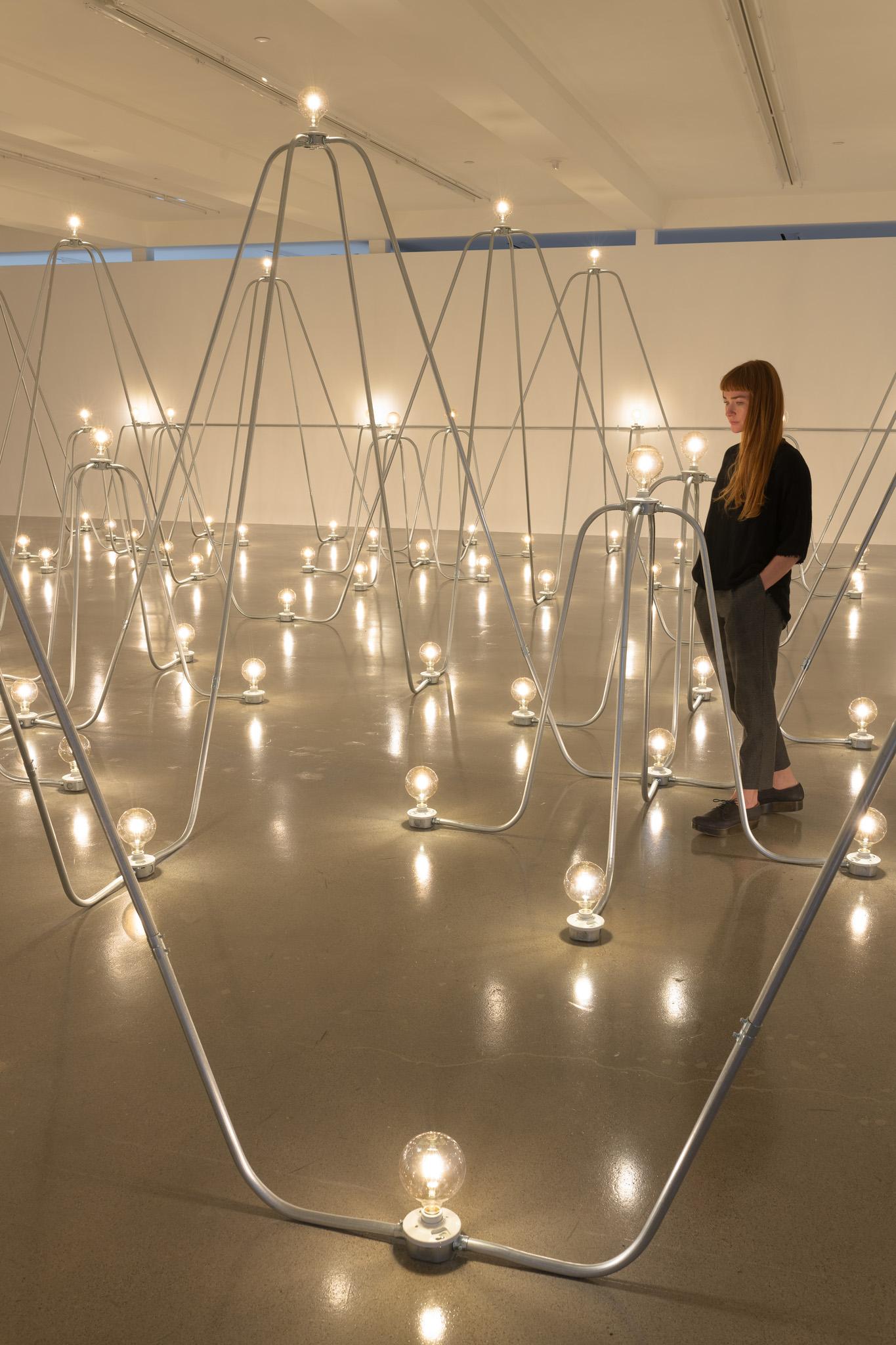
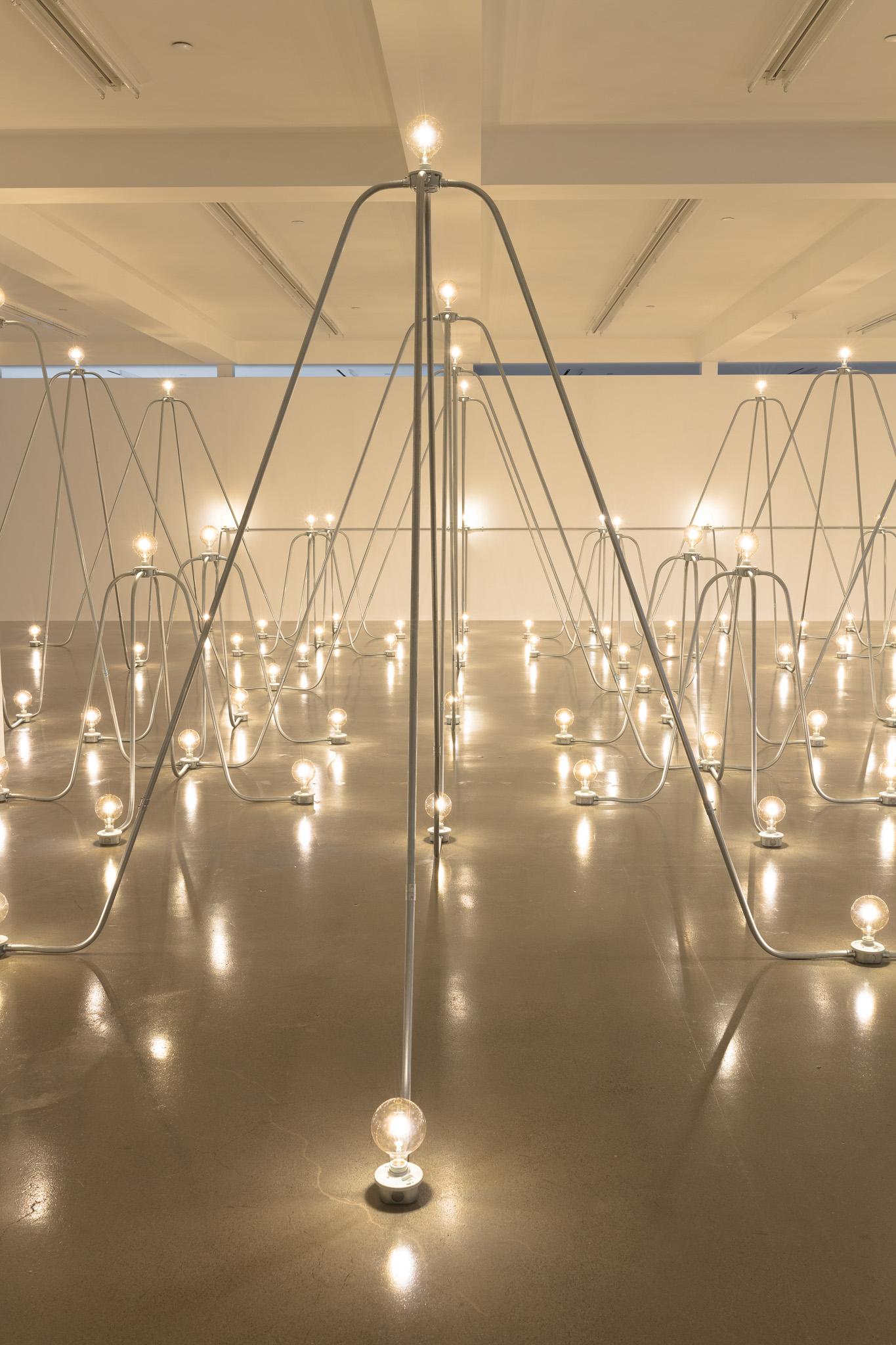
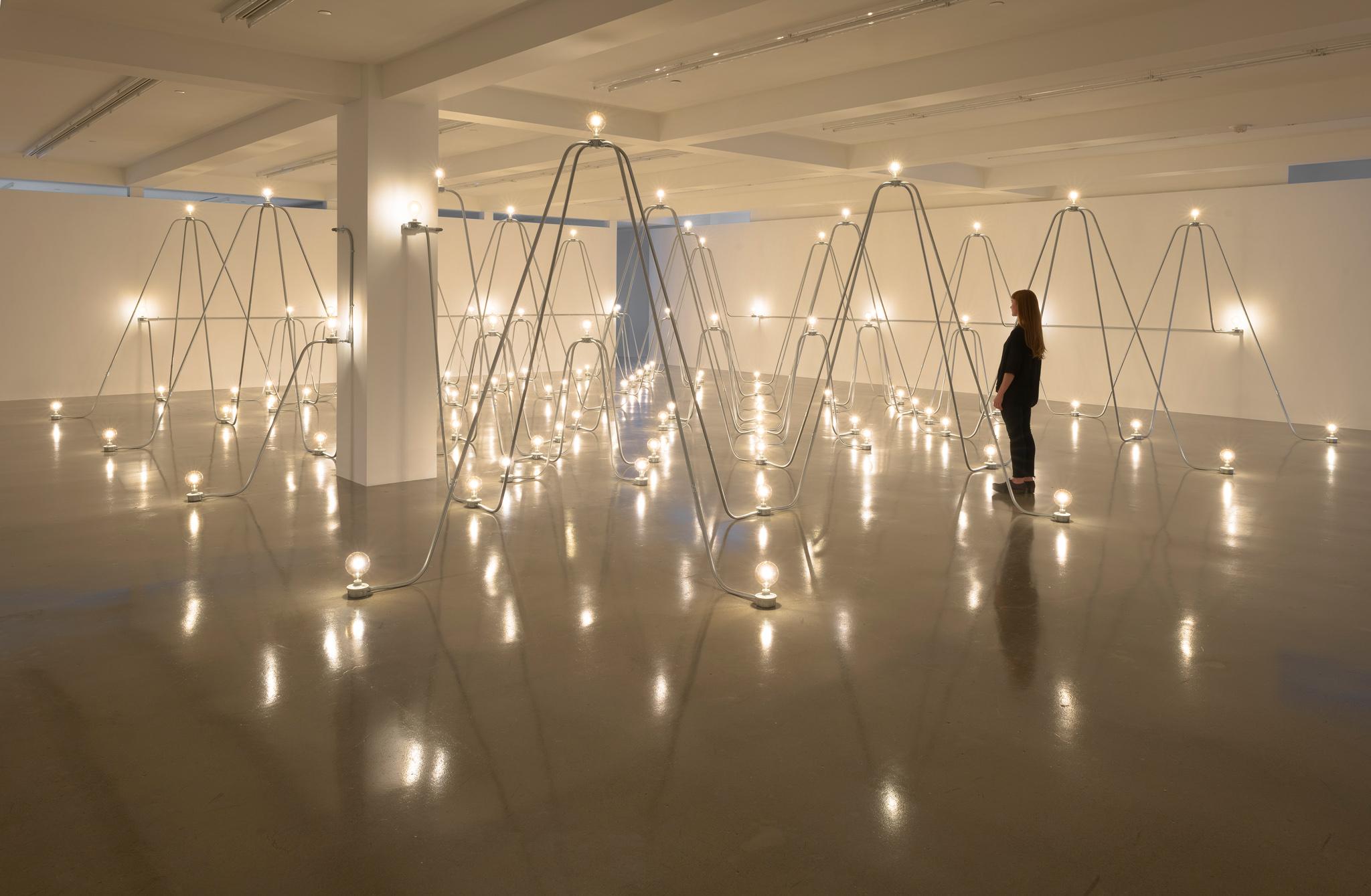
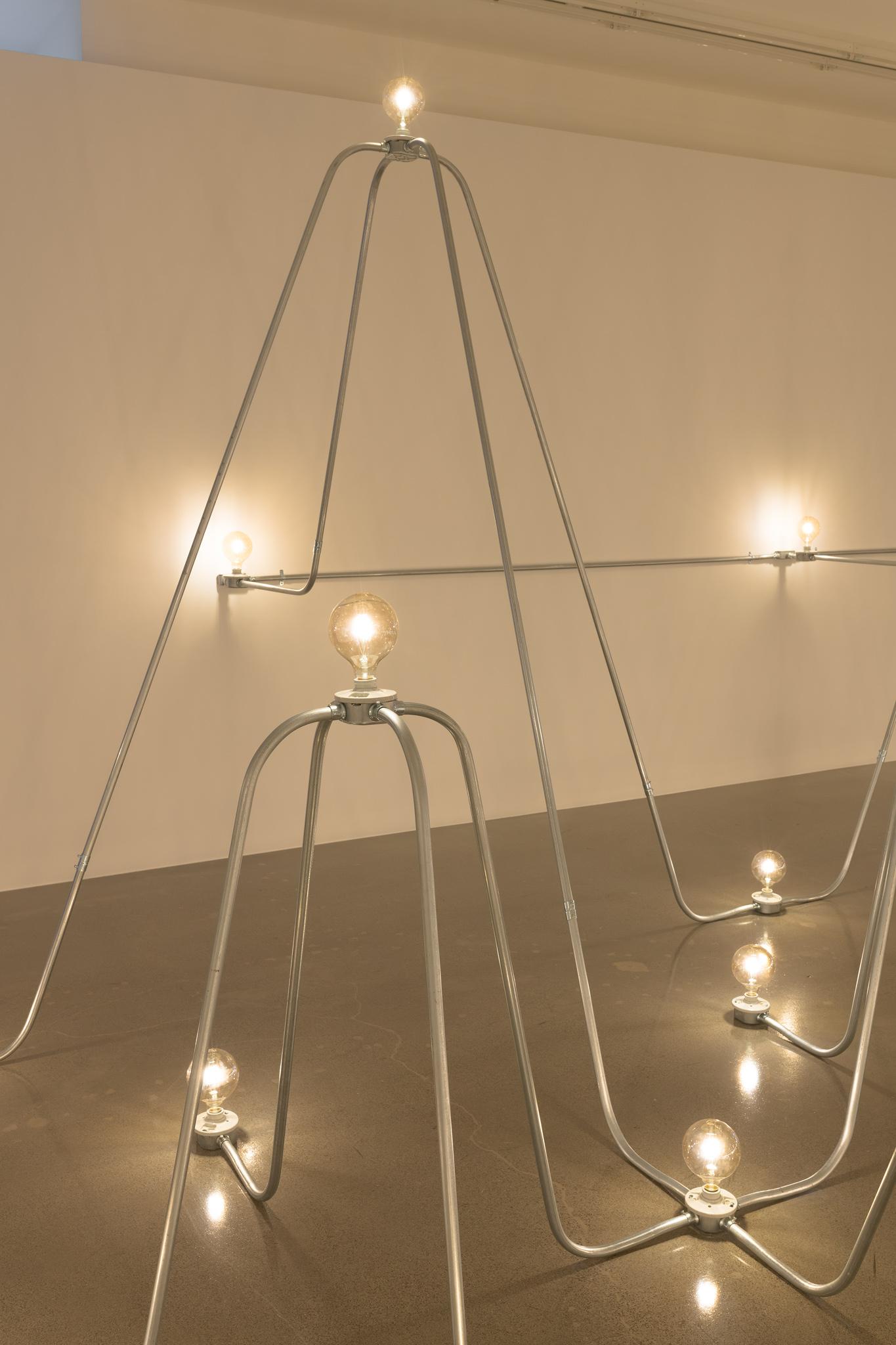
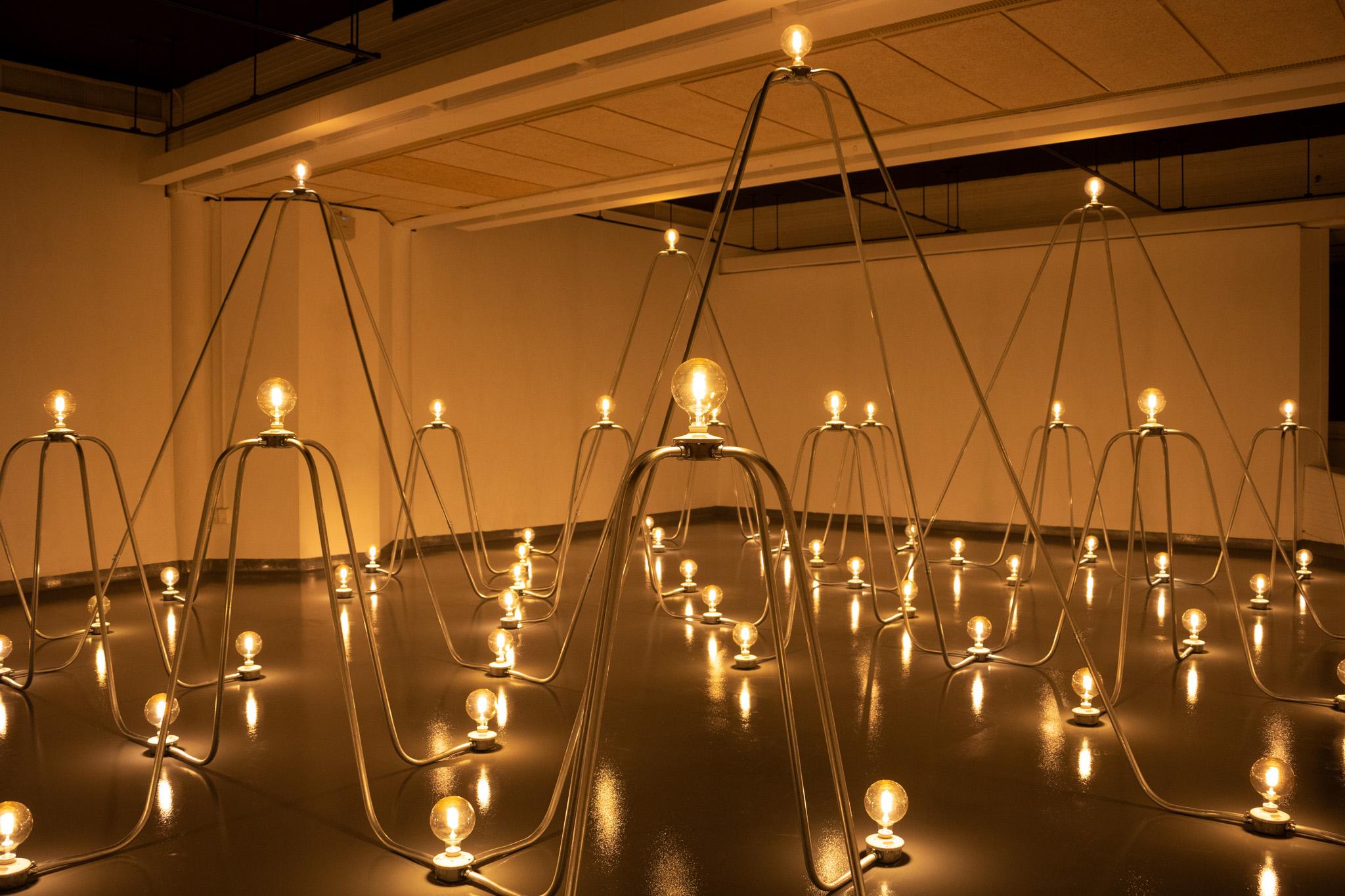
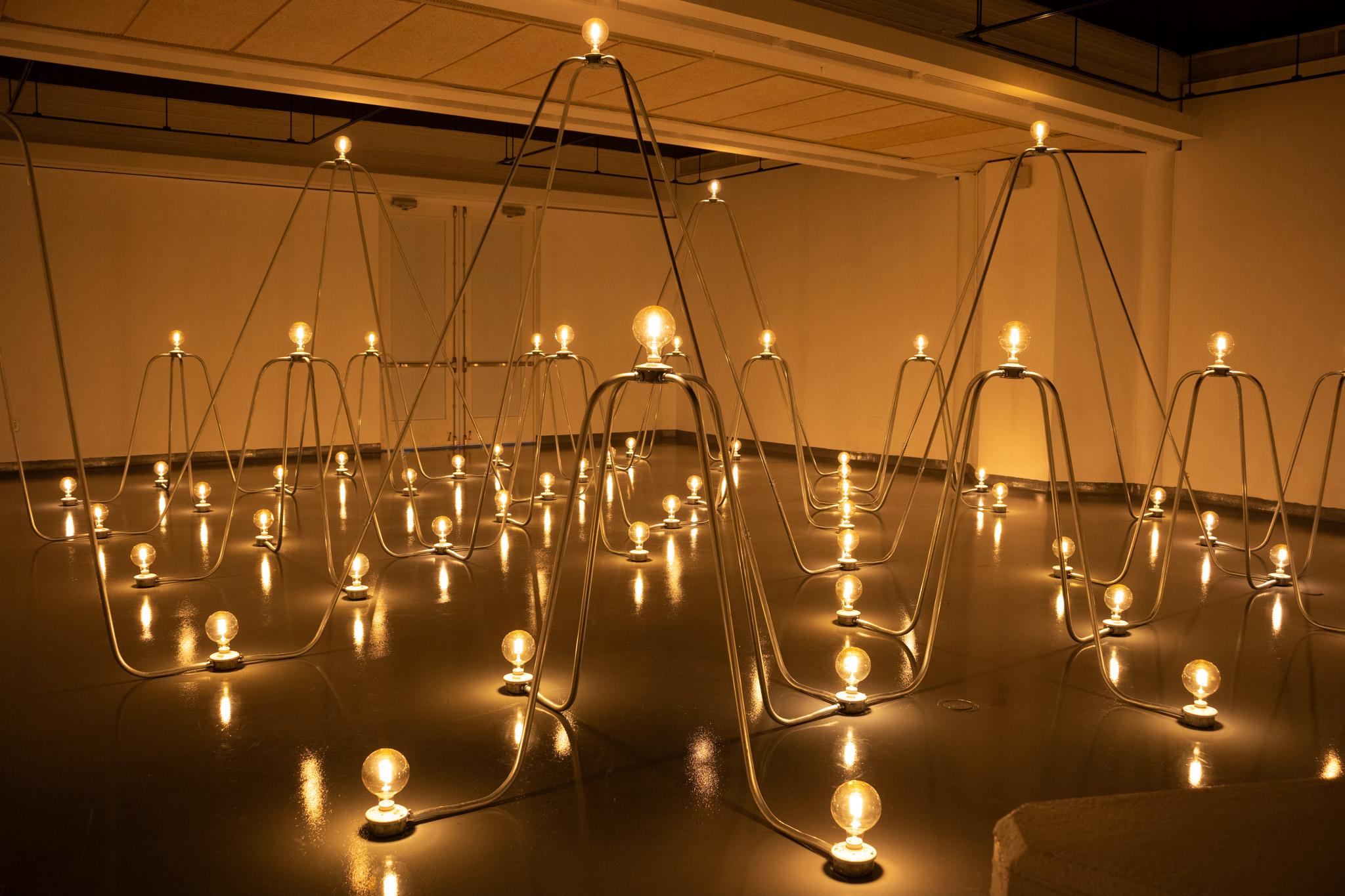
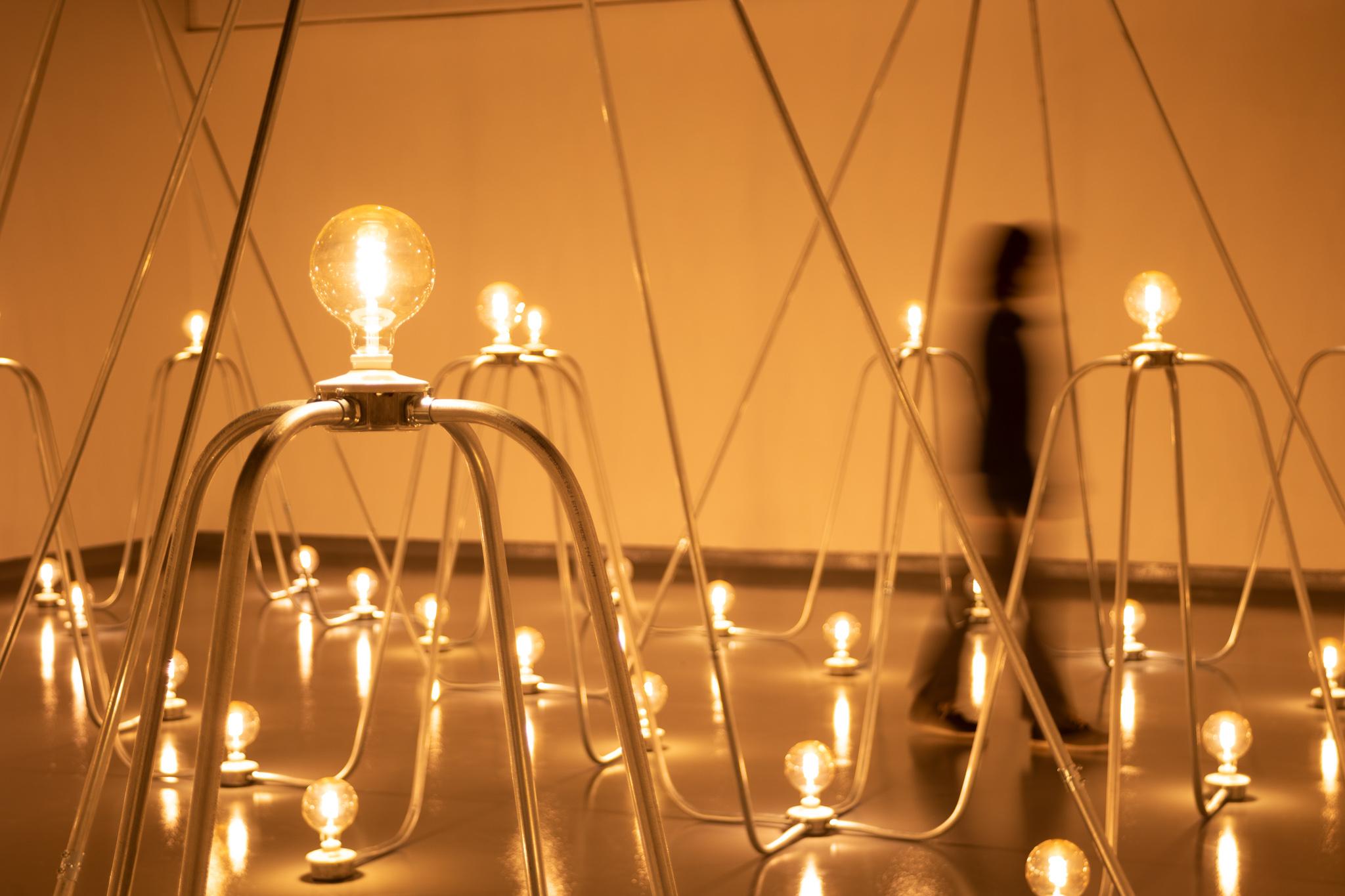
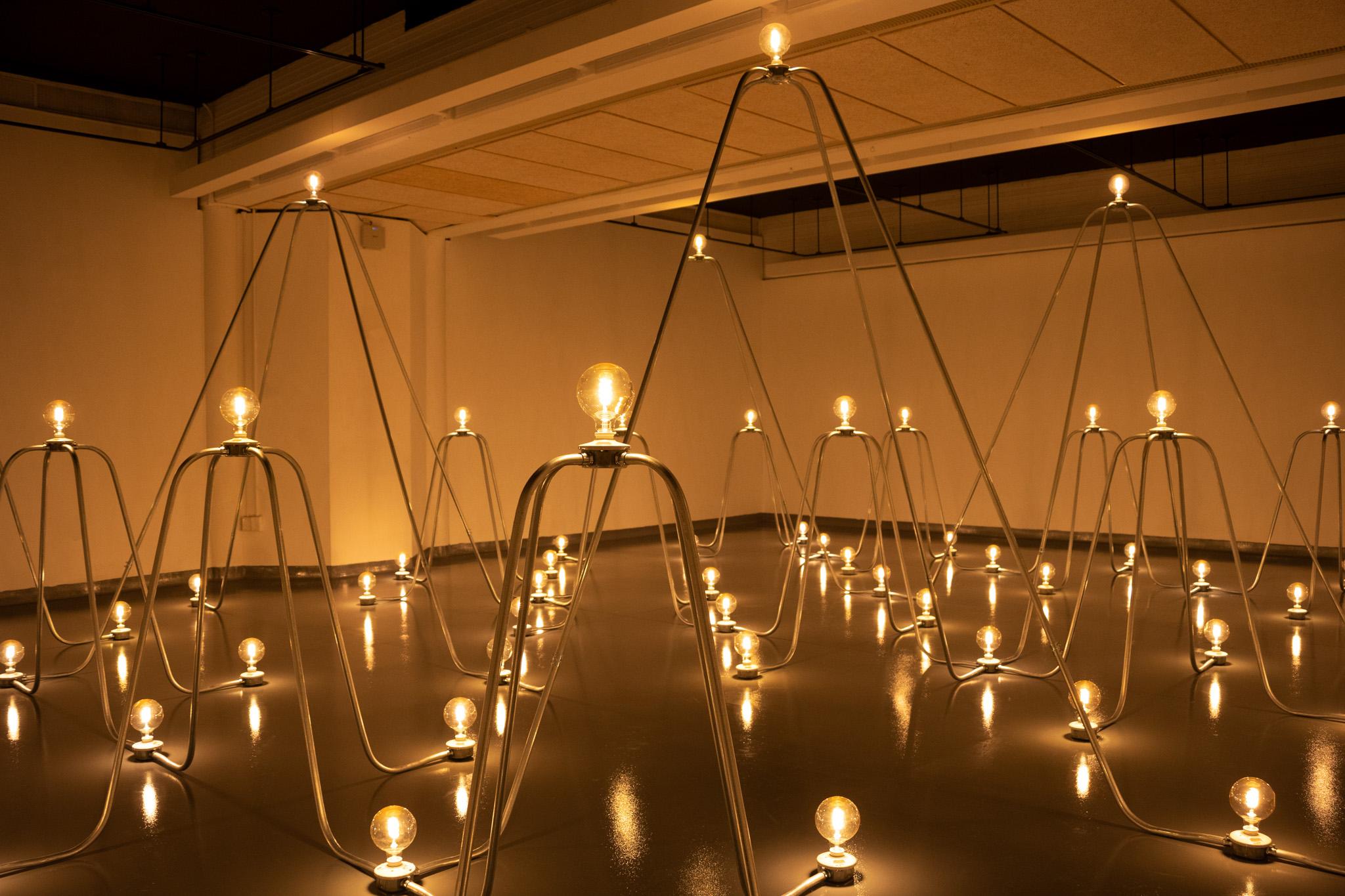
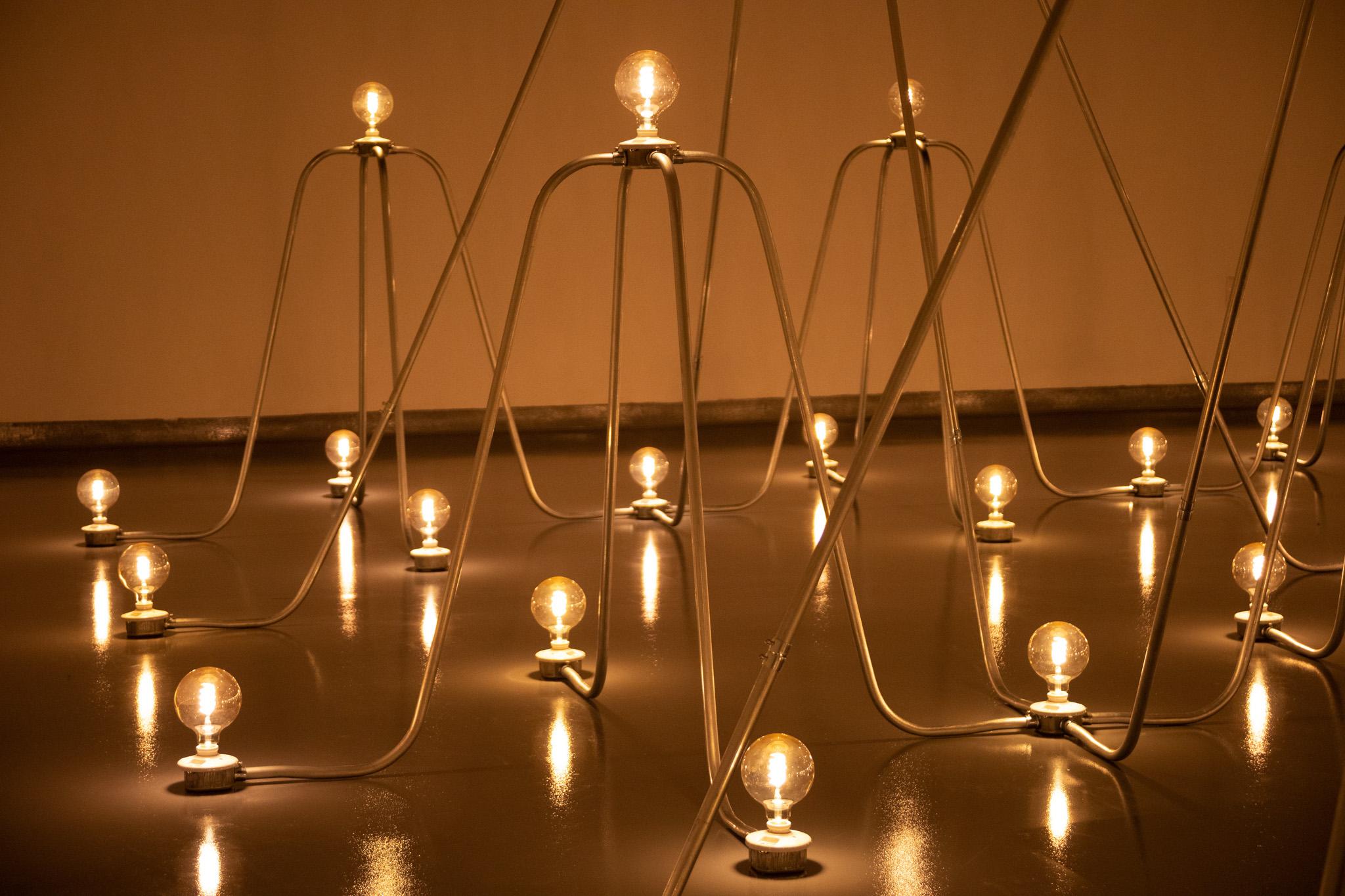
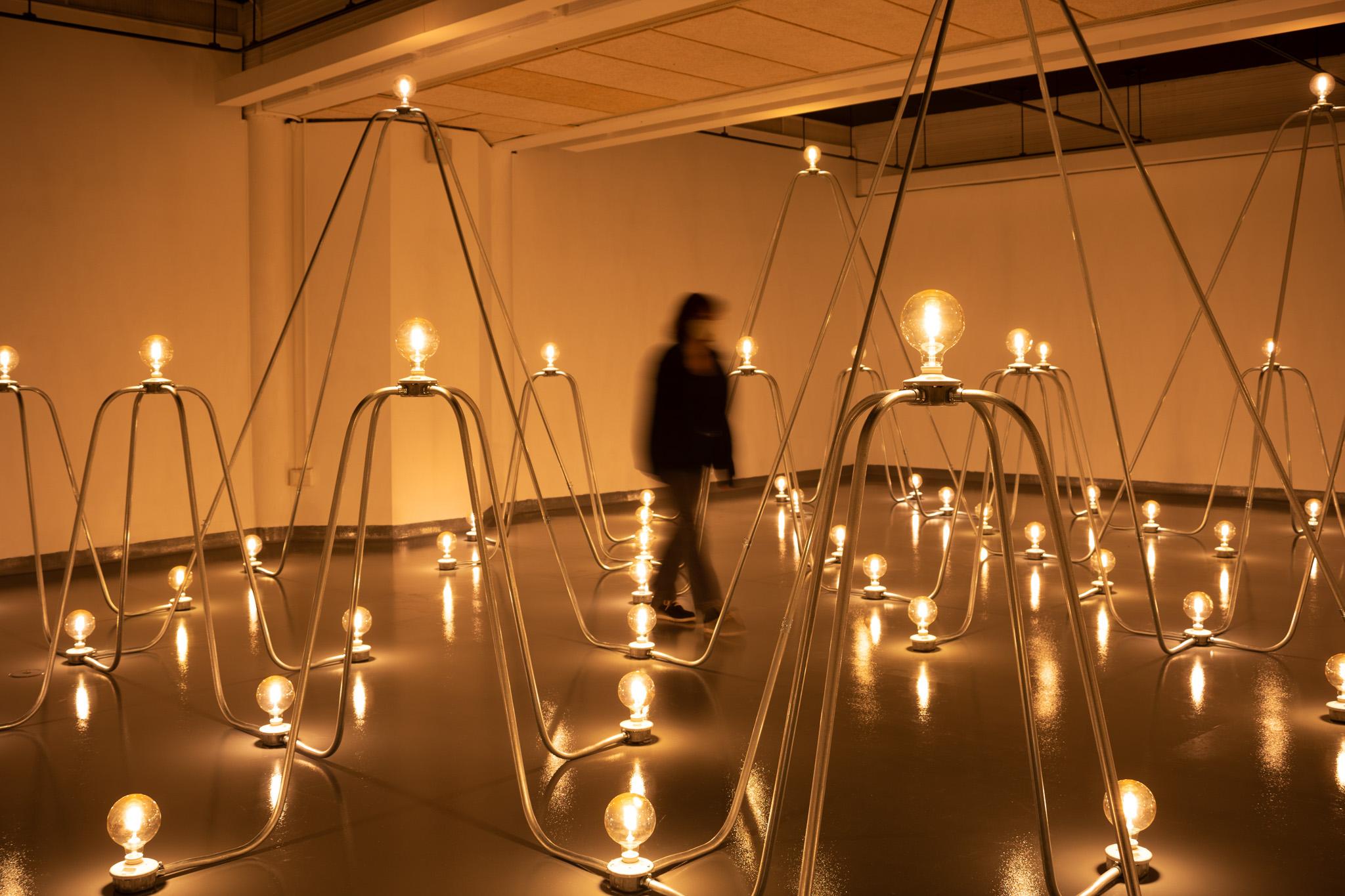
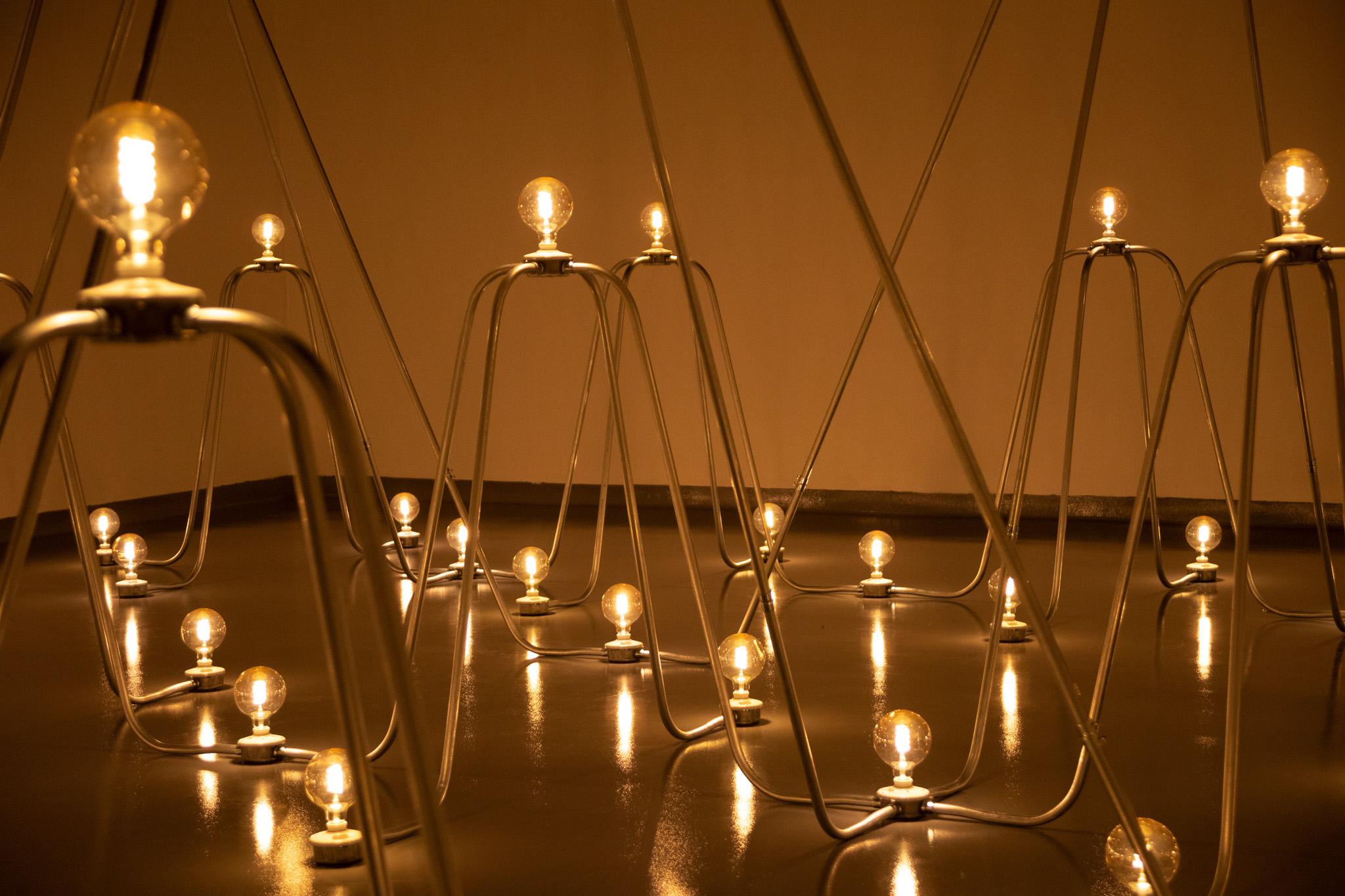
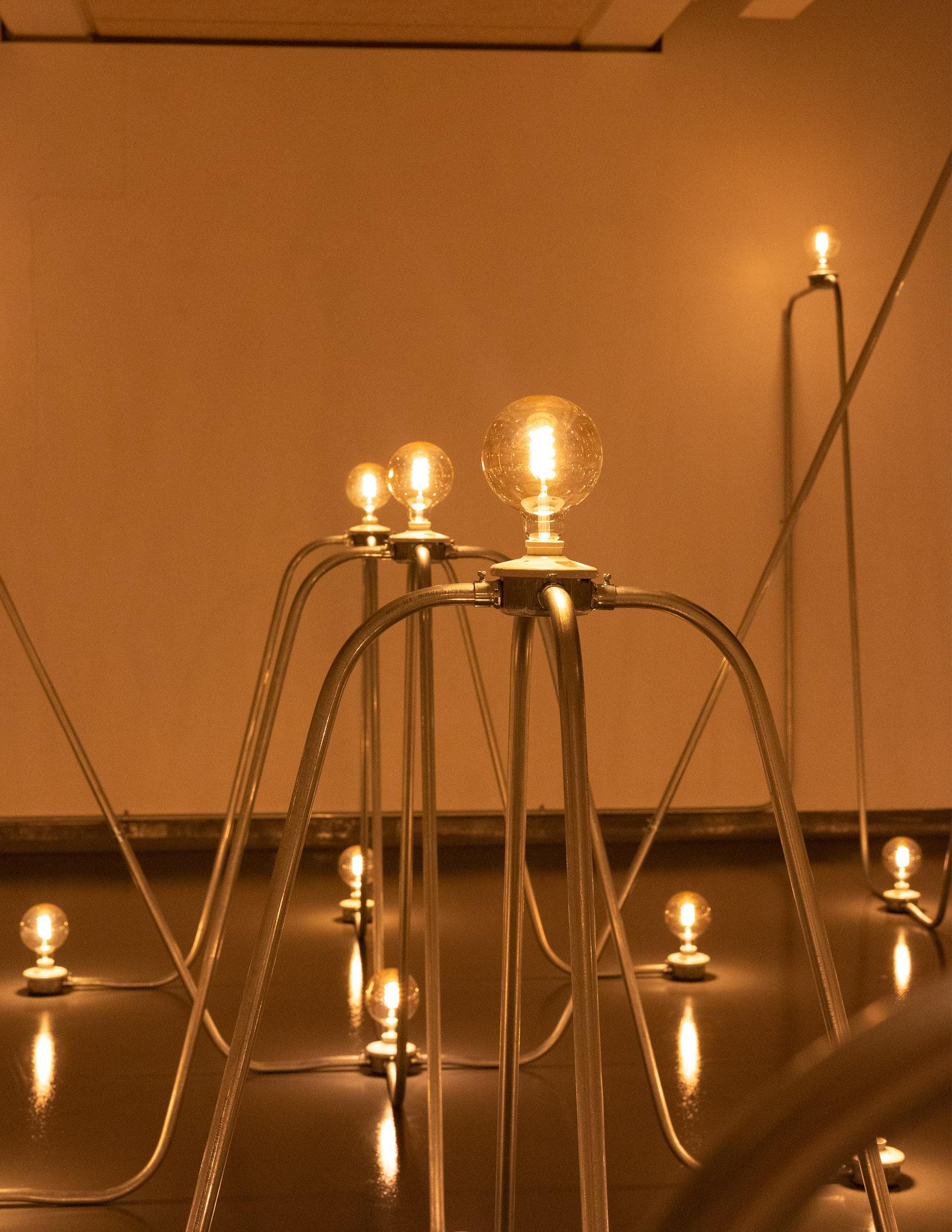
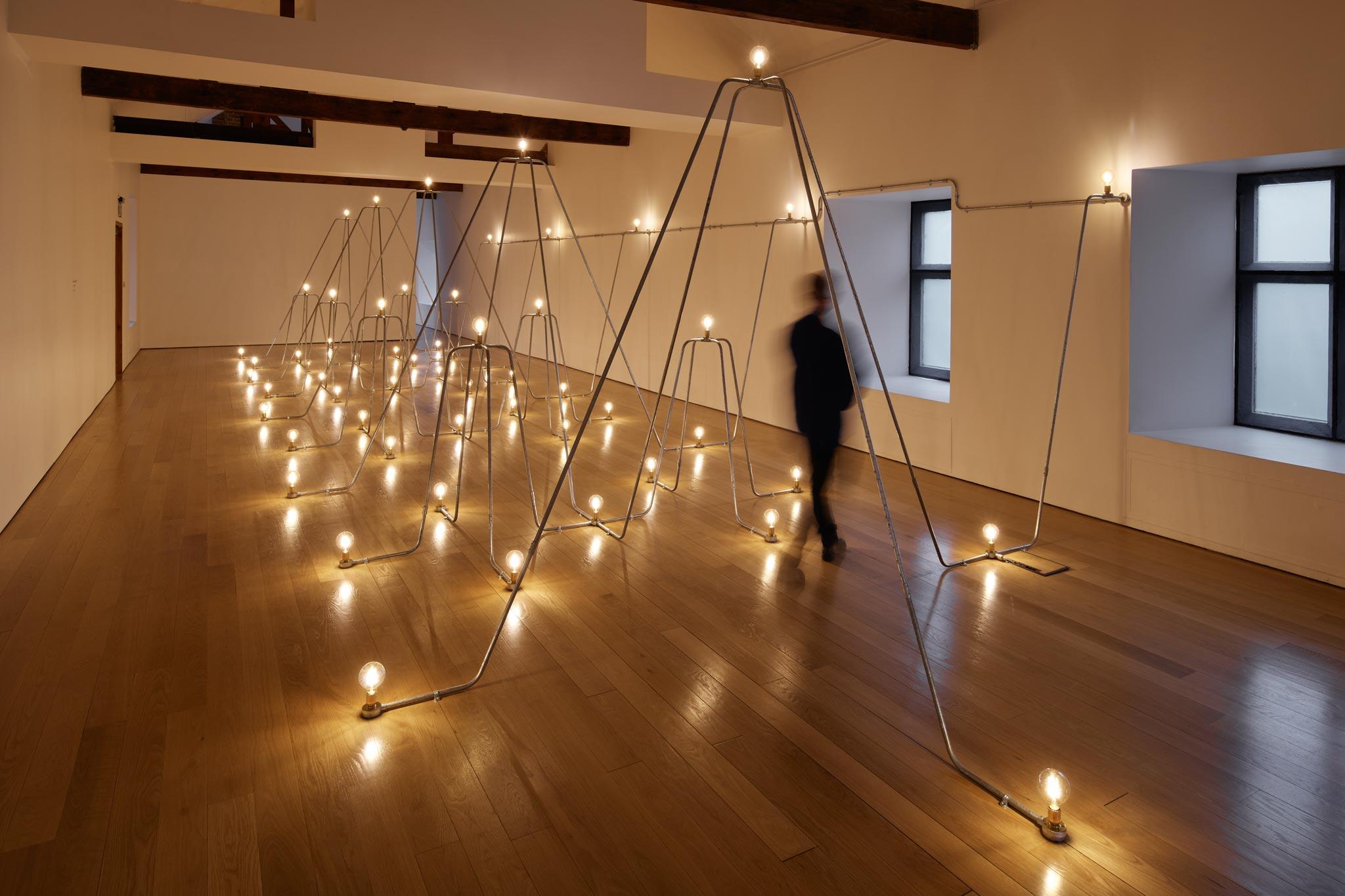
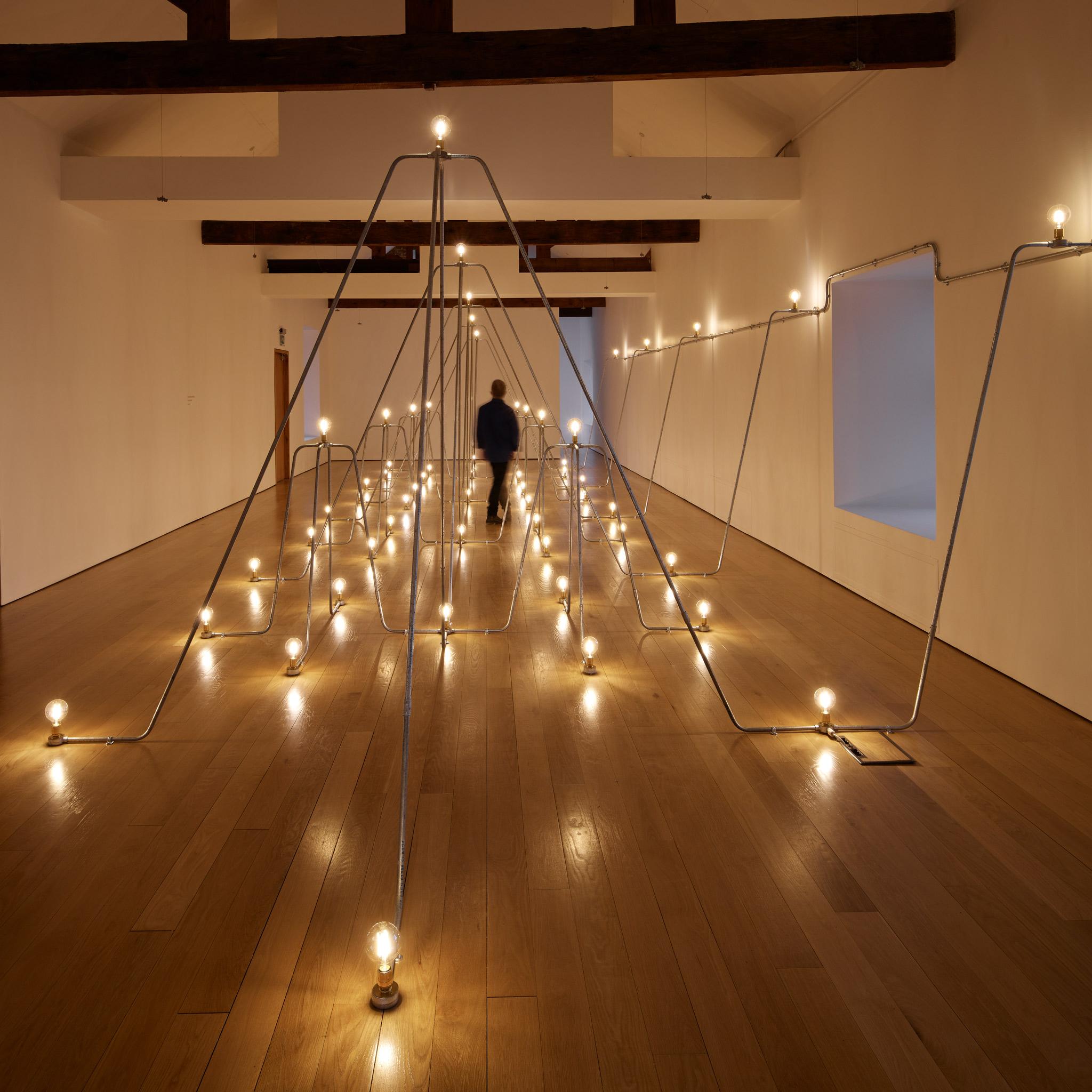
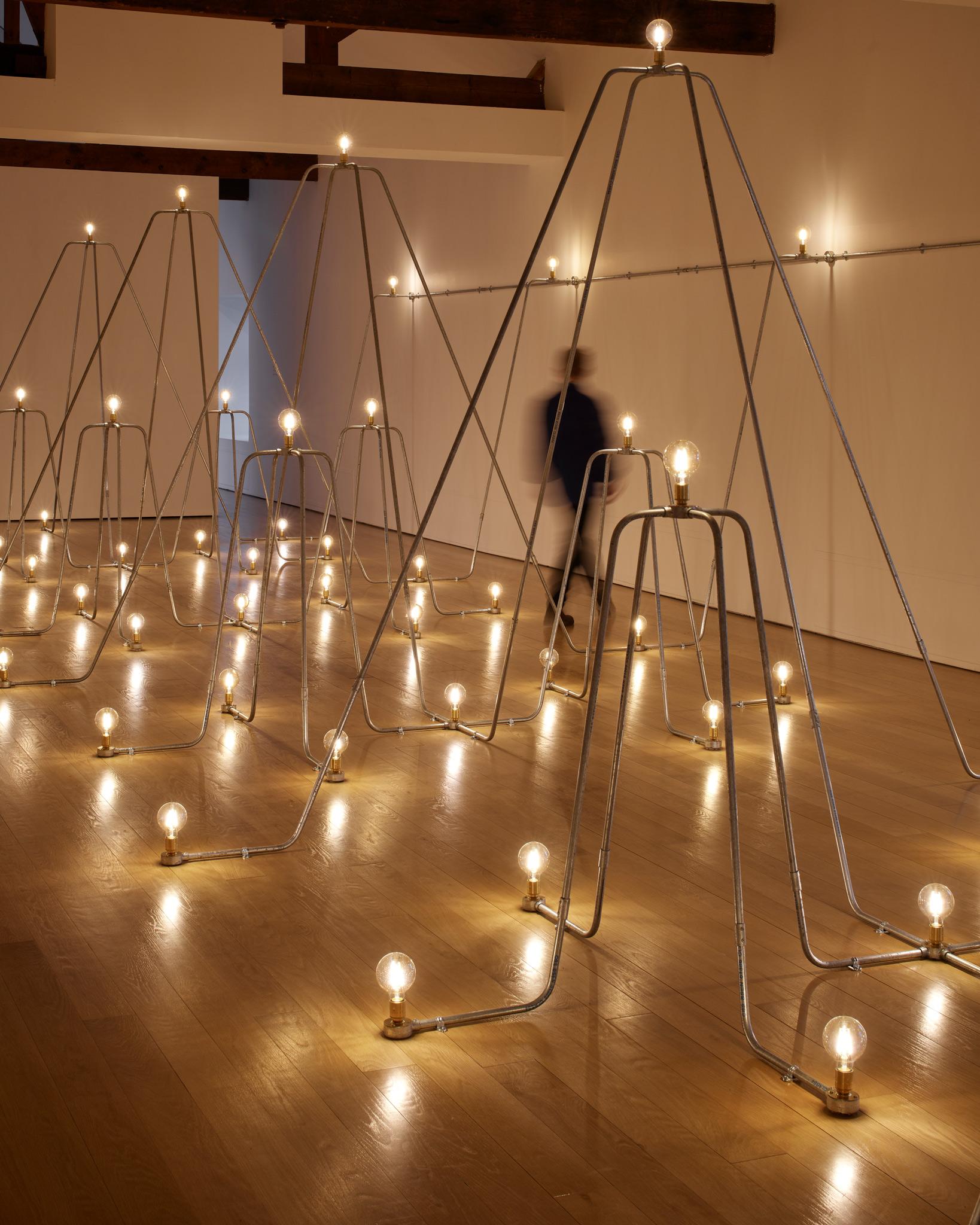
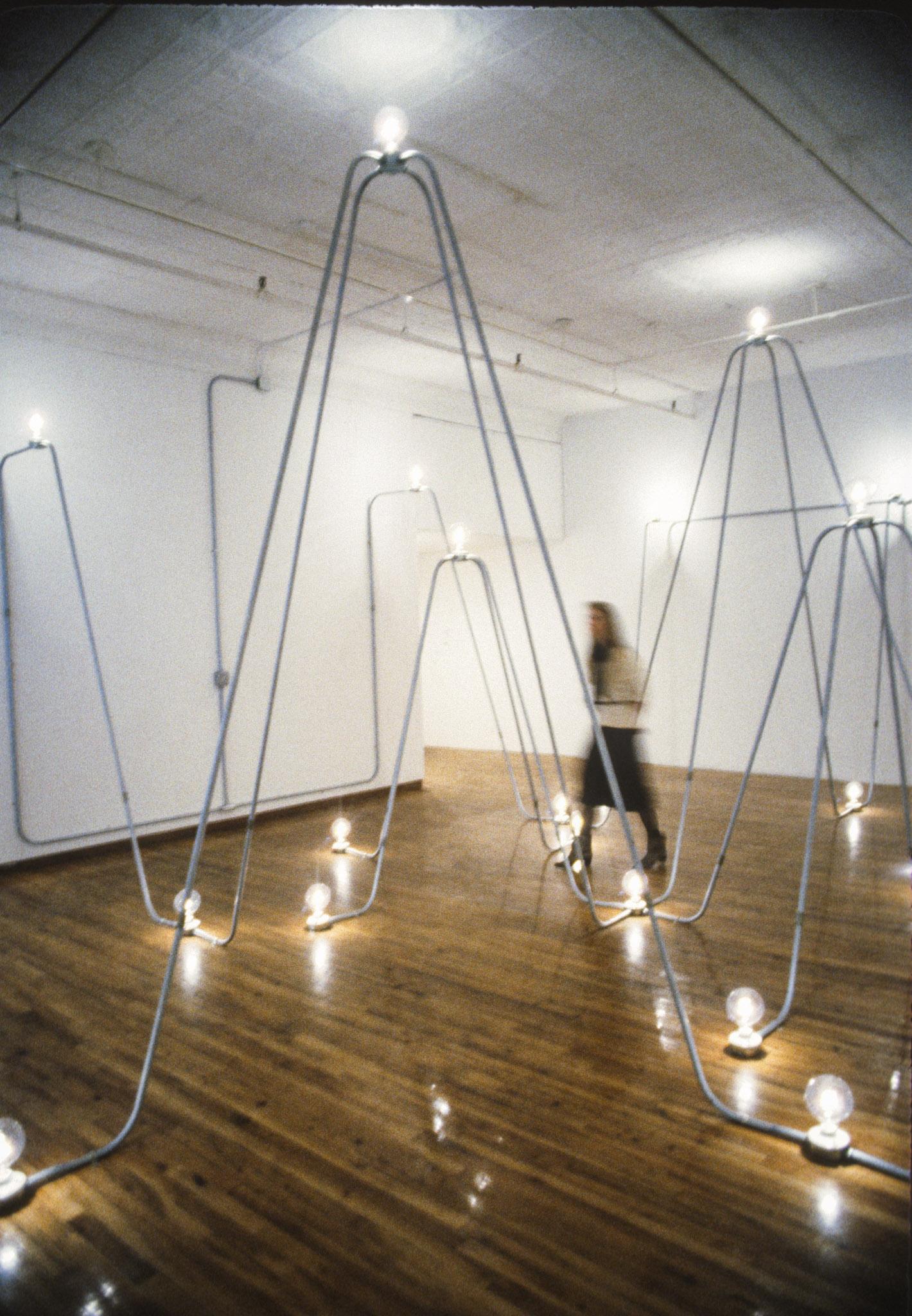
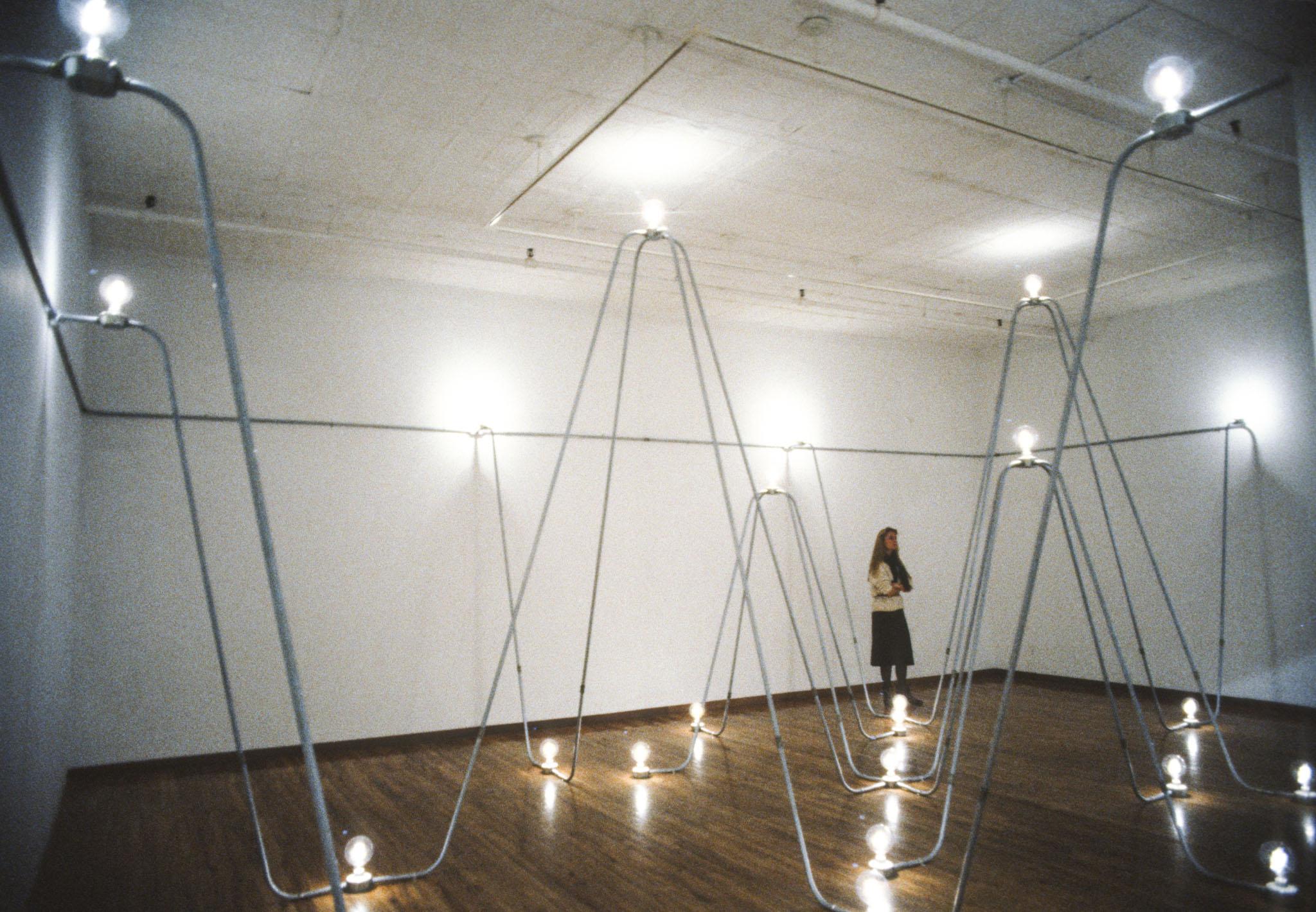
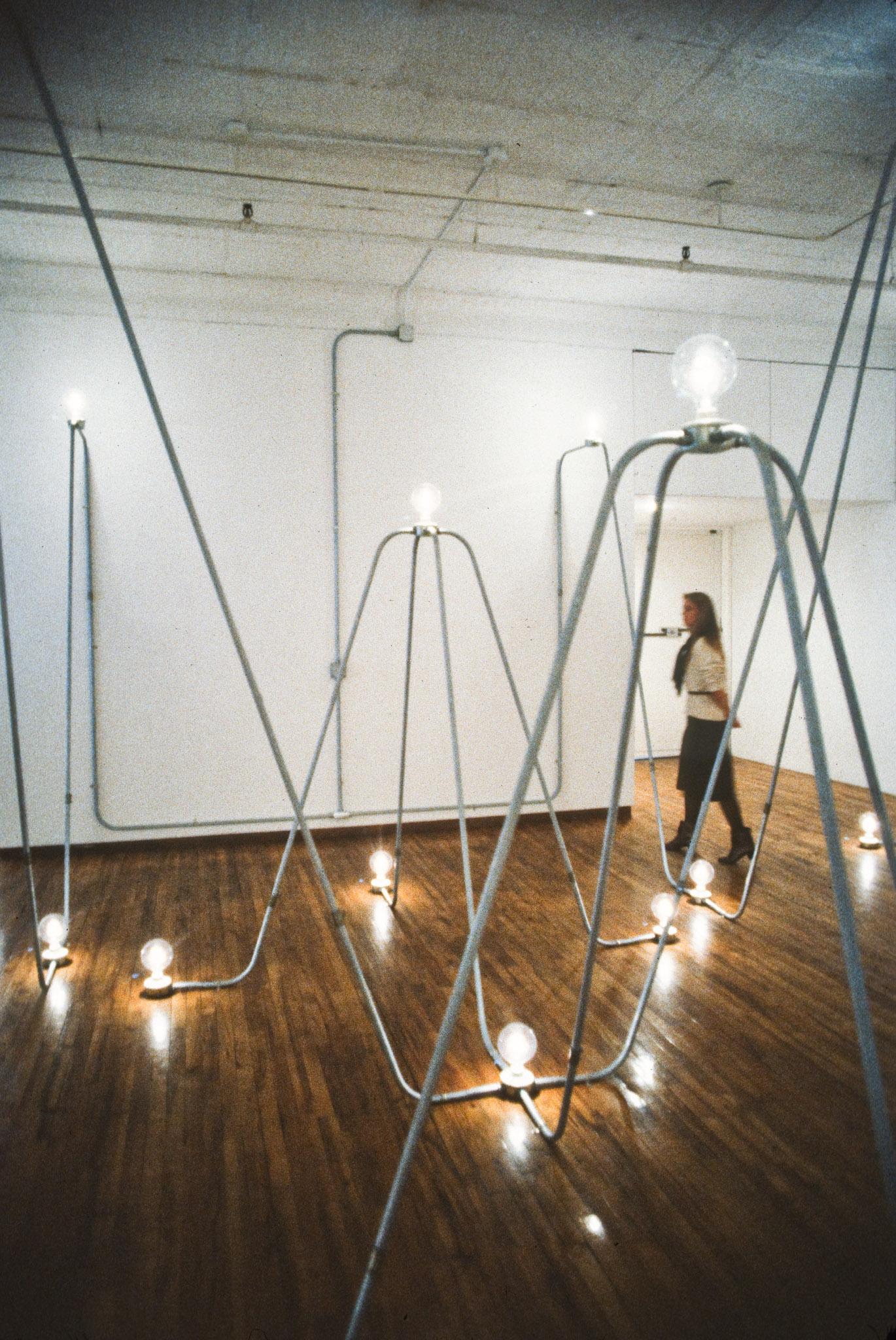
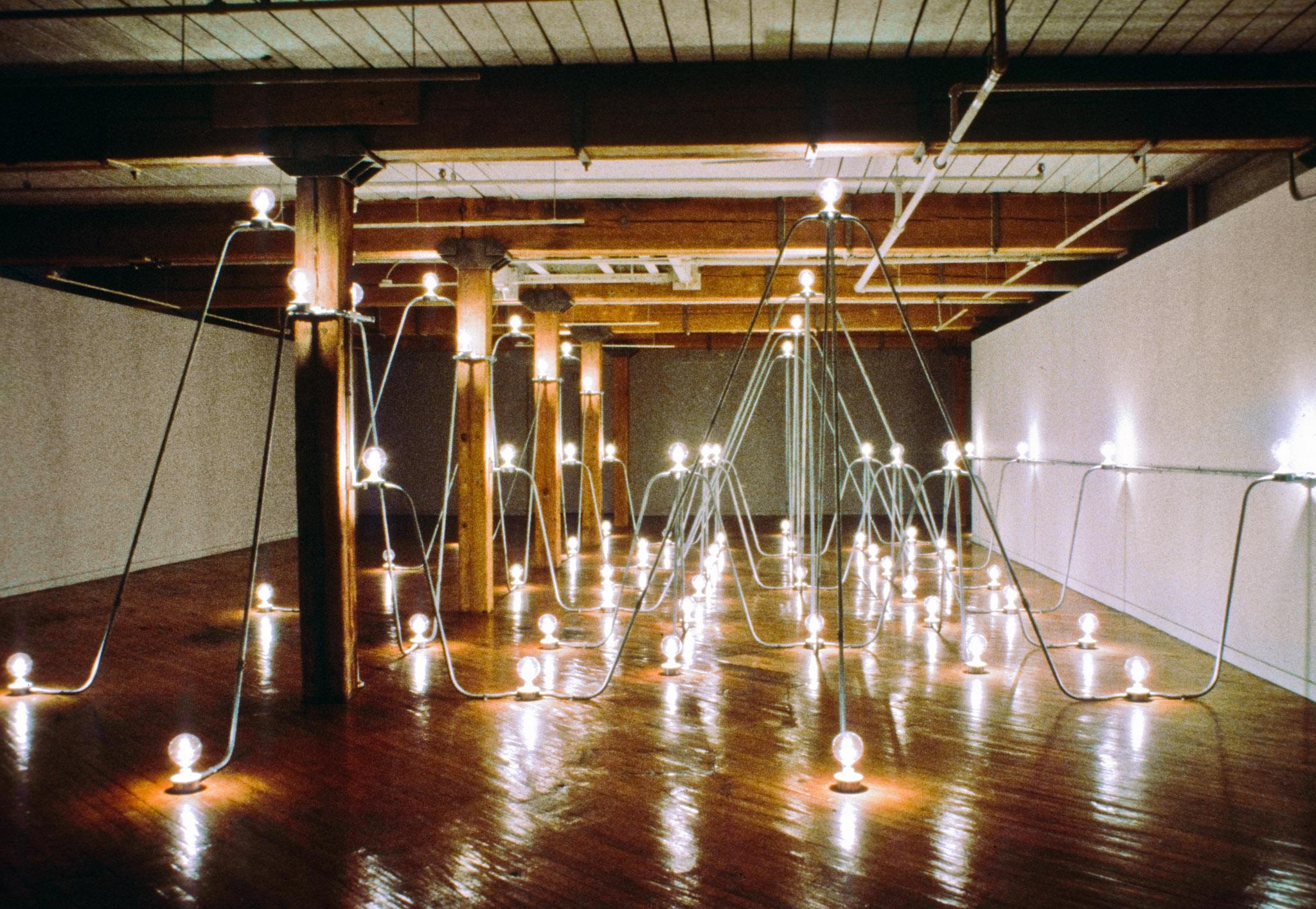
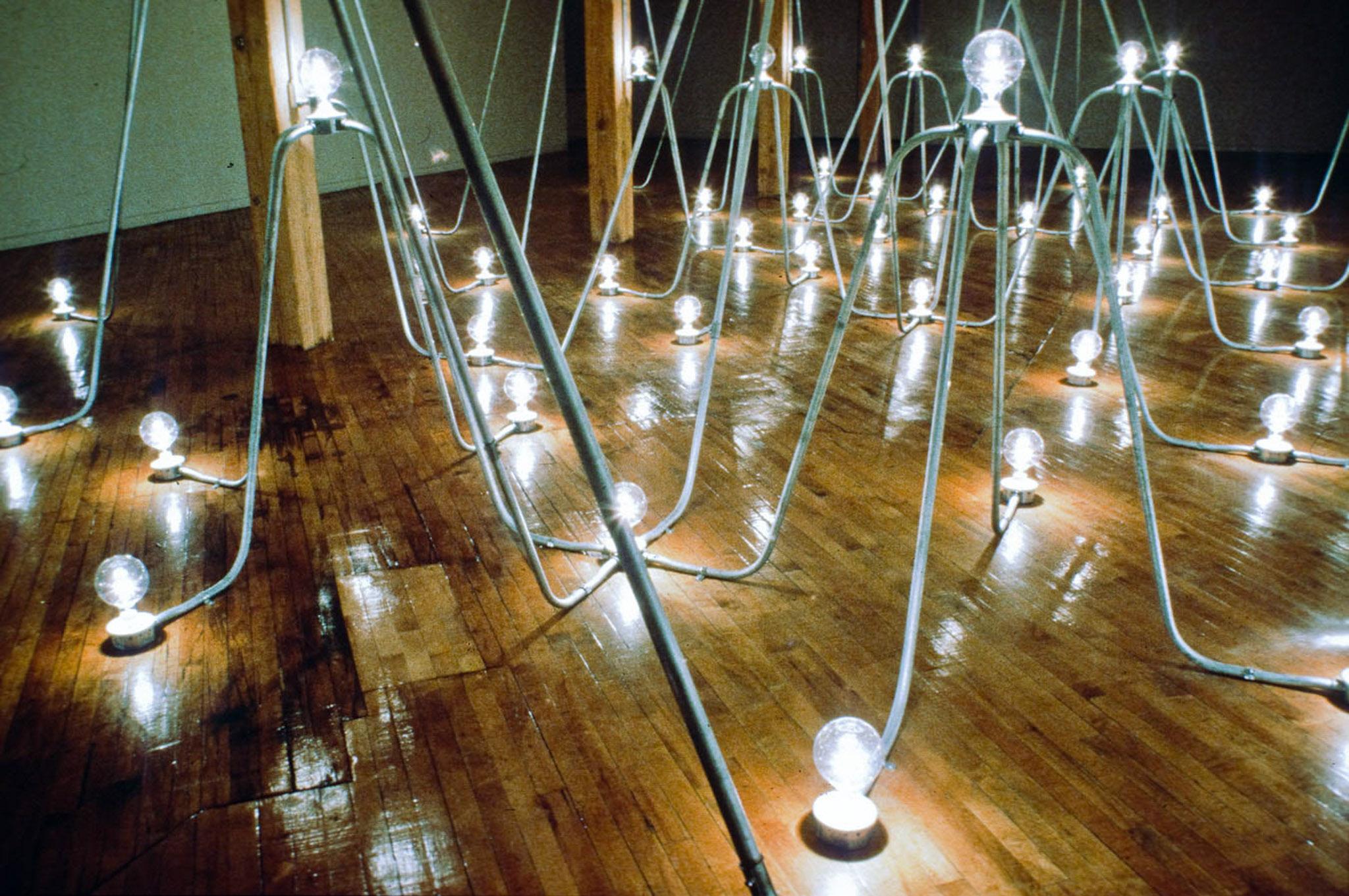
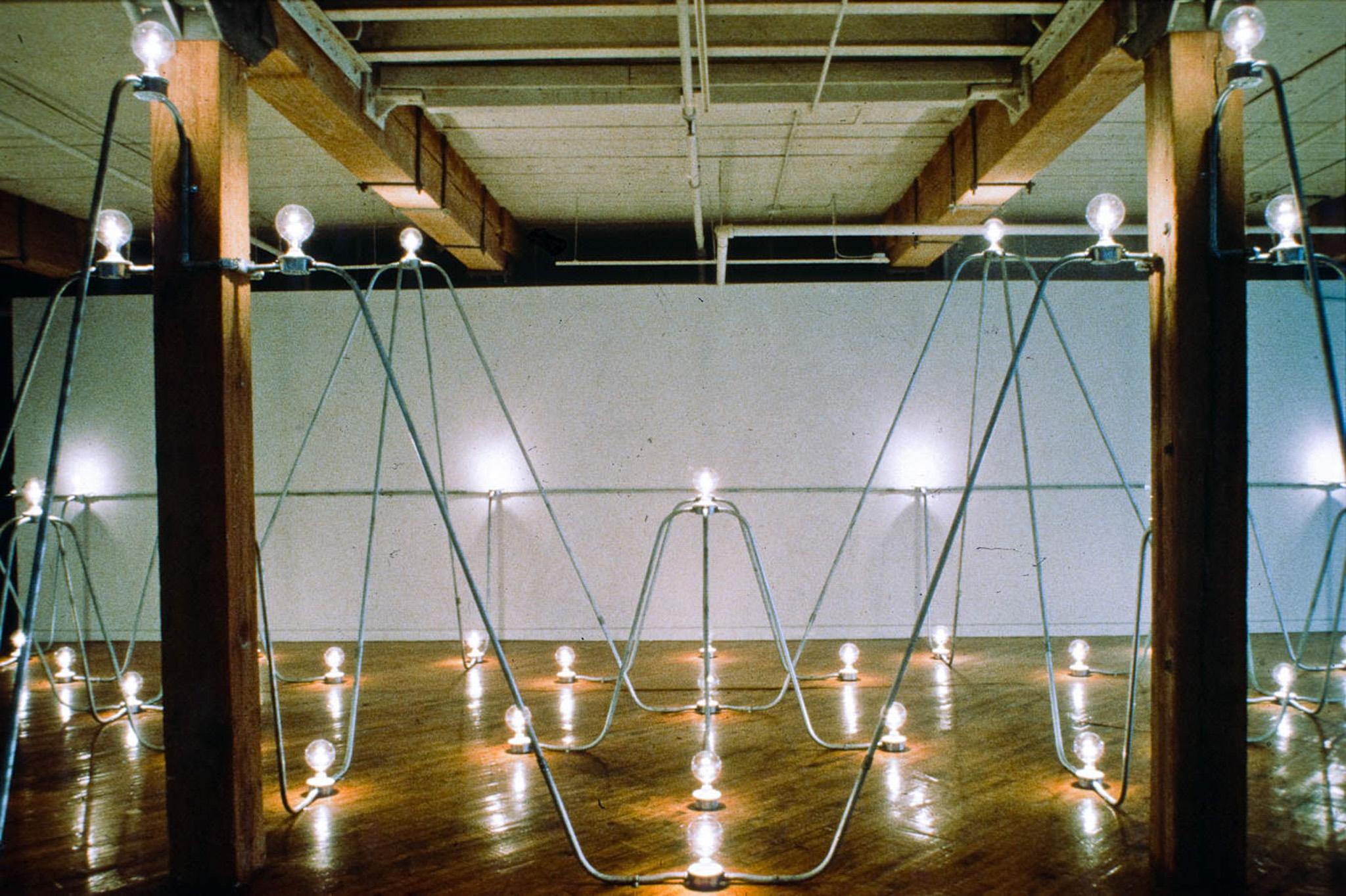
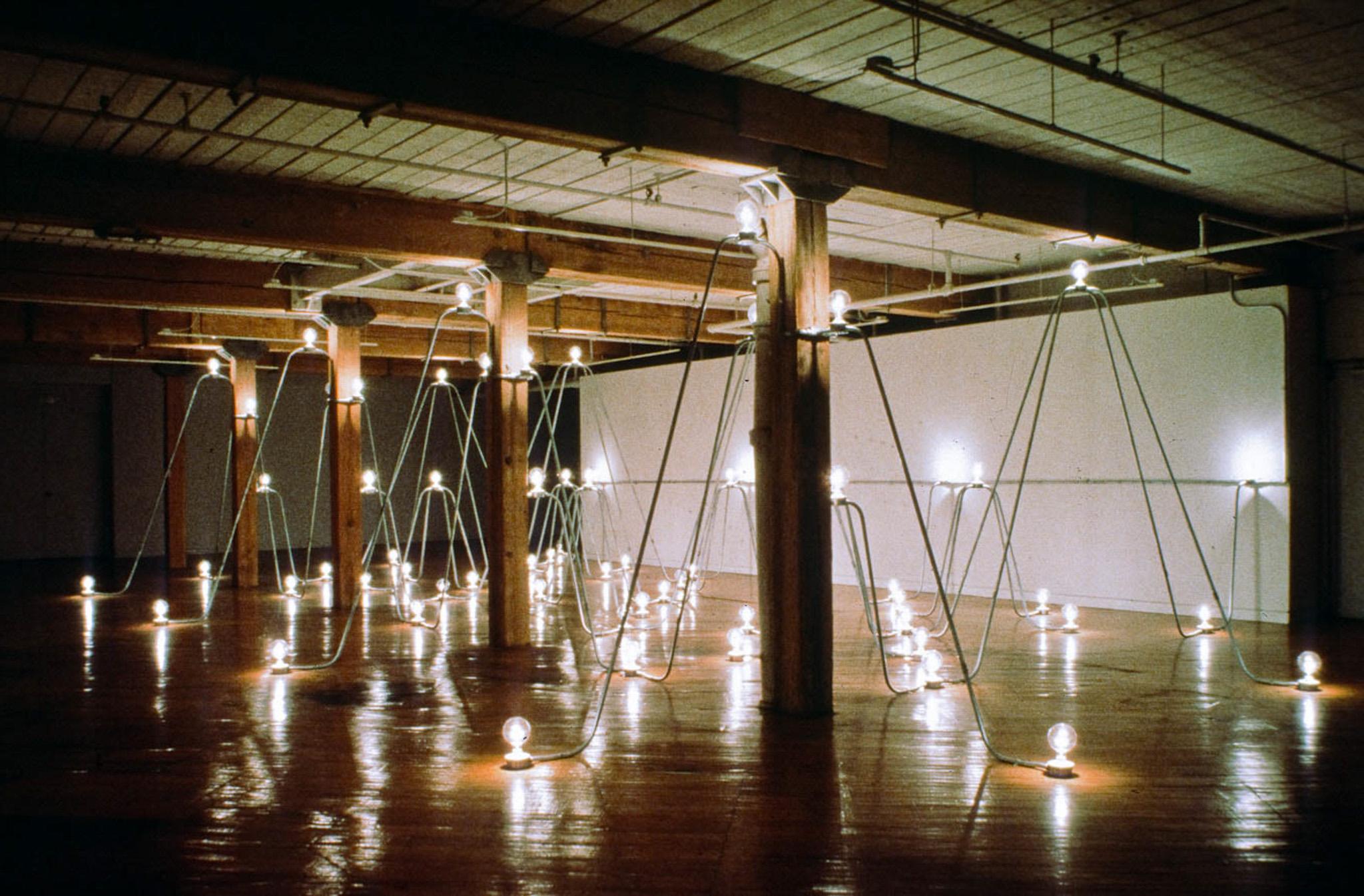
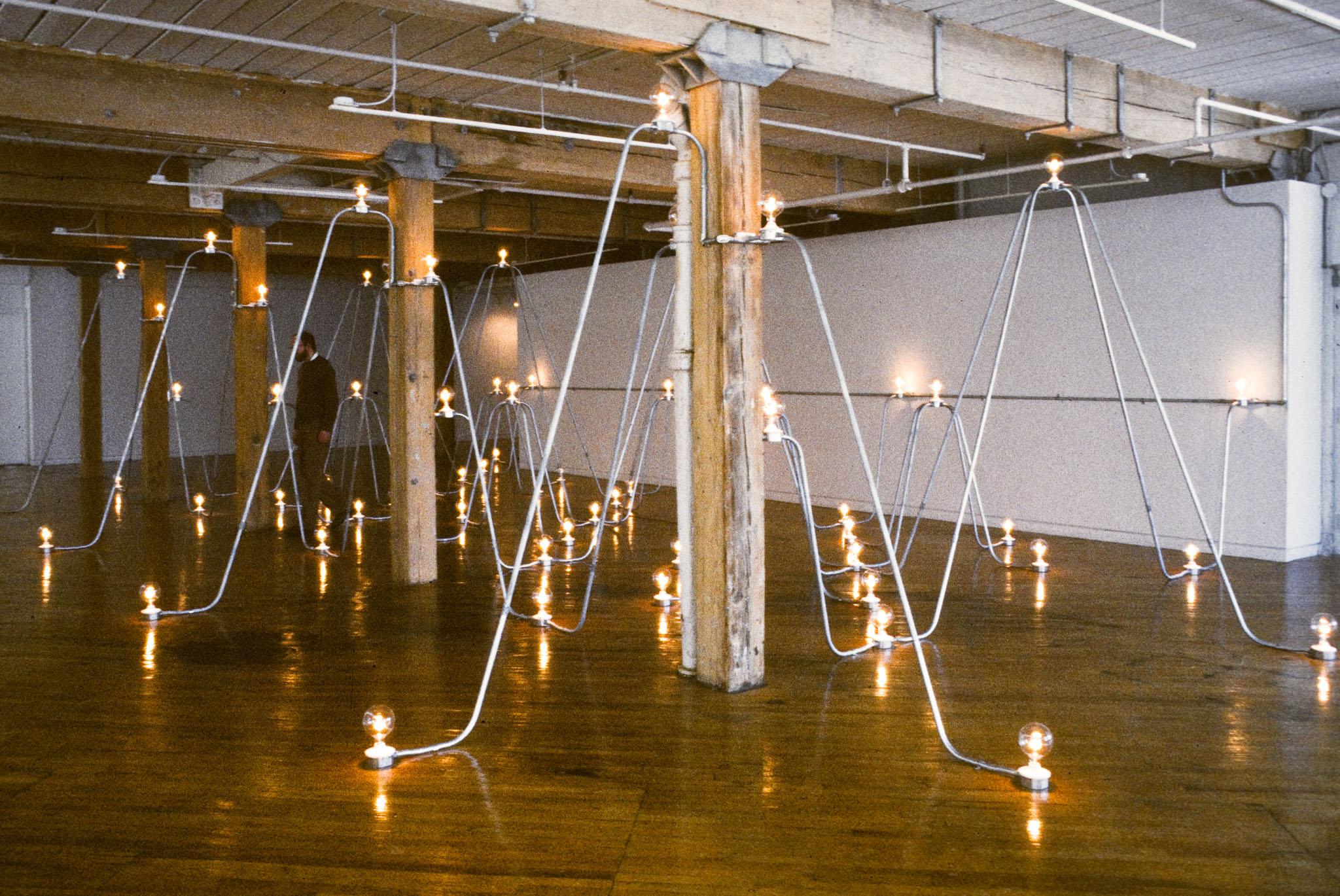
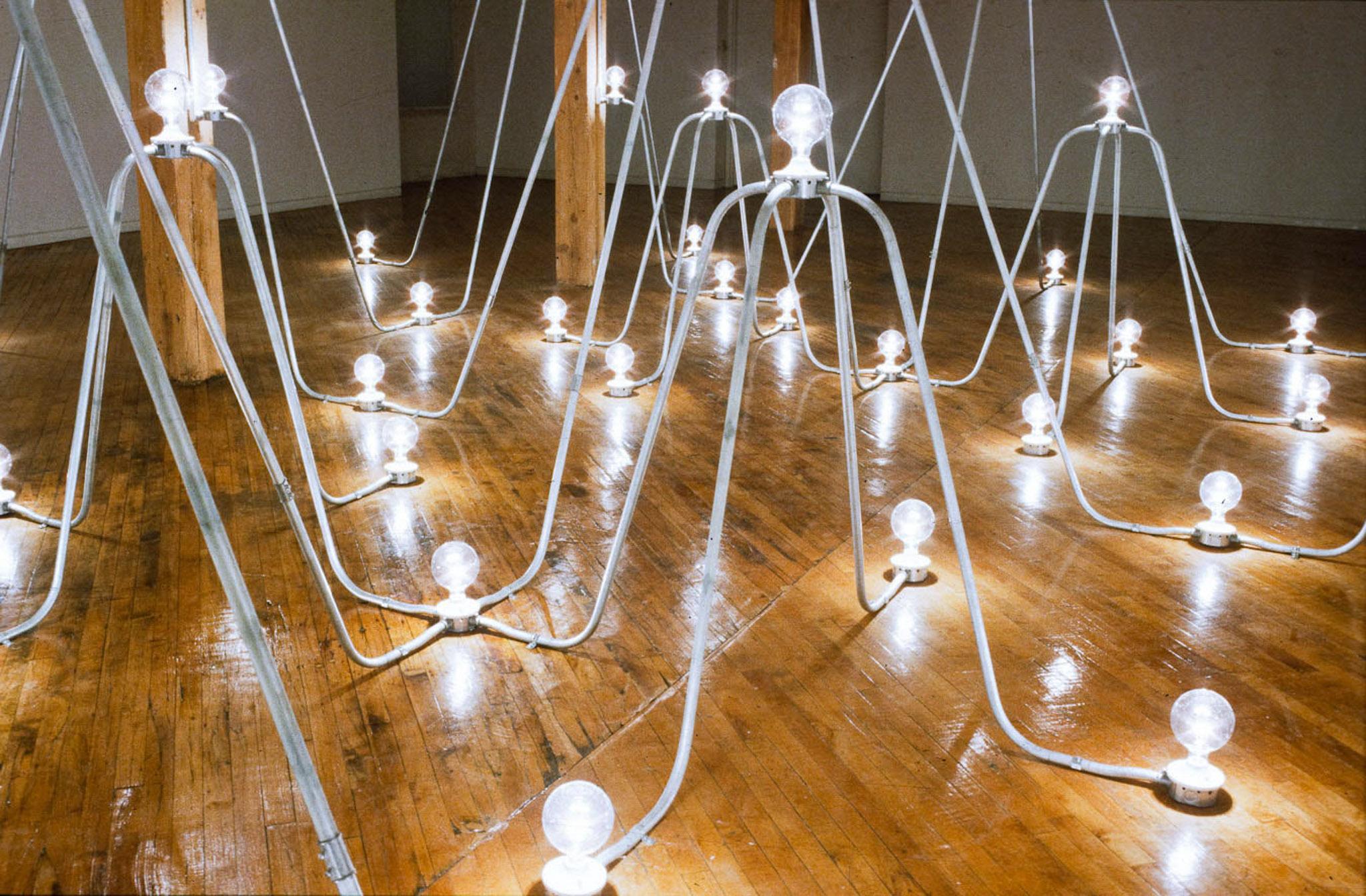
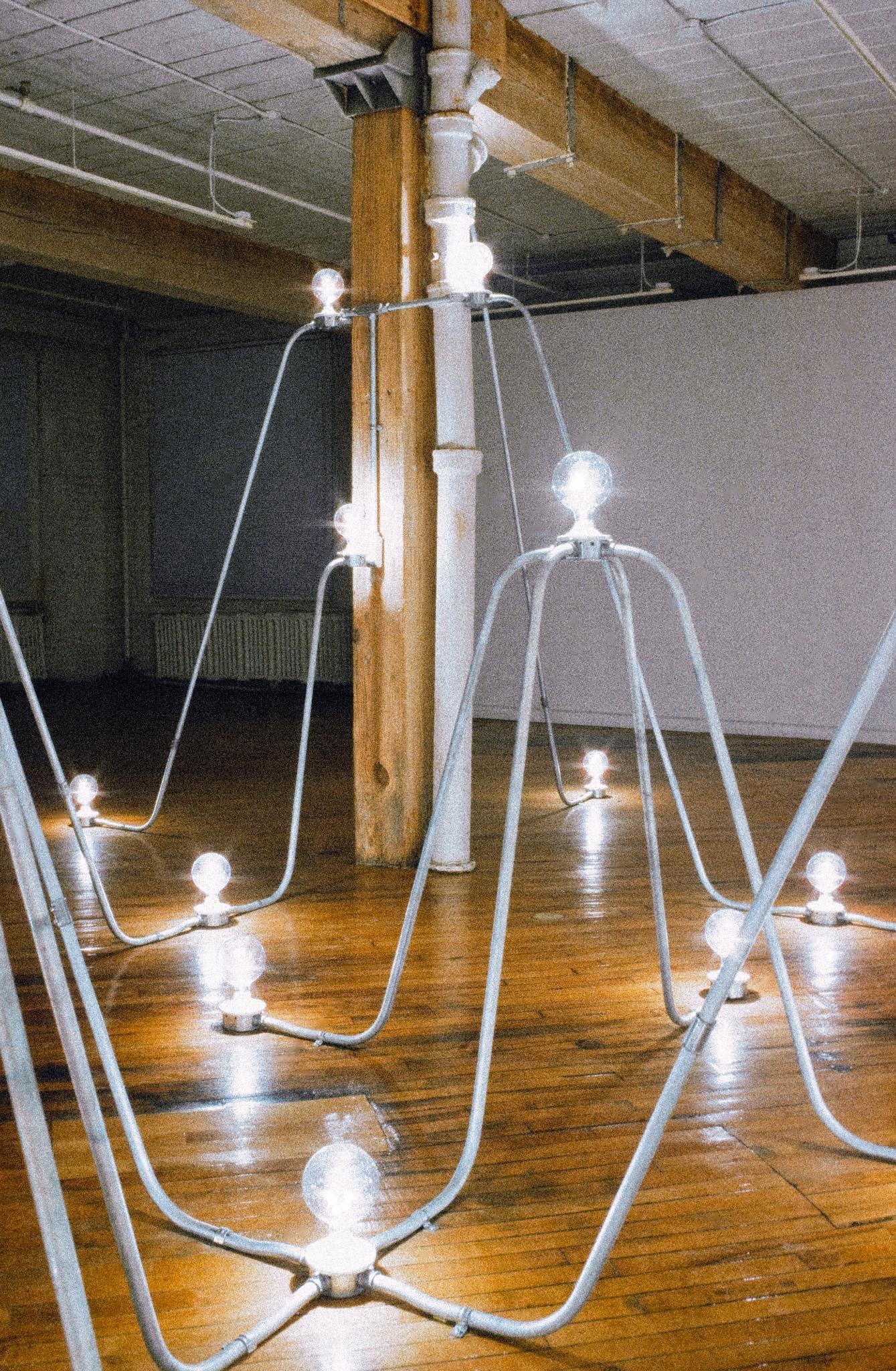
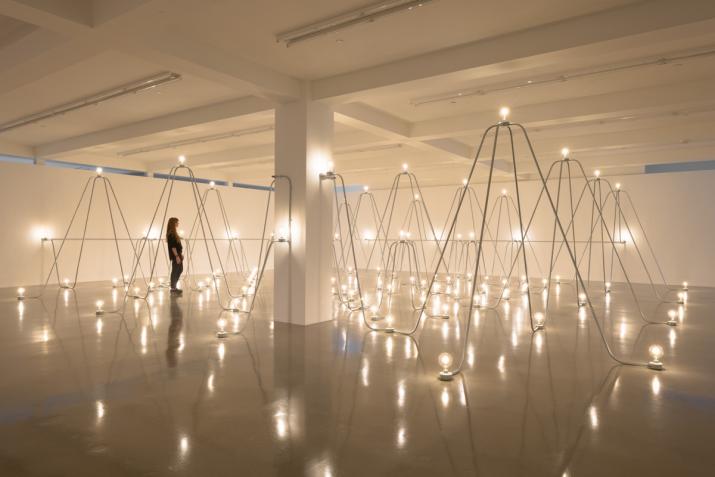
Electrical System exposes a resource so common to modern life that its visual, tangible existence often goes forgotten. The work consists of numerous lightbulbs connected by metal conduit that curves and winds around the gallery, allowing viewers to meander amongst the arches of light. Holt noted that the Greek root “technic” literally means “art.” Here we see a rudiment of modern technology, contextualized as art, inviting us to examine our relationship to that which we so effortlessly utilize—and so readily fail to see. 

Writing

Scholarly Text

Nancy Holt’s System Works: A Reflection on Research

Julia L. Alderson
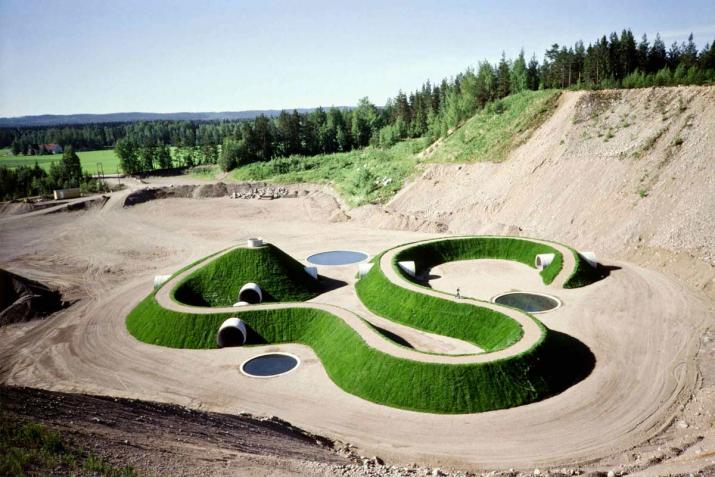
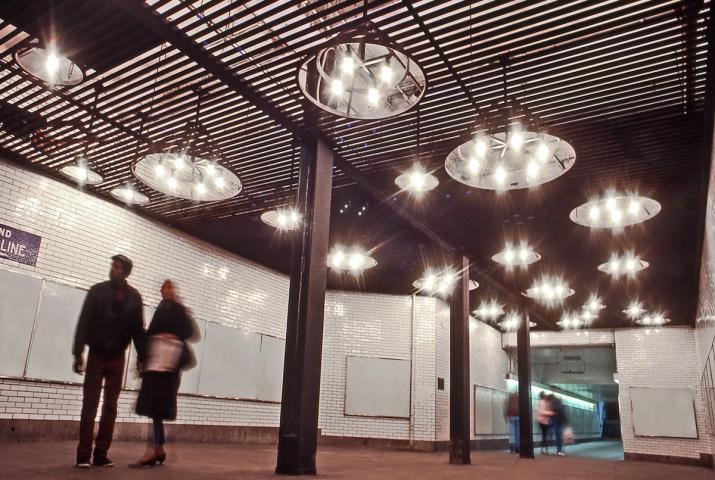
Nancy Holt began producing her System Works in the early 1980s. These installation and site-responsive projects referenced resource delivery—specifically heating, electrical, drainage, plumbing, and ventilation systems. Though aesthetically the works vary greatly, based on the specific parts and mechanics needed for the variety of systems involved, they are intimately related in their thematic intentions. Through them, Holt attempts to focus attention on devices that are considered critical for modern-day life, but that we tend to ignore, take for granted, and even disown.
Writing by the Artist

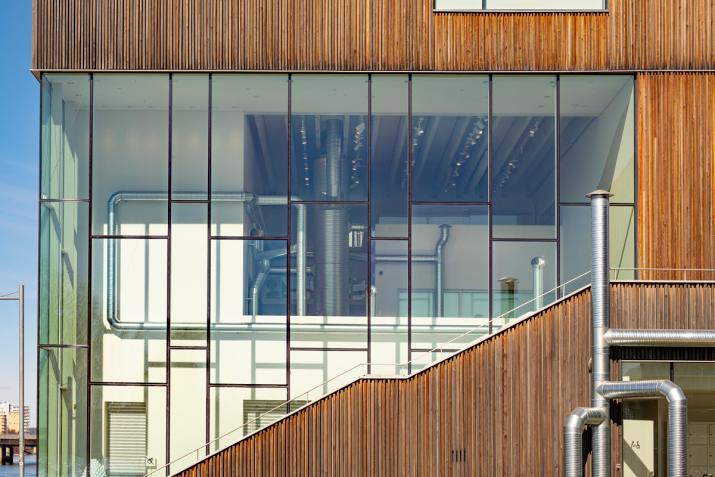
Ventilation Series

Nancy Holt
Made of the standard materials of each system – plumbing, electricity, drainage, heating, gas, and ventilation – the sculpture are functional; the electrical systems light, the heating systems heat, the drainage systems drain, the ventilation systems circulate the air, and so on.
Writing by the Artist

Notes on Heating System Works

Nancy Holt
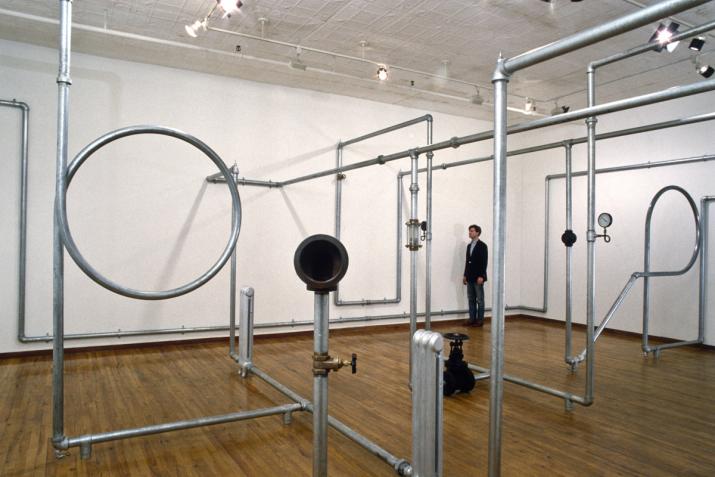
Both Hot Water Heat (1984), exhibited at the John Weber Gallery in New York, and Flow Ace Heating (1985), shown at the Flow Ace Gallery (now Ace Gallery), Los Angeles, are room-size networks of pipes, gauges, and radiators, which function as the only hot-water heating systems for their spaces. The pipes loop around, and at the Flow Ace Gallery, the network of pipes extends in and out of three gallery rooms. As soon as people enter the gallery, they become enveloped in the structure of the work, the channeled water flowing all around them.
Scholarly Text

Related Info

See Also