Broken Circle and Spiral Hill: having entropy the Dutch way
“This is a major work, I want to have good reproductions in magazines. I want the piece to remain forever. Please help!”
Robert Smithson, Broken Circle/SpiralHill (1971)
Emmen, The Netherlands
Broken Circle
Water, sand, and boulder
Diameter: 140 ft. (42.6 m); canal: 12 ft. (3.6 m) wide, 10-15 ft. (3-4.5 m) deep
Spiral Hill
Earth, topsoil, sand
Diameter: 75 ft. (22.9 m) at base
Photograph: Robert Smithson
© Holt/Smithson Foundation / Licensed by Artists Rights Society, New York
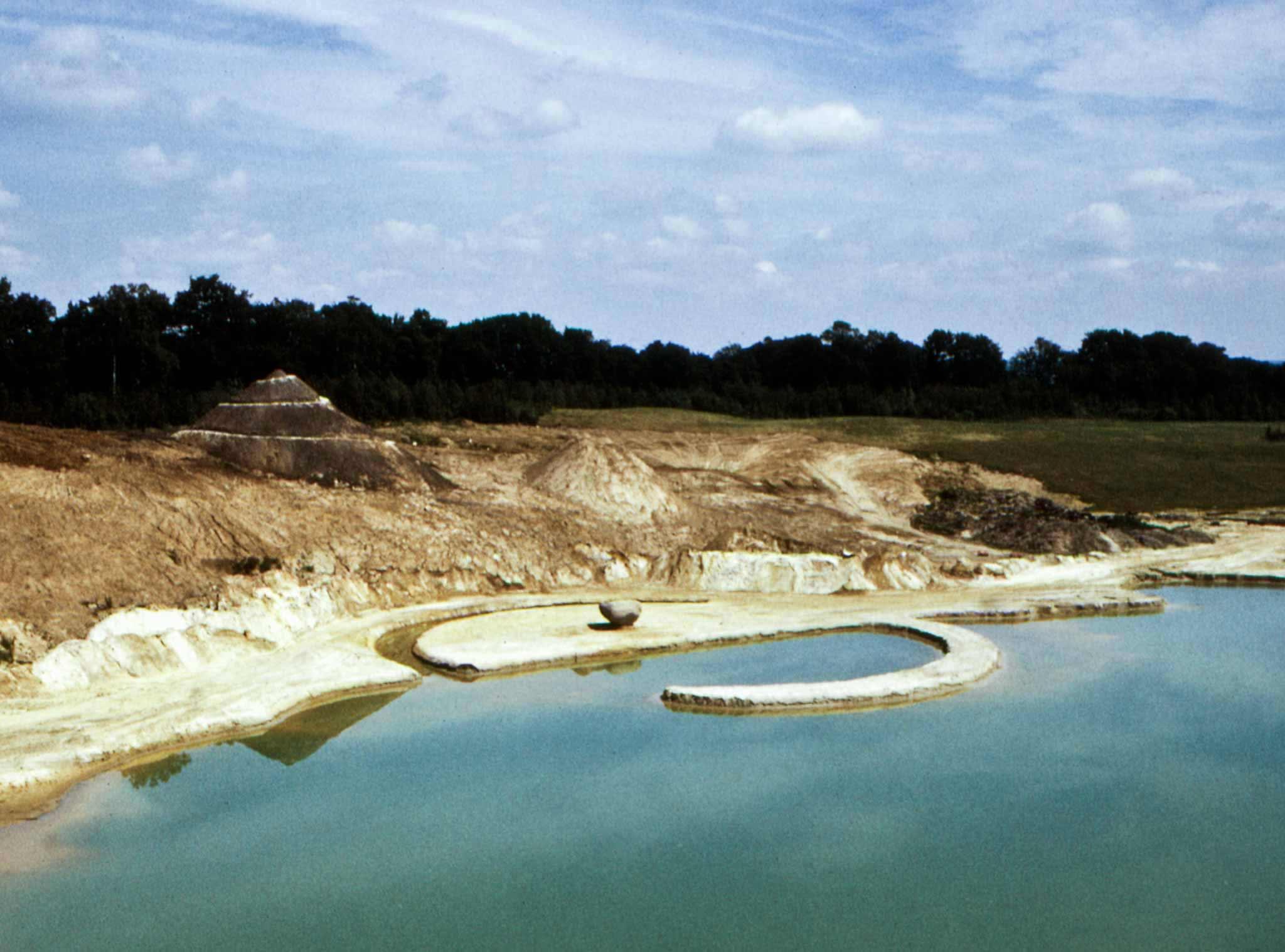
Robert Smithson, Broken Circle/SpiralHill (1971)
Emmen, The Netherlands
Broken Circle
Water, sand, and boulder
Diameter: 140 ft. (42.6 m); canal: 12 ft. (3.6 m) wide, 10-15 ft. (3-4.5 m) deep
Spiral Hill
Earth, topsoil, sand
Diameter: 75 ft. (22.9 m) at base
Photograph: Robert Smithson
© Holt/Smithson Foundation / Licensed by Artists Rights Society, New York
A view of Broken Circle/Spiral Hill in 2021.
Robert Smithson, Broken Circle/Spiral Hill (1971)
Emmen, The Netherlands
Broken Circle
Water, sand, and boulder
Diameter: 140 ft. (42.6 m); canal: 12 ft. (3.6 m) wide, 10-15 ft. (3-4.5 m) deep
Spiral Hill
Earth, topsoil, sand
Diameter: 75 ft. (22.9 m) at base
Photograph: Roelie Lubbers / Land Art Contemporary, 2021
© Holt/Smithson Foundation / Licensed by Artists Rights Society, New York
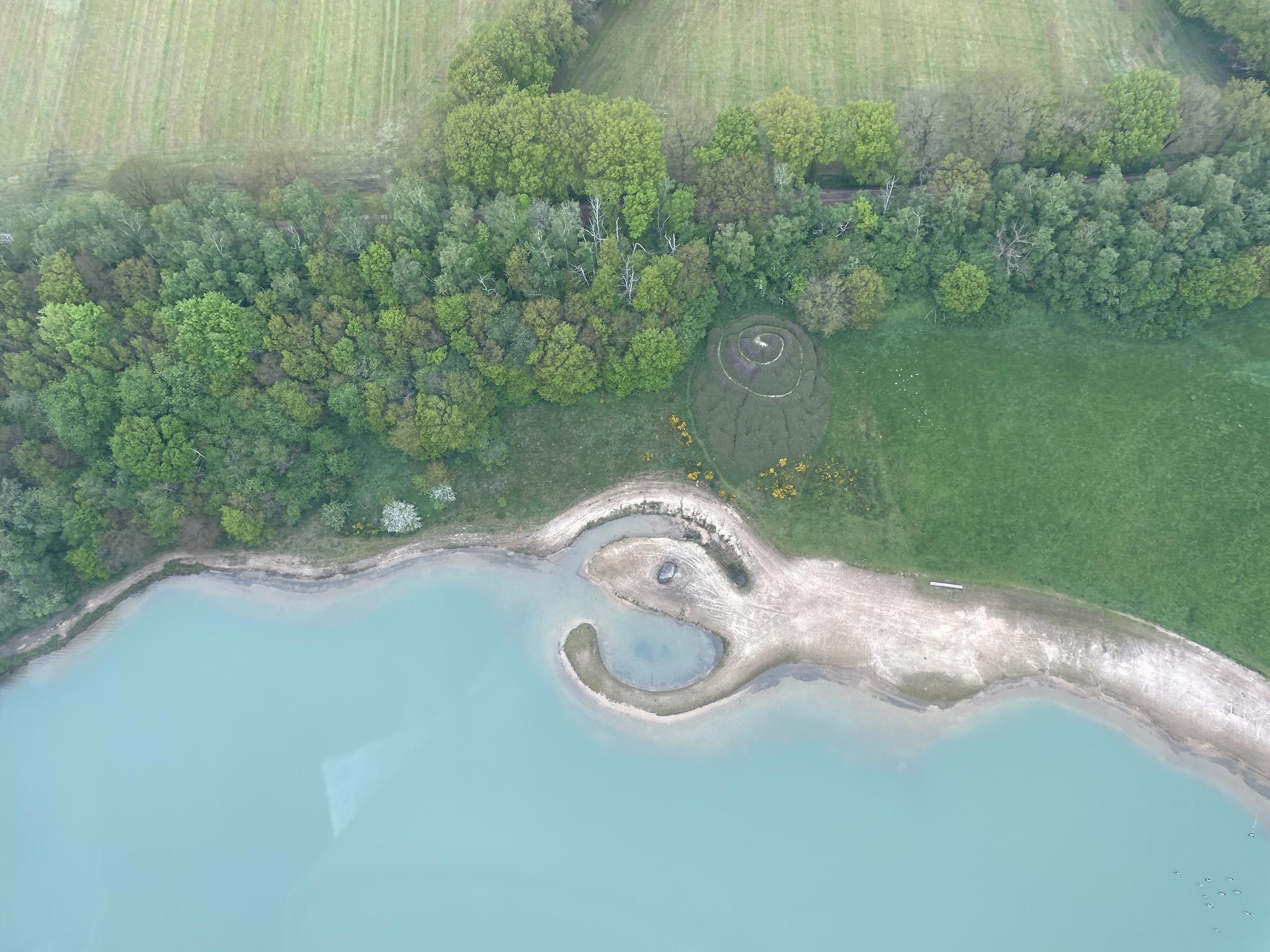
A view of Broken Circle/Spiral Hill in 2021.
Robert Smithson, Broken Circle/Spiral Hill (1971)
Emmen, The Netherlands
Broken Circle
Water, sand, and boulder
Diameter: 140 ft. (42.6 m); canal: 12 ft. (3.6 m) wide, 10-15 ft. (3-4.5 m) deep
Spiral Hill
Earth, topsoil, sand
Diameter: 75 ft. (22.9 m) at base
Photograph: Roelie Lubbers / Land Art Contemporary, 2021
© Holt/Smithson Foundation / Licensed by Artists Rights Society, New York
Broken Circle shortly after completion in 1971.
Robert Smithson, Broken Circle (1971)
Emmen, The Netherlands
Water, sand, and boulder
Diameter: 140 ft. (42.6 m); canal: 12 ft. (3.6 m) wide, 10-15 ft. (3-4.5 m) deep
Photograph: Robert Smithson
© Holt/Smithson Foundation / Licensed by Artists Rights Society, New York
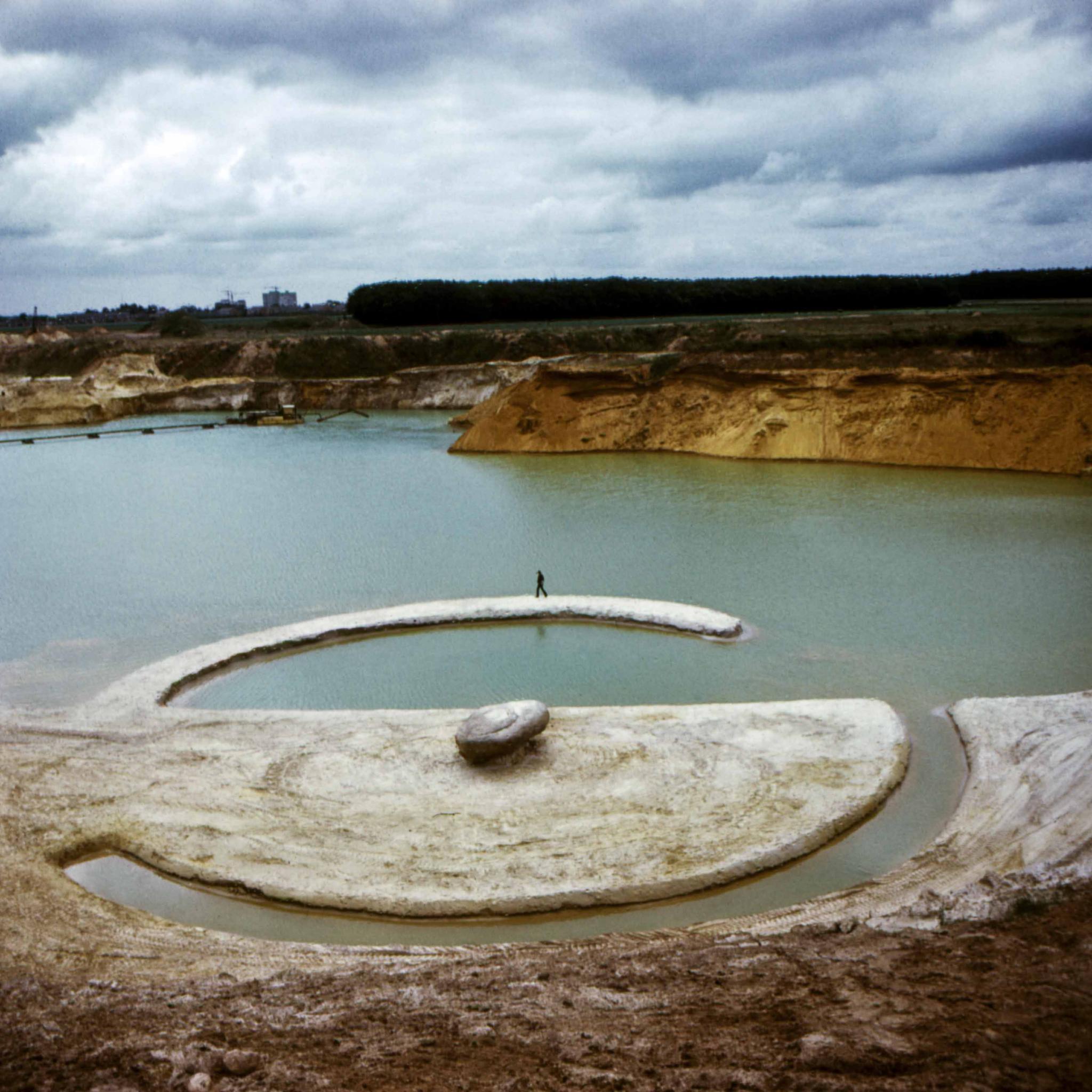
Broken Circle shortly after completion in 1971.
Robert Smithson, Broken Circle (1971)
Emmen, The Netherlands
Water, sand, and boulder
Diameter: 140 ft. (42.6 m); canal: 12 ft. (3.6 m) wide, 10-15 ft. (3-4.5 m) deep
Photograph: Robert Smithson
© Holt/Smithson Foundation / Licensed by Artists Rights Society, New York
Spiral Hill shortly after completion in 1971.
Robert Smithson, Spiral Hill (1971)
Emmen, The Netherlands
Earth, topsoil, sand
Diameter: 75 ft. (22.9 m) at base
Photograph: Robert Smithson
© Holt/Smithson Foundation / Licensed by Artists Rights Society, New York
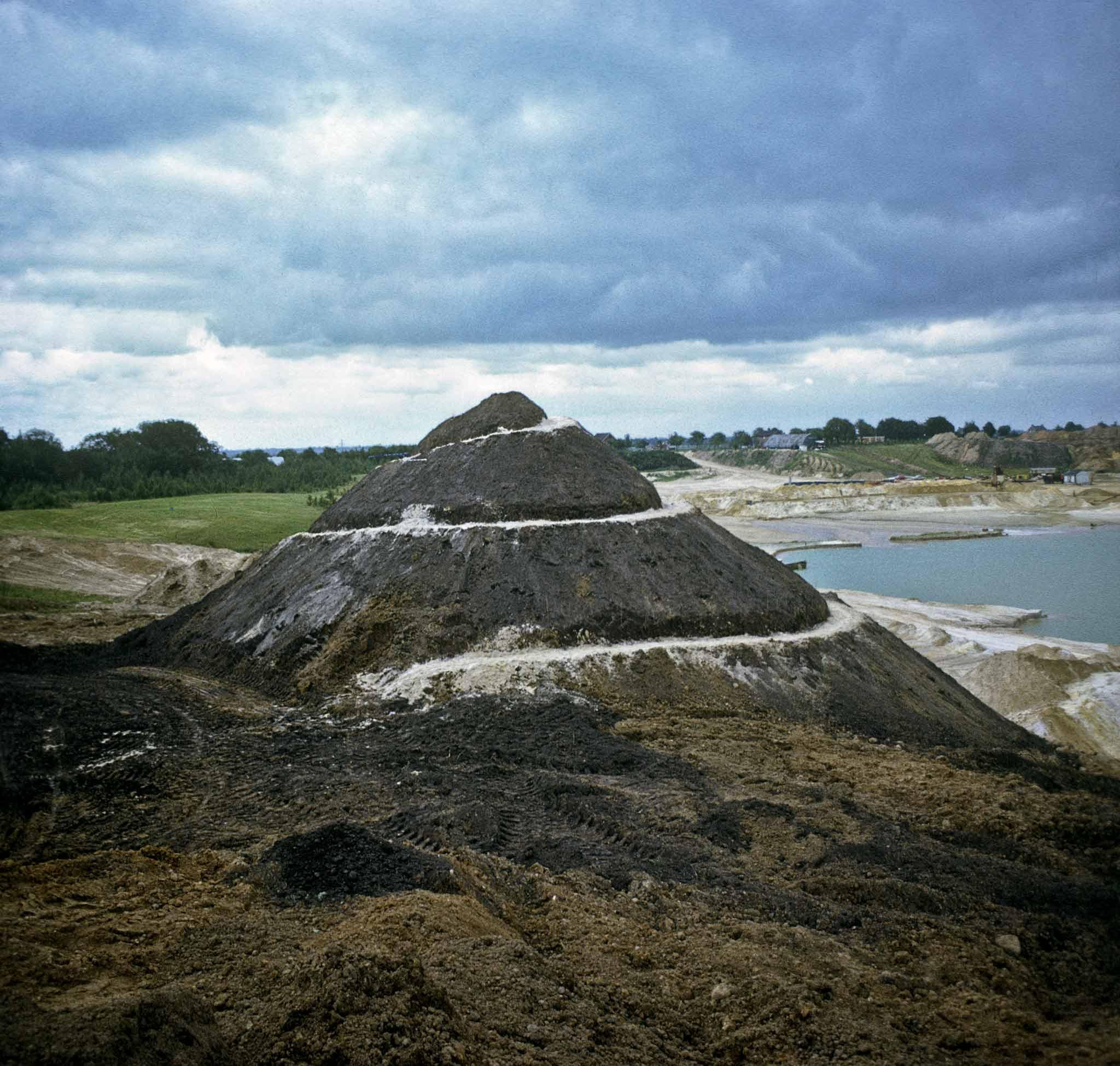
Spiral Hill shortly after completion in 1971.
Robert Smithson, Spiral Hill (1971)
Emmen, The Netherlands
Earth, topsoil, sand
Diameter: 75 ft. (22.9 m) at base
Photograph: Robert Smithson
© Holt/Smithson Foundation / Licensed by Artists Rights Society, New York
Broken Circle during construction, 1971.
Robert Smithson, Broken Circle (1971)
Emmen, The Netherlands
Water, sand, and boulder
Diameter: 140 ft. (42.6 m); canal: 12 ft. (3.6 m) wide, 10-15 ft. (3-4.5 m) deep
Photograph: Robert Smithson
© Holt/Smithson Foundation / Licensed by Artists Rights Society, New York
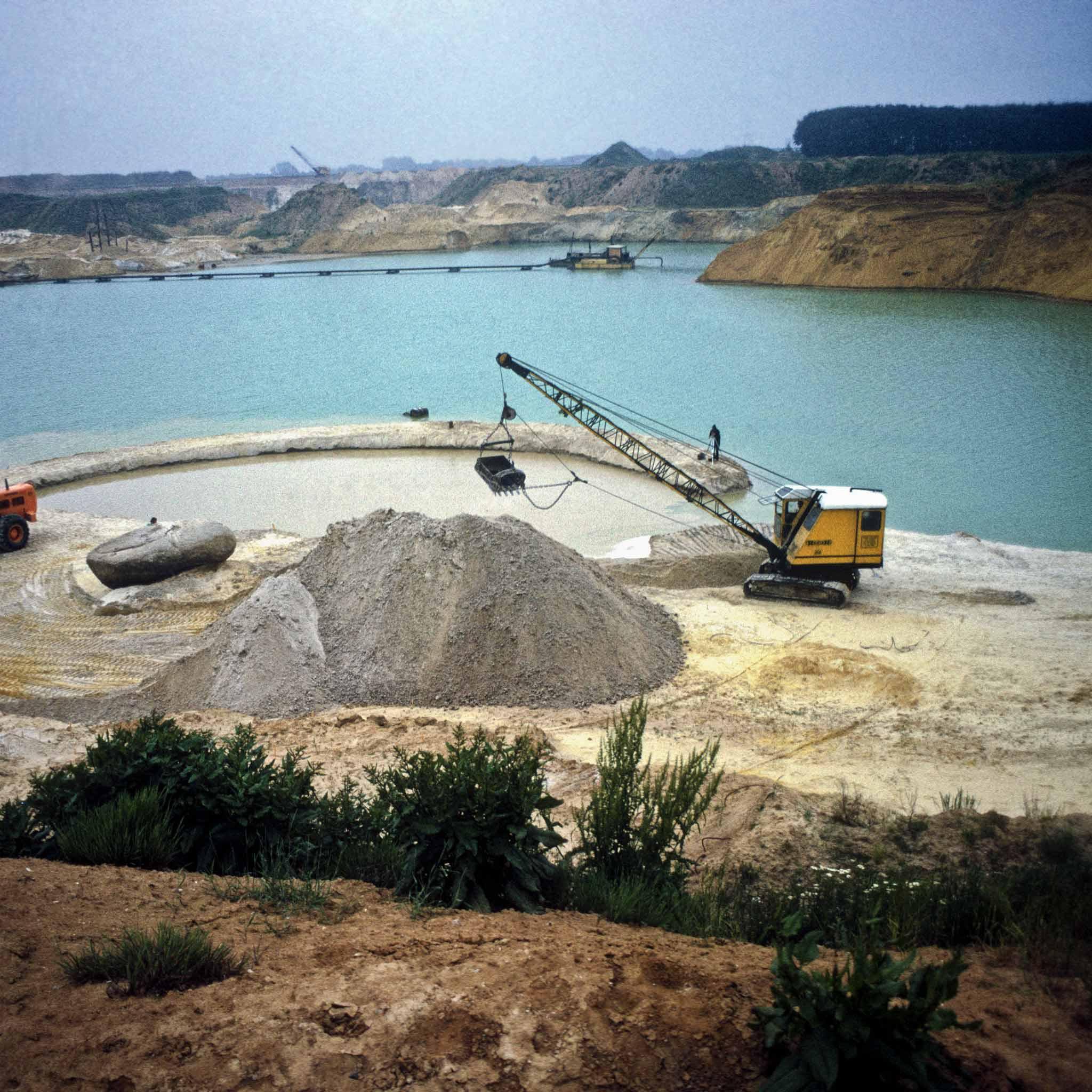
Broken Circle during construction, 1971.
Robert Smithson, Broken Circle (1971)
Emmen, The Netherlands
Water, sand, and boulder
Diameter: 140 ft. (42.6 m); canal: 12 ft. (3.6 m) wide, 10-15 ft. (3-4.5 m) deep
Photograph: Robert Smithson
© Holt/Smithson Foundation / Licensed by Artists Rights Society, New York
A video still from the film Breaking Ground: Broken Circle/Spiral Hill (1971-2011) showing Broken Circle under construction.
Still from Nancy Holt and Robert Smithson, Breaking Ground: Broken Circle/Spiral Hill (1971-2011)
Color, sound
Duration: 20:45 min
Film footage: Nancy Holt (1971), Benito Strangio (2011)
Photograph: Nancy Holt
© Holt/Smithson Foundation / Licensed by Artists Rights Society, New York
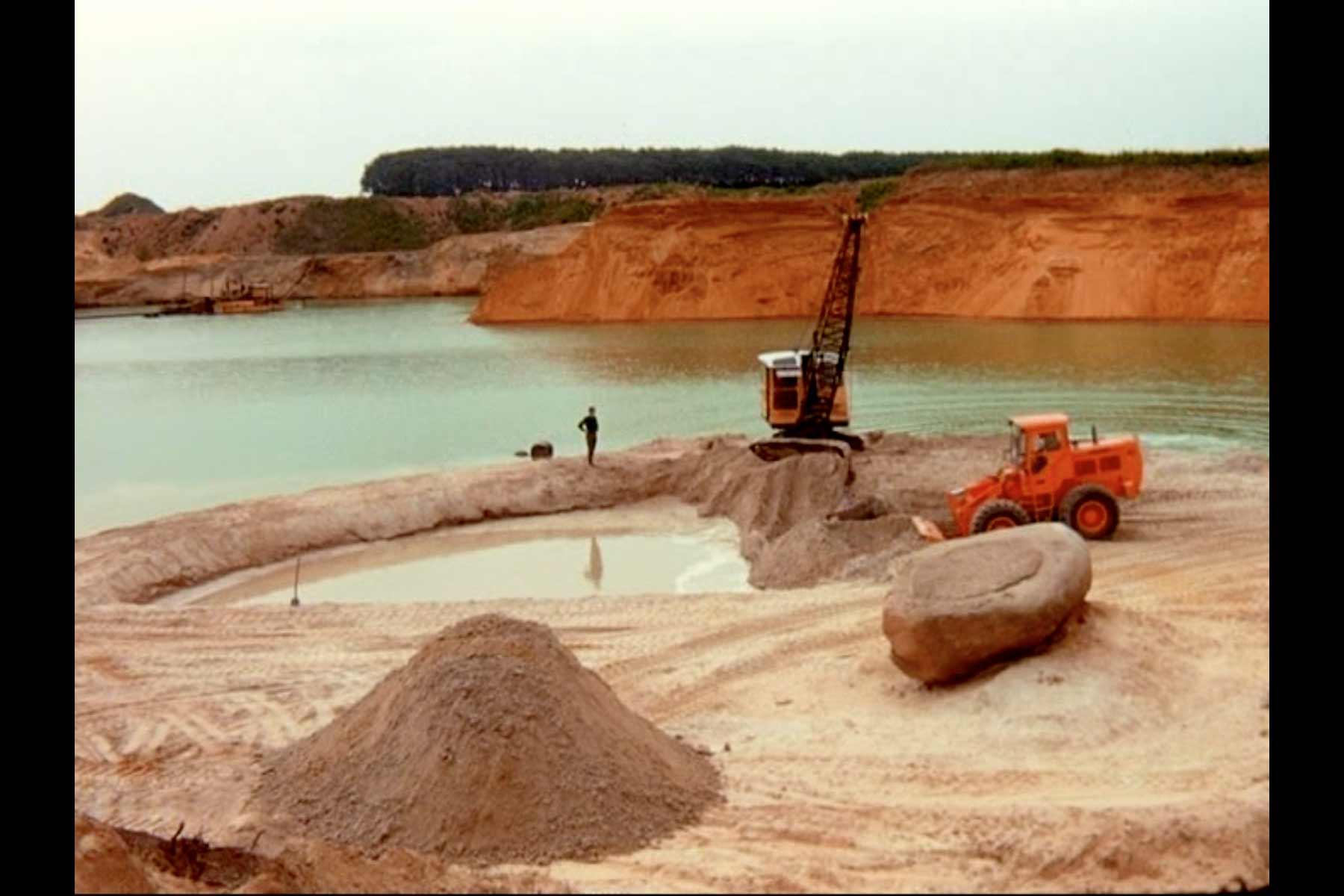
A video still from the film Breaking Ground: Broken Circle/Spiral Hill (1971-2011) showing Broken Circle under construction.
Still from Nancy Holt and Robert Smithson, Breaking Ground: Broken Circle/Spiral Hill (1971-2011)
Color, sound
Duration: 20:45 min
Film footage: Nancy Holt (1971), Benito Strangio (2011)
Photograph: Nancy Holt
© Holt/Smithson Foundation / Licensed by Artists Rights Society, New York
A video still from the film Breaking Ground: Broken Circle/Spiral Hill (1971-2011) .
Still from Nancy Holt and Robert Smithson, Breaking Ground: Broken Circle/Spiral Hill (1971-2011)
Color, sound
Duration: 20:45 min
Film footage: Nancy Holt (1971), Benito Strangio (2011)
Photograph: Benito Strangio
© Holt/Smithson Foundation / Licensed by Artists Rights Society, New York
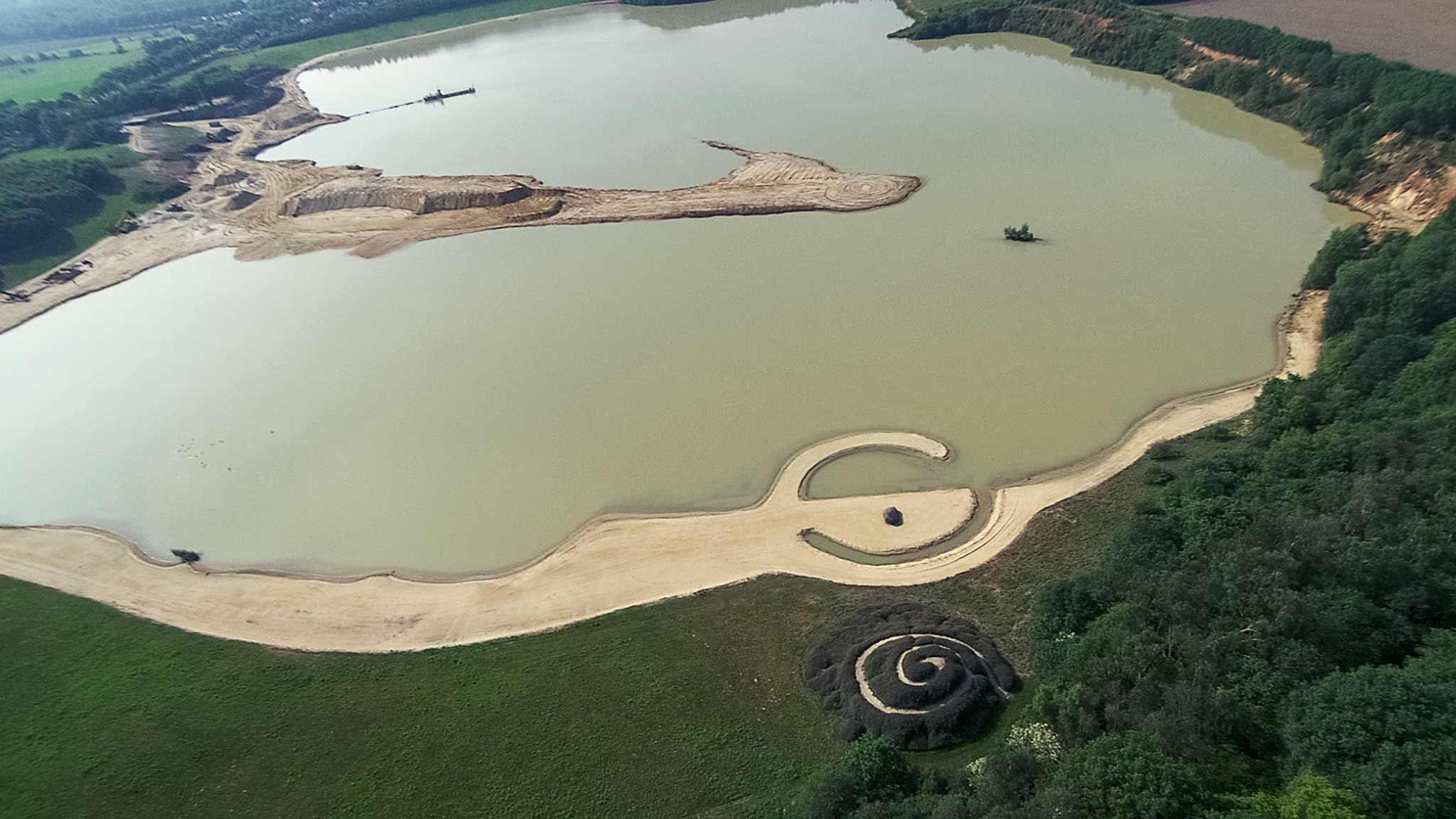
A video still from the film Breaking Ground: Broken Circle/Spiral Hill (1971-2011) .
Still from Nancy Holt and Robert Smithson, Breaking Ground: Broken Circle/Spiral Hill (1971-2011)
Color, sound
Duration: 20:45 min
Film footage: Nancy Holt (1971), Benito Strangio (2011)
Photograph: Benito Strangio
© Holt/Smithson Foundation / Licensed by Artists Rights Society, New York
A photograph of Spiral Hill in 2011.
Robert Smithson, Spiral Hill (1971)
Emmen, The Netherlands
Earth, topsoil, sand
Diameter: 75 ft. (22.9 m) at base
© Holt/Smithson Foundation / Licensed by Artists Rights Society, New York
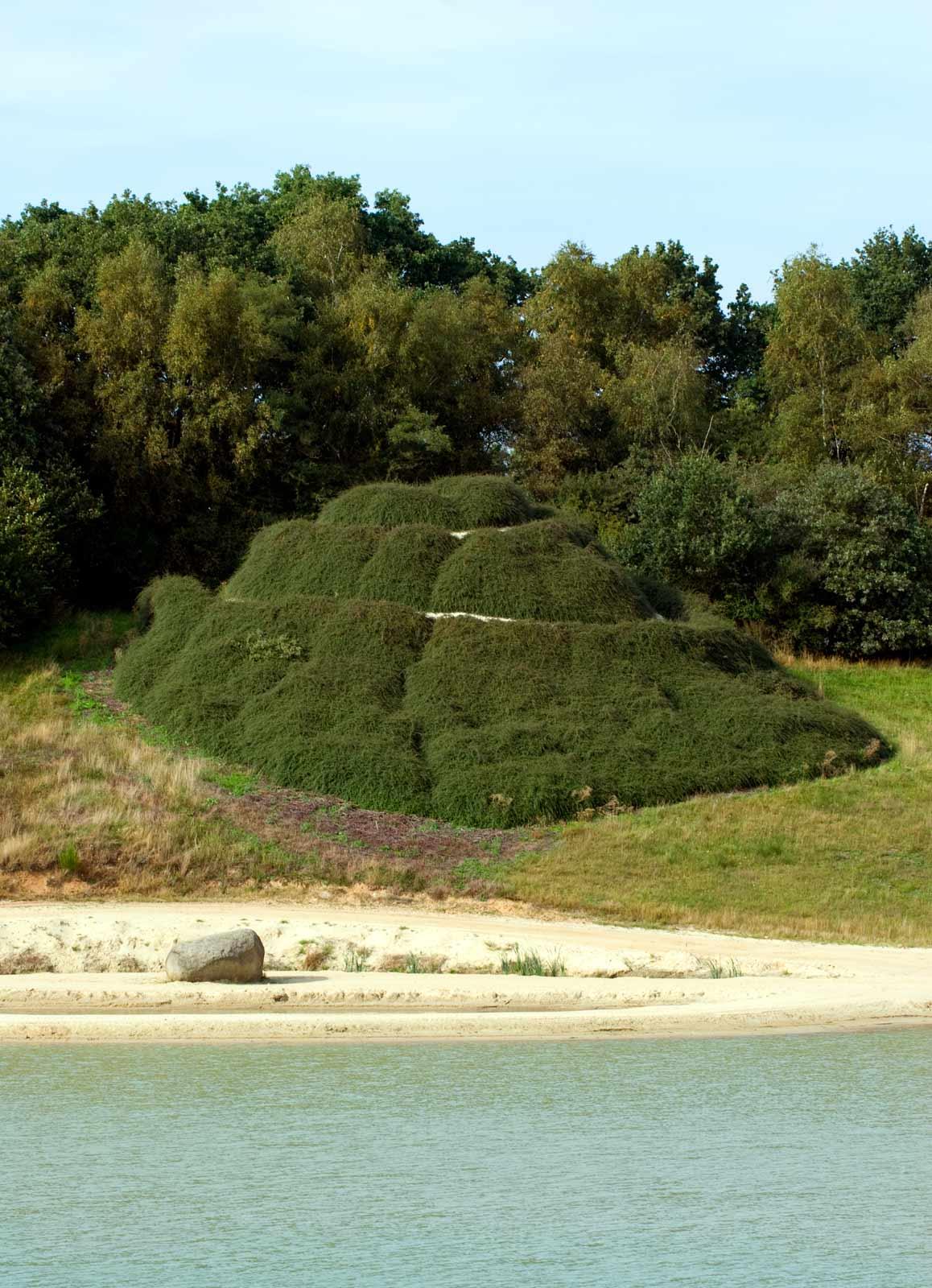
A photograph of Spiral Hill in 2011.
Robert Smithson, Spiral Hill (1971)
Emmen, The Netherlands
Earth, topsoil, sand
Diameter: 75 ft. (22.9 m) at base
© Holt/Smithson Foundation / Licensed by Artists Rights Society, New York
A winter photograph of Broken Circle/Spiral Hill, ca. 1980
Robert Smithson, Broken Circle/Spiral Hill (1971)
Emmen, The Netherlands
Photograph: Gerard de Boer
© Holt/Smithson Foundation / Licensed by Artists Rights Society, New York
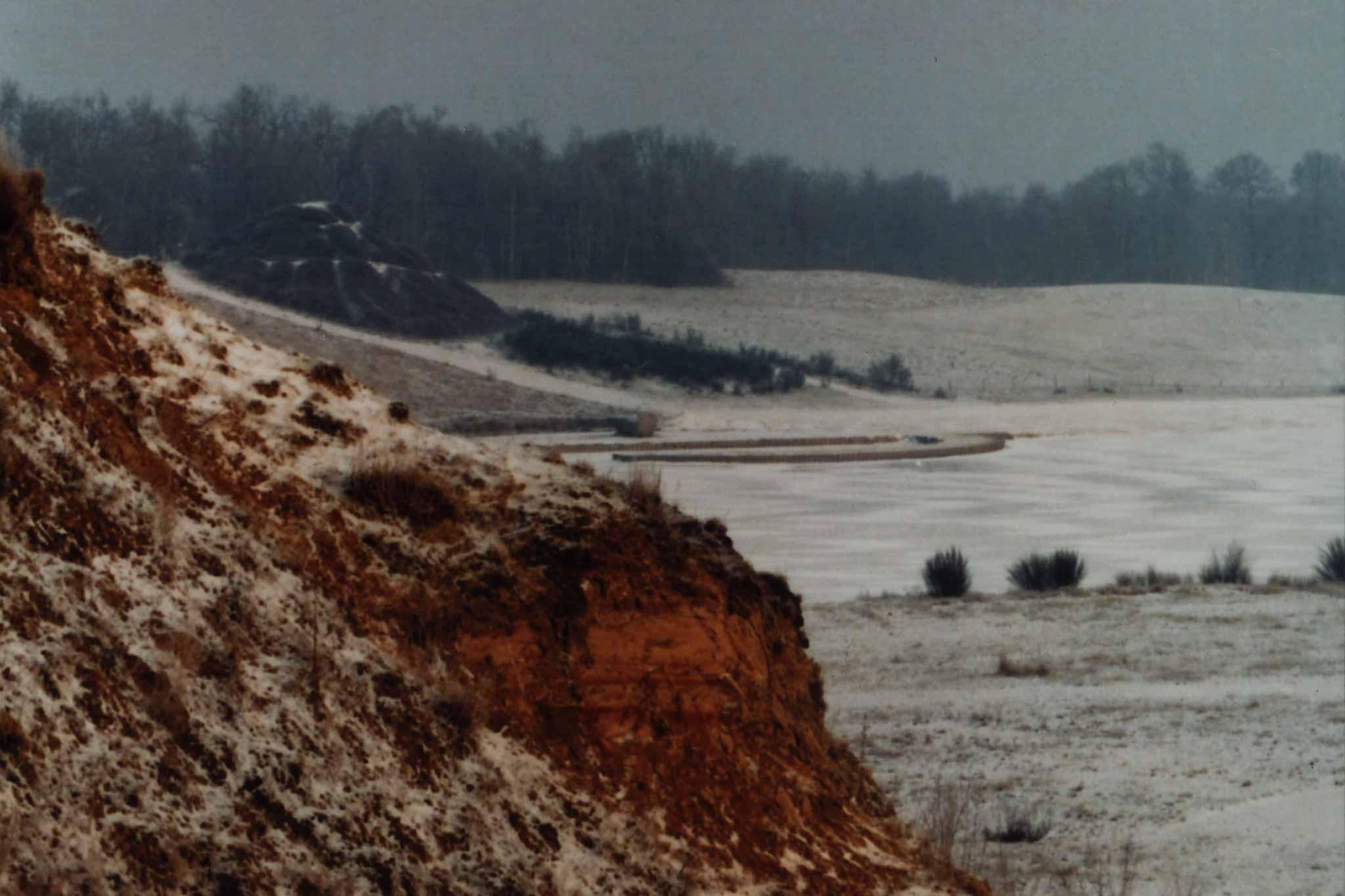
A winter photograph of Broken Circle/Spiral Hill, ca. 1980
Robert Smithson, Broken Circle/Spiral Hill (1971)
Emmen, The Netherlands
Photograph: Gerard de Boer
© Holt/Smithson Foundation / Licensed by Artists Rights Society, New York
A view of Broken Circle, ca. 1980.
Robert Smithson, Broken Circle (1971)
Emmen, The Netherlands
Photograph: Yuan Bourdon
© Holt/Smithson Foundation / Licensed by Artists Rights Society, New York
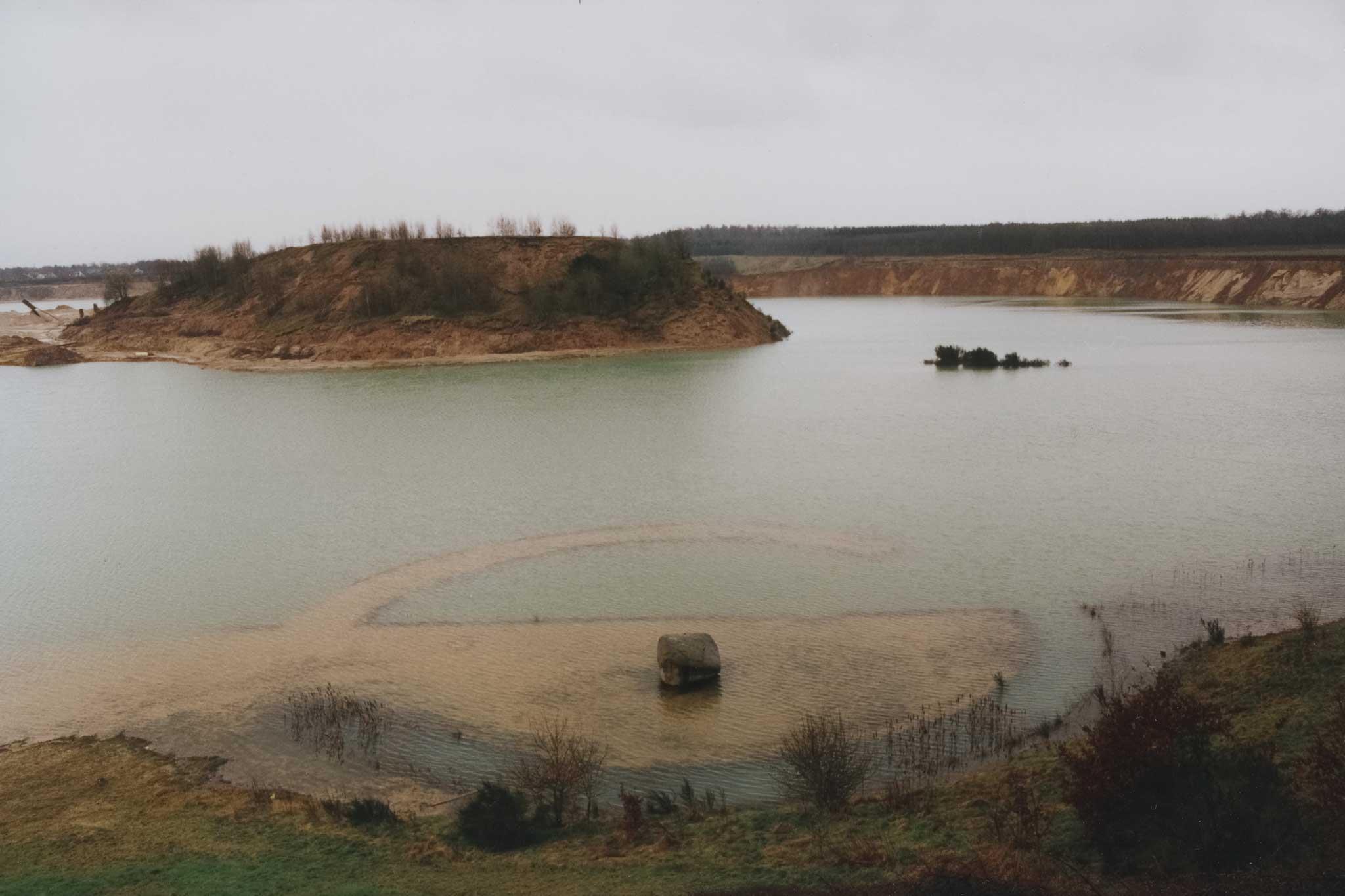
A view of Broken Circle, ca. 1980.
Robert Smithson, Broken Circle (1971)
Emmen, The Netherlands
Photograph: Yuan Bourdon
© Holt/Smithson Foundation / Licensed by Artists Rights Society, New York
A view of Broken Circle/Spiral Hill in 2025.
Robert Smithson, Broken Circle/Spiral Hill (1971)
Emmen, The Netherlands
Broken Circle
Water, sand, and boulder
Diameter: 140 ft. (42.6 m); canal: 12 ft. (3.6 m) wide, 10-15 ft. (3-4.5 m) deep
Spiral Hill
Earth, topsoil, sand
Diameter: 75 ft. (22.9 m) at base
Photograph: Mark Rammers, 2025
© Holt/Smithson Foundation / Licensed by Artists Rights Society, New York
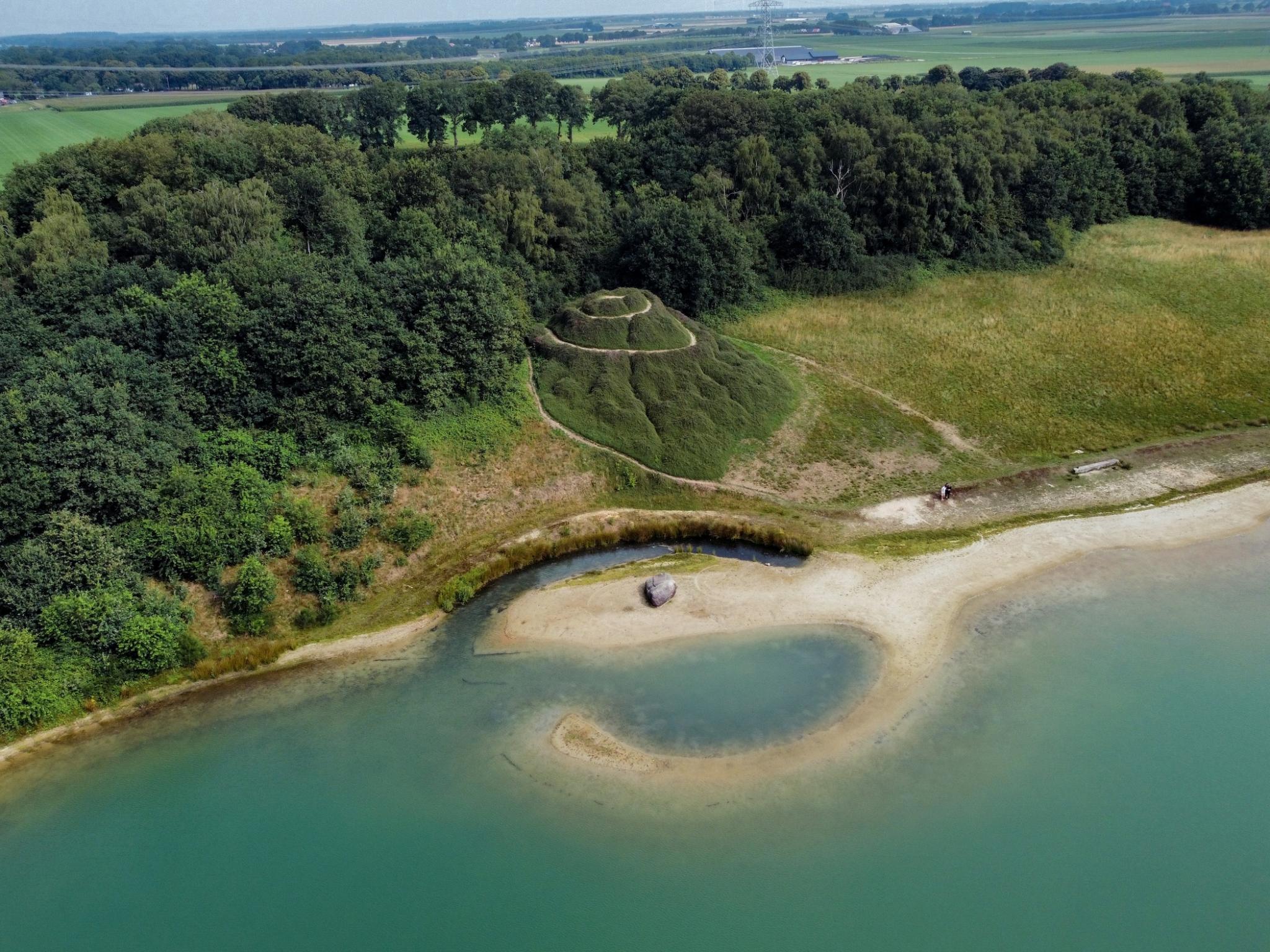
A view of Broken Circle/Spiral Hill in 2025.
Robert Smithson, Broken Circle/Spiral Hill (1971)
Emmen, The Netherlands
Broken Circle
Water, sand, and boulder
Diameter: 140 ft. (42.6 m); canal: 12 ft. (3.6 m) wide, 10-15 ft. (3-4.5 m) deep
Spiral Hill
Earth, topsoil, sand
Diameter: 75 ft. (22.9 m) at base
Photograph: Mark Rammers, 2025
© Holt/Smithson Foundation / Licensed by Artists Rights Society, New York
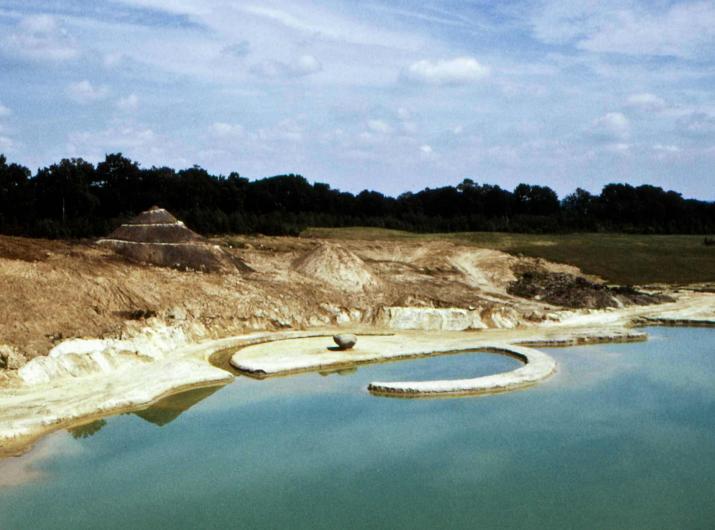
In a sand quarry in the Northeastern Netherlands, Smithson has carved into the shoreline, flooding the resulting dikes to form an interlocking canal and jetty. At the sculpture’s center lies a single glacial boulder, while the hillside above features a winding spiral path—a manifestation of Smithson’s fascination with spirals and their elusive promise of a final destination. The work iterates the irreversible impact of industry—the land can never go back to what it was before—yet its hypnotizing beauty calls for a reevaluation of the relationship between nature and construction.
Broken Circle/Spiral Hill was created in 1971 especially for the now legendary Sonsbeek Buiten de Perken exhibition in an active sand quarry just outside Emmen and it is Smithson's only earthwork outside of the United States. It is an artwork of two parts. Broken Circle is a semi-circular jetty built into the quarry lake, filled with reflecting green water. Spiral Hill rises into a cone-shaped hill beside the lake. A spiraling path leads to the top, from where the quarry and Broken Circle can be seen from above. At the center is an immovable huge boulder deposited by the ancient glacial movements.
We work closely with Land Art Contemporary on securing a sustainable future for the artwork, which sits on private land, and in 2025 the Province of Drenthe designated the artwork as a provincial monument. In 2026 a series of bus excursions to visit Broken Circle/Spiral Hill (1971) have been organized: learn more and get tickets to visit here.
“This is a major work, I want to have good reproductions in magazines. I want the piece to remain forever. Please help!”
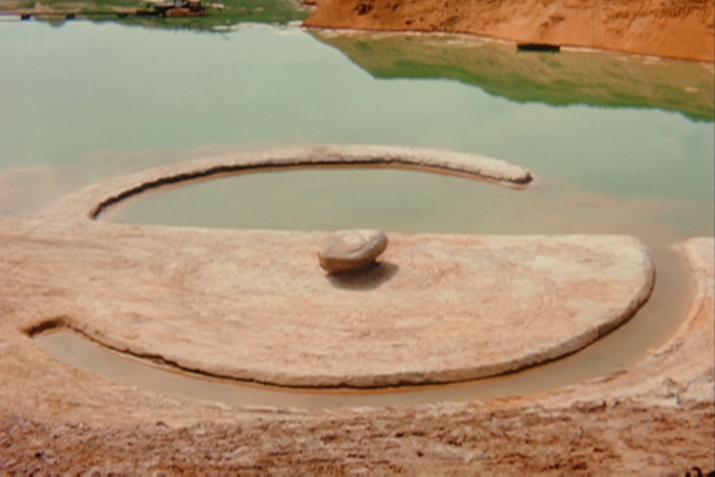
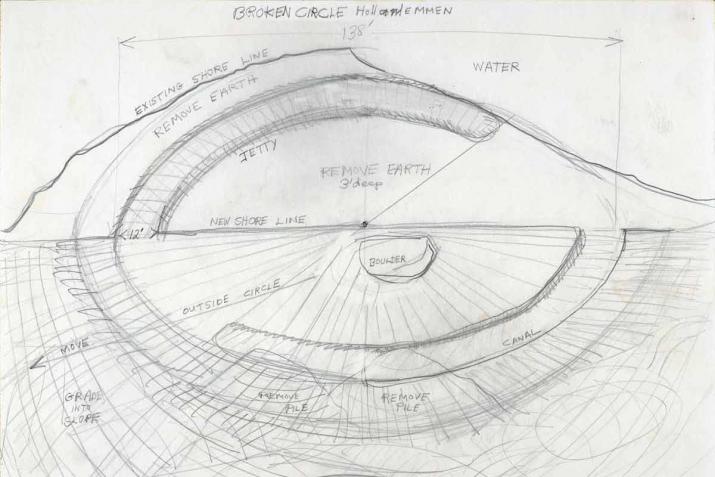
Even with its minimal notes and measurements, this preliminary sketch foretells the audacious undertaking of Broken Circle/Spiral Hill. Located in a sand quarry in remote northeastern Netherlands, Broken Circle/Spiral Hill required considerable excavation and a reconstruction of the existing shoreline. Smithson revered the remote, often selecting mundane, forgotten places as the canvas for lofty visions. In the drawing, the necessary implementation of heavy machinery contrasts the surreal stillness of Smithson’s design.
In 1971 Robert Smithson was invited to create an earthwork in the Netherlands for the recurring outdoor exhibition Sonsbeek by the curator Wim Beeren. Beside a working sand quarry in the province of Drenthe and cut into the side of a terminal moraine, Smithson created Broken Circle/Spiral Hill—his only extant earthwork outside of the United States. Broken Circle/Spiral Hill is an artwork of two parts. Broken Circle is a semi-circular jetty built into the quarry lake; at the center is a huge immovable boulder deposited by ancient glacial movements. Cone-shaped Spiral Hill can be climbed via spiraling path and at the top the quarry and Broken Circle can be seen from above.