Plexiglass, machine parts, steel, and mirrors on wood
18 x 26 x 1 in. (45.7 x 66 x 2.5 cm)
Collection Holt/Smithson Foundation
© Holt/Smithson Foundation / Licensed by Artists Rights Society, New York
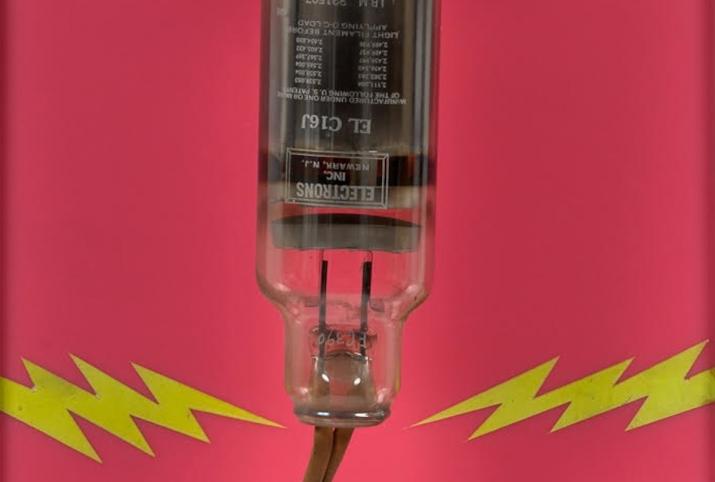
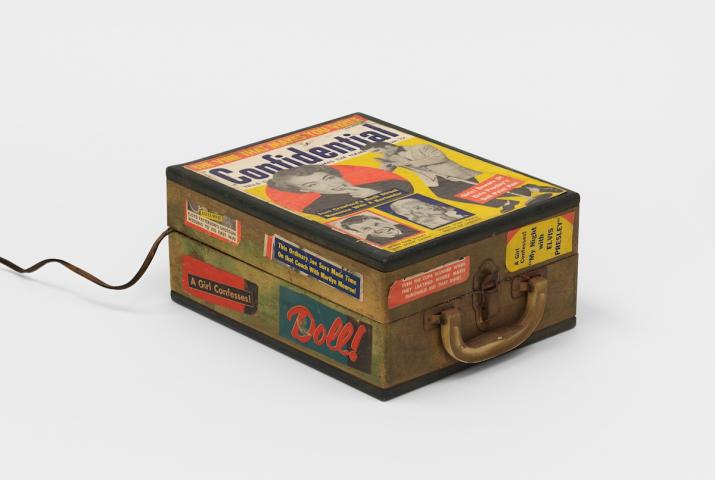
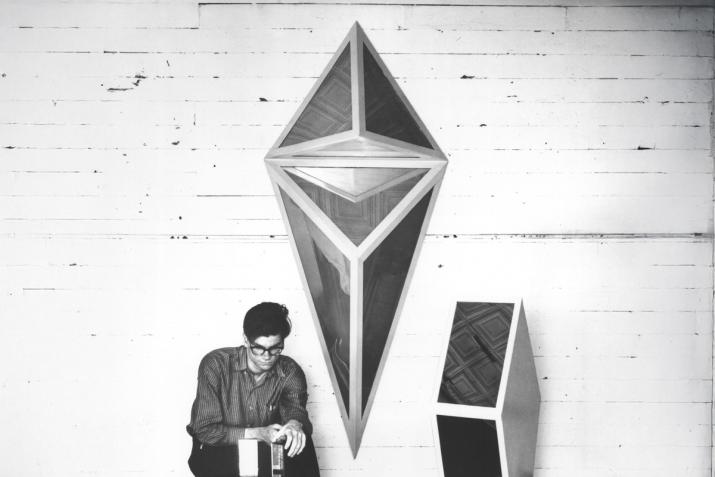
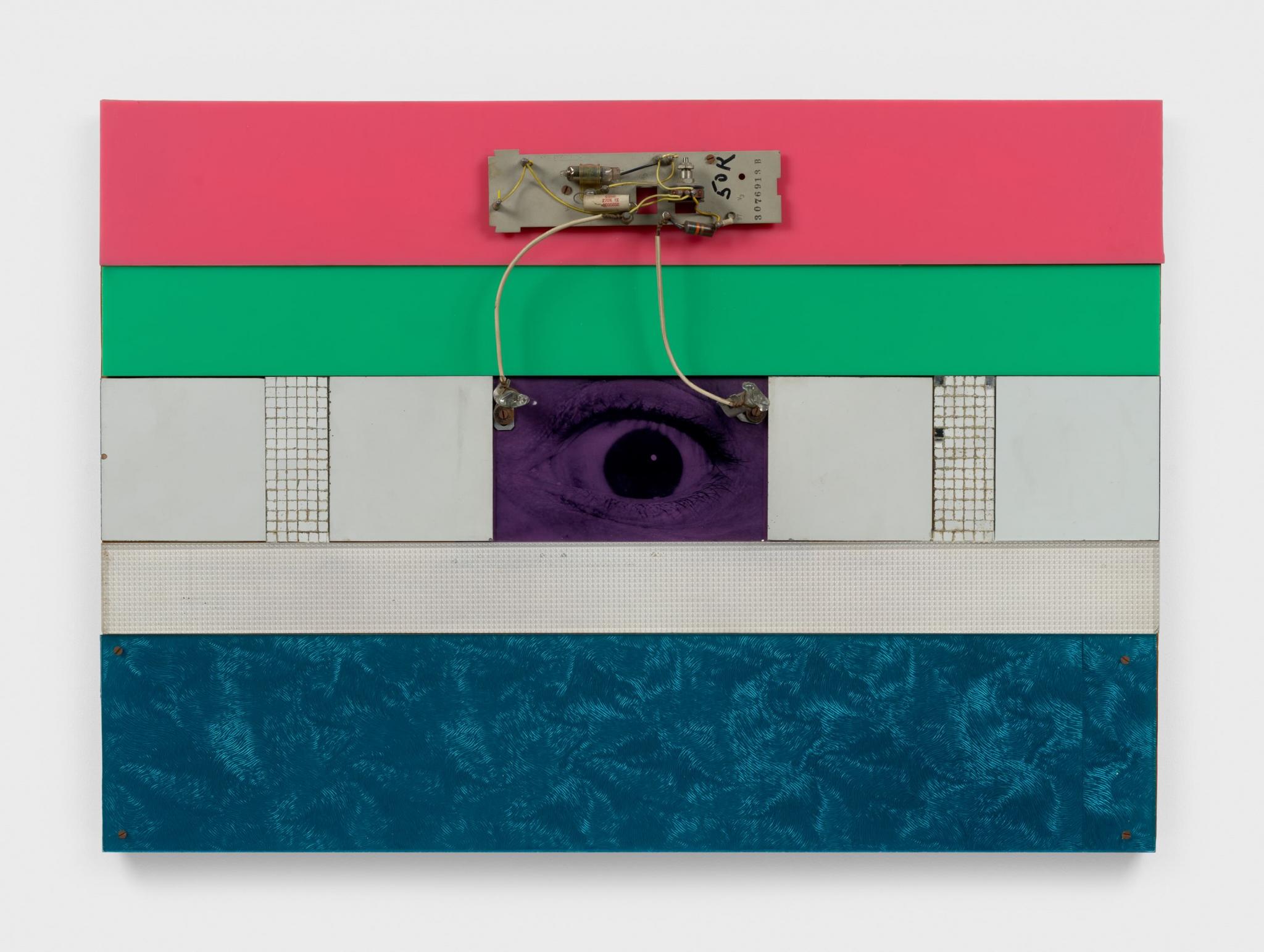
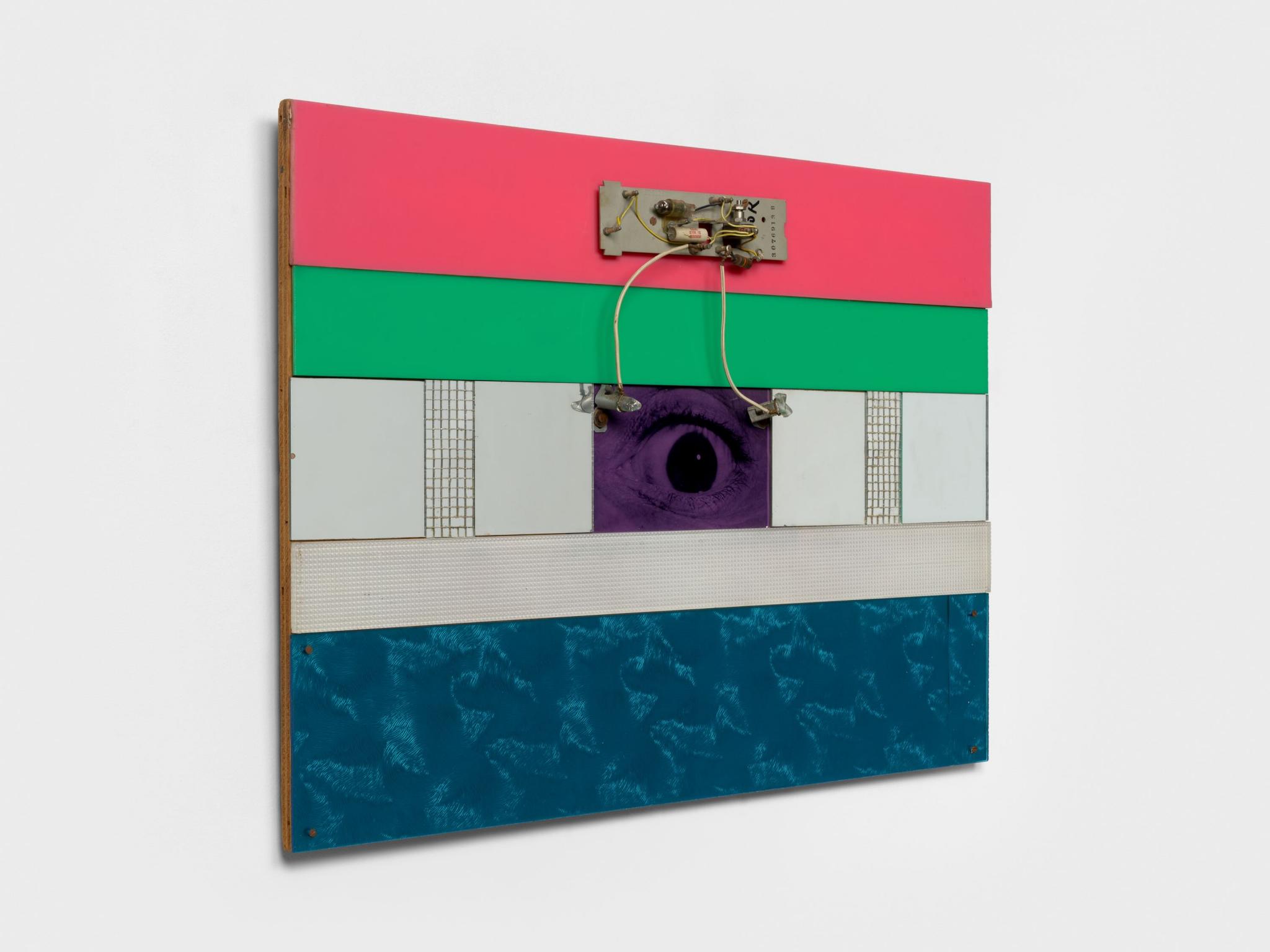
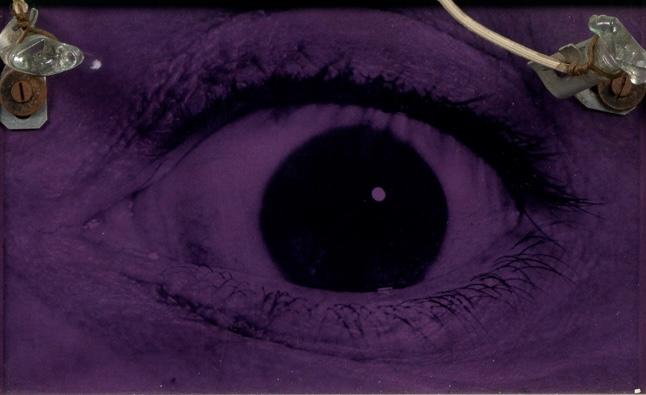
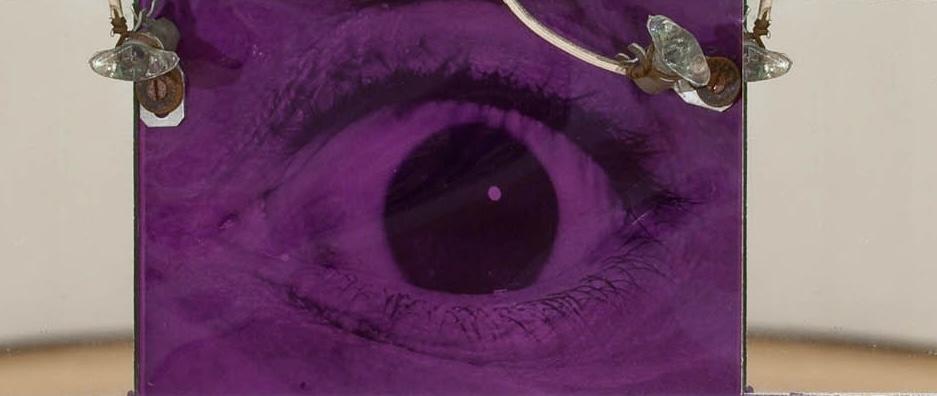
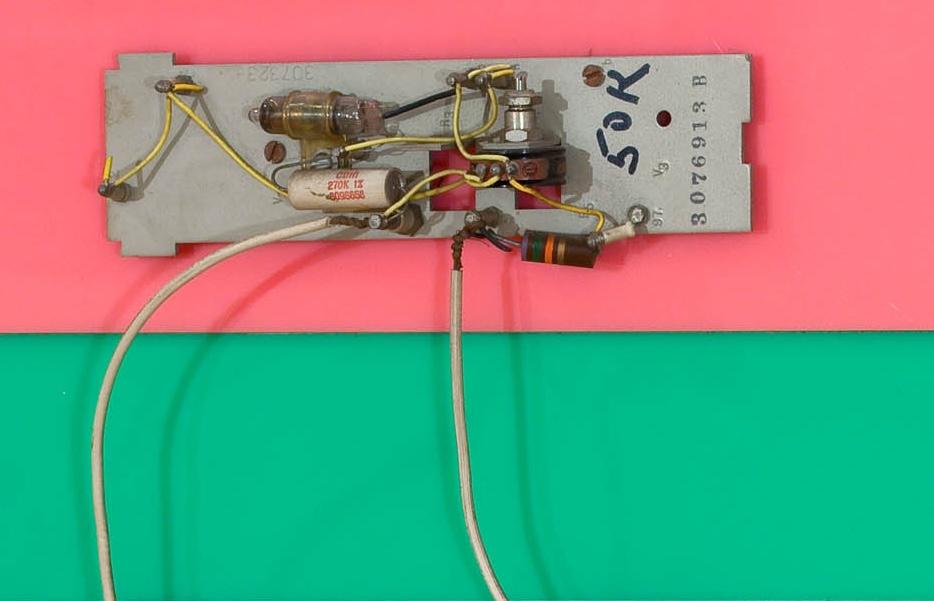
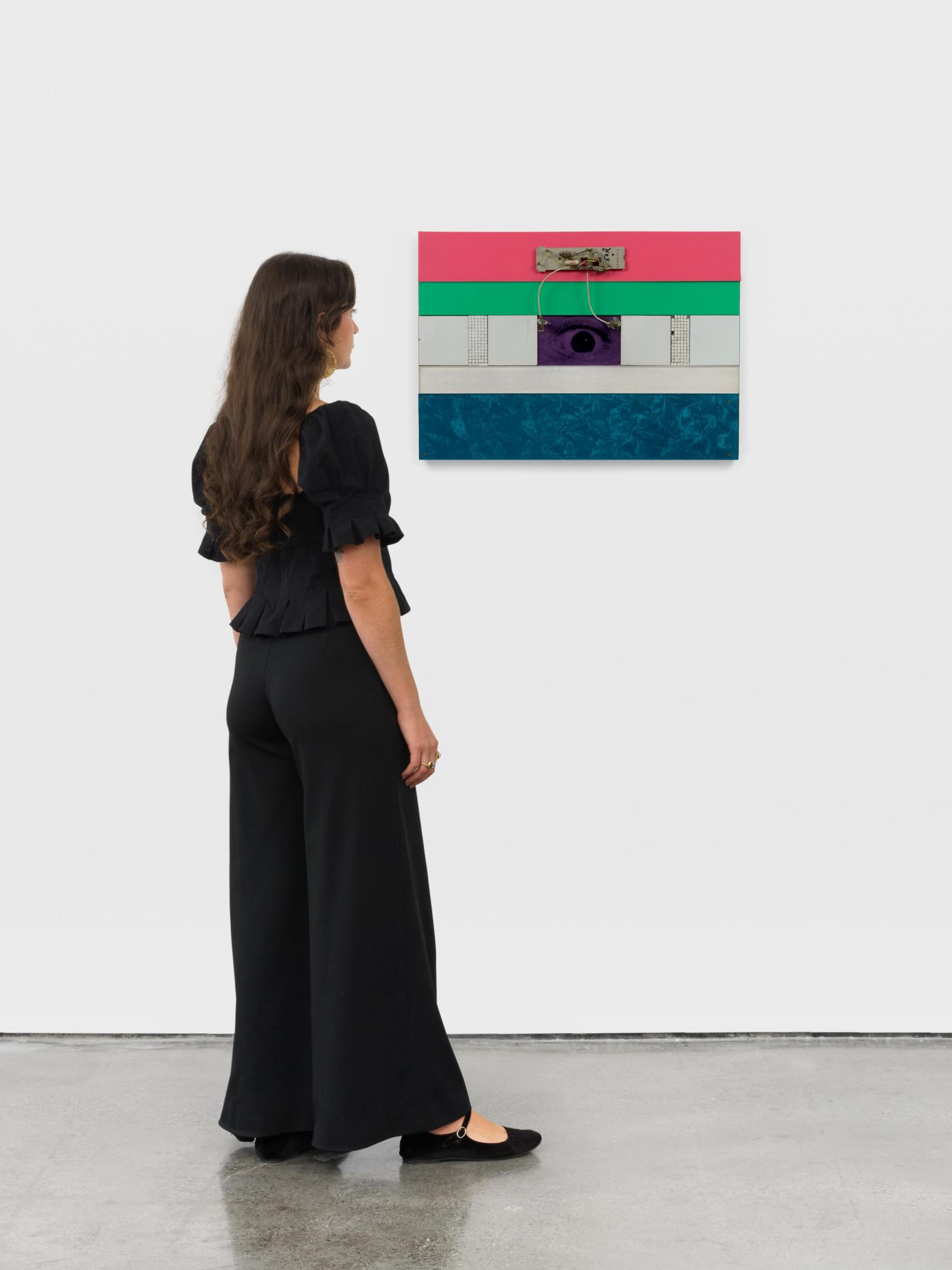
In Radio Cyclops (1964), Robert Smithson places a wide-open eye at the center, linked via a circuit to a hot pink band of color. Looking at the sculpture, one sees one’s own eyes looking back, reflected and multiplied in its mirrored surfaces. Made at a time when Smithson was experimenting with plastics and developing sculptural ideas from his collages, this wall-based sculpture incorporates Plexiglass, polished blue steel, and mirrors on a wooden support.
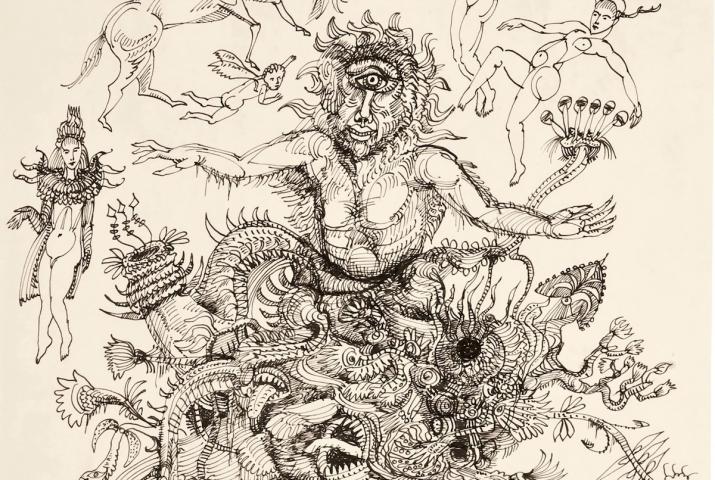
The figure of the Cyclops first appears in Smithson’s work in a 1961 drawing on paper. A decade later, he returned to the motif in his essay “Art Through the Camera’s Eye” (1971), imagining a horror film set in a camera store and based on the Cyclops myth, with the camera clerk cast as Ulysses. “A camera’s eye,” Smithson writes, “alludes to many abysses.”